







When a hotel break bundles dinner, breakfast or a room extra, the useful question is what the package really commits to – and what still depends on your dates.
We reviewed the Ireland listings on Getaways and the details published on several package pages. The platform brings together stays across the country, but packages are not interchangeable: one includes an evening meal, another adds golf-related extras, and the room and date you select can change what is available.
This is a review of the published offer information rather than a report of a stay. We are looking at the shape of the choice, where Getaways is useful, and where a reader should slow down and verify the finer print.
Disclosure: this post includes affiliate links, and we may be paid a commission on purchases made through them.
The short version: Getaways is useful for comparing Irish hotel packages by location and inclusion, especially when you already know whether dinner, a spa element or a golf setting matters. The trade-off is that package terms are property-specific, so check the exact nights, meal details, room conditions and availability before deciding.
What does Getaways make easier to assess?
Getaways presents Irish hotel breaks in a searchable format, with listings organised around destination or property and individual package pages describing the advertised stay. That is a practical starting point if you are choosing between a city weekend and a slower rural escape; it lets you compare what is attached to the stay instead of searching hotel sites one by one.
Its clearest strength is the range of trip styles. The site surfaces dinner breaks, spa and leisure options, city stays, golf packages and family-friendly searches. You can narrow by town or hotel, then open a deal page to see its headline inclusions. On the listing, the package title is only a summary; the detail page is where meal timing, number of nights and other conditions become visible.
- Location-led browsing: search by county, town or hotel, useful when the destination is already fixed.
- Package-led browsing: browse spa, dining, golf or family themes when the experience matters more than the address.
- Date-led checking: select dates and room details to see whether a particular offer can be booked for your trip.

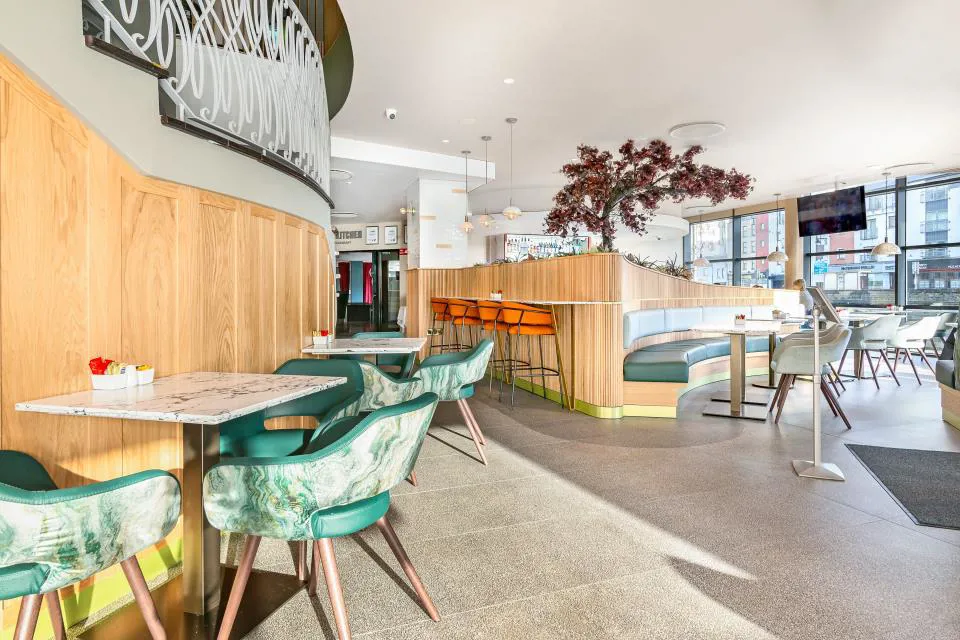
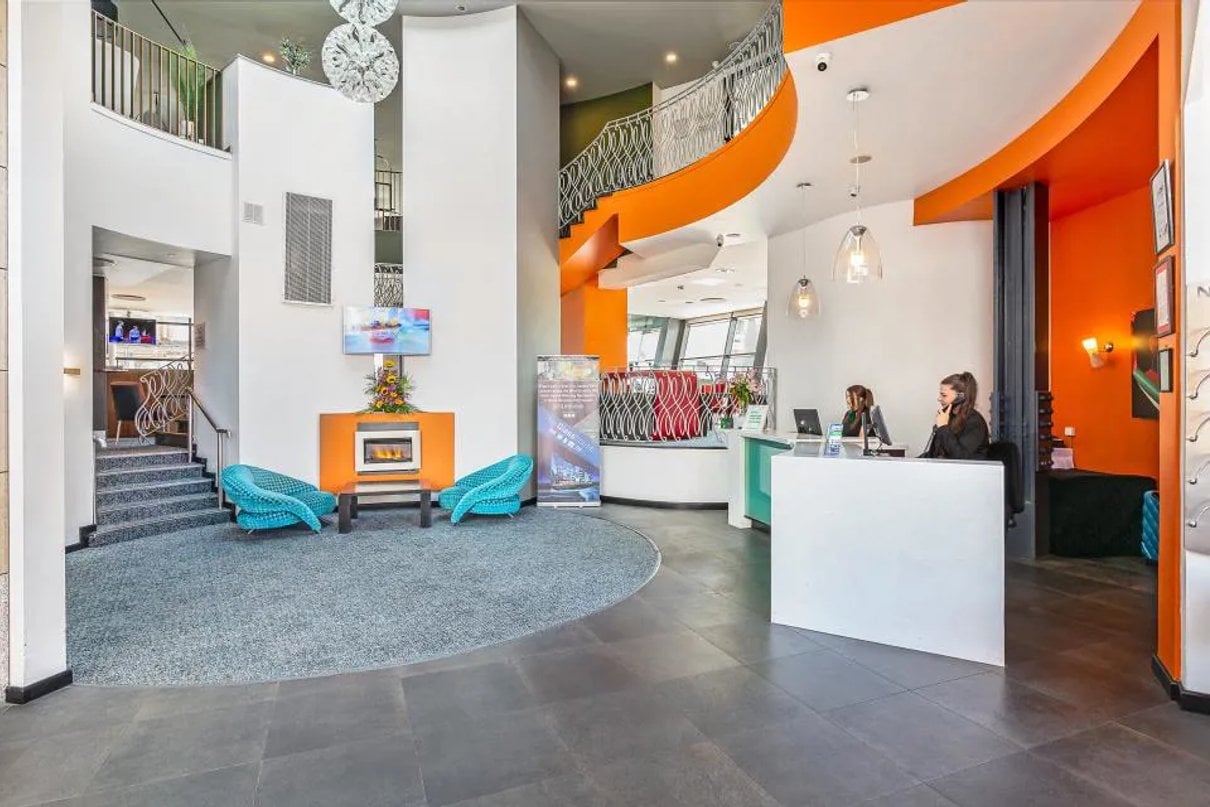
That structure helps with shortlisting, not with assuming every advertised extra is universal. For instance, the The Glasshouse Hotel listing is a two-night Sligo stay with breakfast each morning and a main-course dinner with a glass of wine on one evening. Its page also describes a central riverside location and lists facilities such as a restaurant, bar and fitness room. Those details give the offer substance, but they apply to that listed package and should not be generalised across Getaways.
Open the The Glasshouse Hotel package page to inspect the inclusions directly. A second route is the Tulfarris Hotel & Golf Resort escape, described with dinner, prosecco and golf-related discounts. The contrast is useful: the same site can offer a compact food-led city break and a leisure-oriented country stay.
Which package details change the decision?
The package examples show why the headline is not enough. Compare the Glasshouse package details with the Abbey Court offer if meal format is central to your choice; each listing describes its own version. A dinner inclusion may mean a particular meal rather than an open-ended dining credit, and the named extras may be tied to one stay length or offer. The Glasshouse listing specifies one main course and a glass of wine on one evening, served in the Café Bar, with a supplement noted for steak. That is a meaningful inclusion, but not the same as an unrestricted restaurant allowance.
Castleknock Hotel is presented as a Dublin-area two-night escape with dinner, an upgrade and chocolate. It may suit someone who values an added room touch and wants access to the capital, while the Tulfarris package will be more relevant to a traveller looking at Wicklow and golf. The Castleknock Hotel and Tulfarris Hotel & Golf Resort listings are worth reading as separate offers, not as interchangeable versions of one standard package.
- Night count: confirm whether the package is for one or two nights and whether the included meal applies on a particular evening.
- Meal scope: read the wording for course, venue, drinks and supplements rather than relying on “dinner” alone.
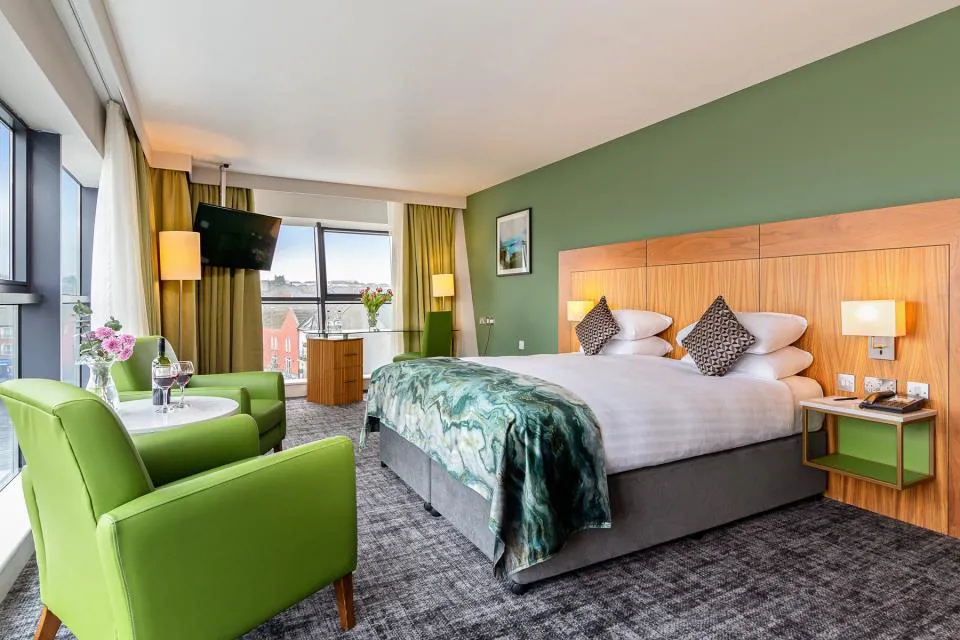
- Room details: check occupancy, room category and any upgrade language against the actual selection screen.
- Extras and facilities: distinguish an included credit or discount from access to a facility, and check whether booking is needed.
These checks are especially important when the listing uses broad shorthand. The Glasshouse offer details explain the dinner format more fully than its quick title, while the Castleknock package page is the place to establish the terms of its upgrade and arrival extra. A trip can still be a good match when one extra is limited; the key is knowing what you are comparing.
Where does the Getaways approach have limits?
The convenience comes with a clear limitation: when you compare the Castleknock package and Tulfarris escape, treat the stated extras as distinct offer terms, not a standard feature of the whole range. the site is an intermediary catalogue of property-specific deals, not a single hotel product with fixed terms. Availability is date-sensitive, and the precise offer may not appear for every room or date combination. A listing score or customer review count can add context, but it cannot answer whether a particular room, meal time or facility suits your plans.
We would also avoid treating promotional labels as a complete value calculation. The useful comparison is between the total stay you want and the inclusions you will genuinely use. A golf discount is relevant if golf is on your itinerary; it carries little weight if you will not play. A dinner package can reduce planning, but it may restrict choice to a stated meal or venue. Use the offer page to establish current terms, then check the final booking details before you commit.
For a dining-focused break in Tipperary, the Abbey Court Hotel & Leisure Club listing describes bed and breakfast, dinner for one night and an arrival treat. It can be a sensible comparison point for a shorter food-led stay, but readers should inspect the page for what the arrival treat means and which nights are available. Do not infer that leisure access, meal choices or room features are included unless the specific offer says so.
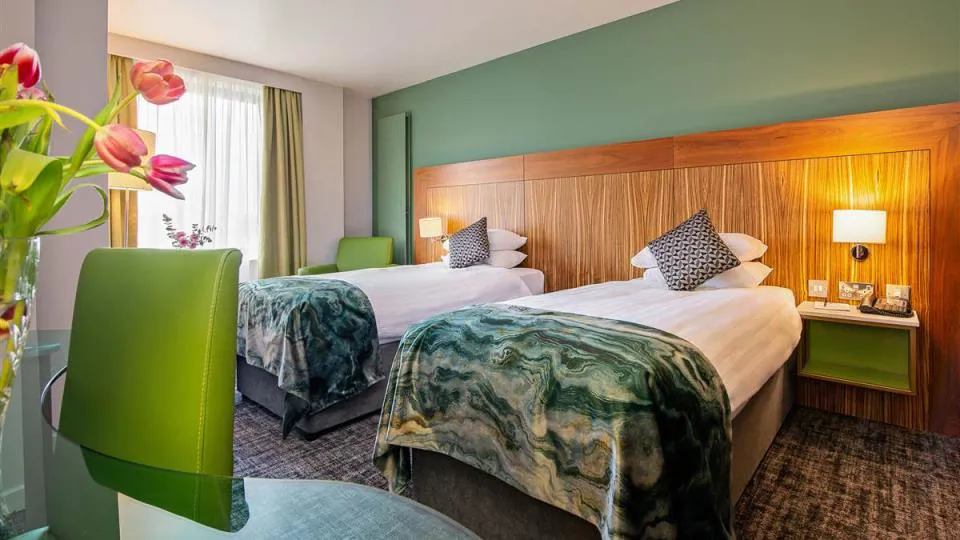
For readers who enjoy doing a little due diligence, this is manageable. Keep a short note of the offer name, dates, stay length and inclusions as you move between tabs. If a detail affects the trip – dietary needs, accessibility, late arrival or a planned treatment – confirm it with the hotel or Getaways support rather than relying on a general image or category label.
Who is likely to find Getaways useful?
Getaways suits planners with a reasonably clear trip brief. If you know the region and want a package with breakfast or dinner already attached, its location search and deal descriptions make a useful shortlist. It also works for travellers choosing between different styles of Irish break, because spa, golf, dining and city options are presented under one Ireland-focused site.
It is less compelling if you need one fixed inclusion across every option or want to compare every room configuration without opening individual listings. In that case, use Getaways for discovery and then verify the shortlist carefully. The broad range is an advantage at the browse stage; the variation between hotel offers means the final decision needs a closer read. Open the Abbey Court package information or the Castleknock listing for the detail that applies to your dates.
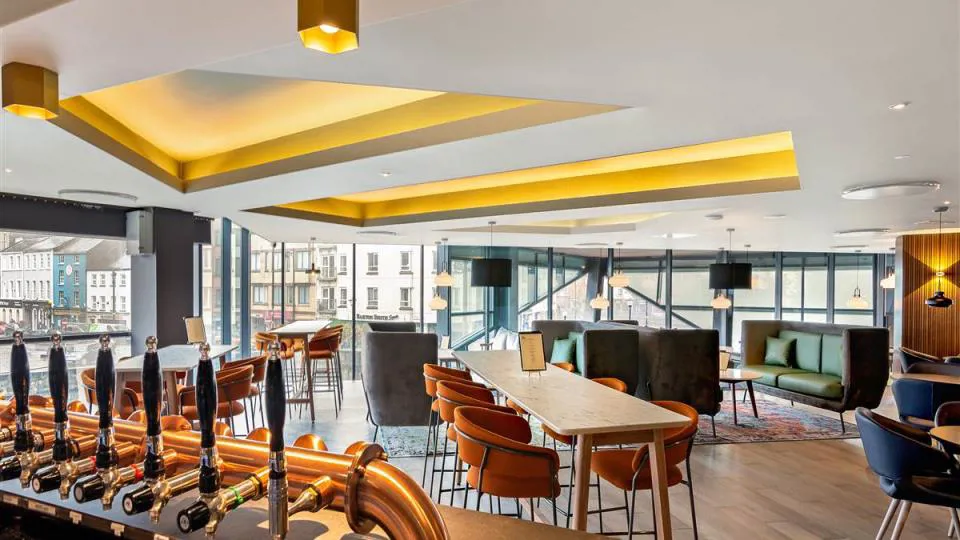
- Good fit: couples or friends comparing Irish weekend breaks with meal or leisure extras.
- Good fit: travellers who can be flexible on dates and want to browse by location or trip theme.
- Less suitable: anyone choosing primarily on a facility or special requirement that has not been confirmed for the selected date.
For an urban stay, the Sligo location and riverside setting described on the Glasshouse page are useful context alongside breakfast and dinner. For a more activity-oriented break, open Tulfarris and check how its golf-related extras fit your actual itinerary. These are concrete examples of how the platform can help translate a vague “weekend away” into different trip shapes.
Ready to shortlist an Irish hotel package?
Our recommendation is to use Getaways as a discovery and comparison tool when a bundled Irish stay sounds appealing, then judge each offer on its exact details. The Glasshouse listing is the clearest fit for readers who want a Sligo break with breakfast and a defined dinner inclusion; Tulfarris has a stronger leisure and golf angle, while Castleknock brings a Dublin-area option with different extras.
The limitation is simple: availability and terms vary by property and date, so the broad promise of a package is not a substitute for reading its full conditions. Compare the nights, meal scope, room selection and any facility details, and check the current price and availability in the booking flow before making plans.