






The Fantasy vs the Reality of Office-to-Evening Dressing
Every glossy magazine has run this story. Blazer on, blazer off, swap flats for heels, add a clutch – done. But the reality is messier, more specific, and honestly more interesting than that. Some outfits genuinely do survive the transition. Most don’t. And the difference comes down to a few very deliberate choices you make at 7am, not 6pm.
I’ve been doing this – or trying to – for about four years in offices that ranged from financial services (smart dress code, no exceptions) to a creative agency where showing up in a blazer felt like you were overcompensating. What I’ve learned is that the rules are different depending on where you work. But the core wardrobe logic holds almost everywhere.

The Pieces That Actually Do the Work
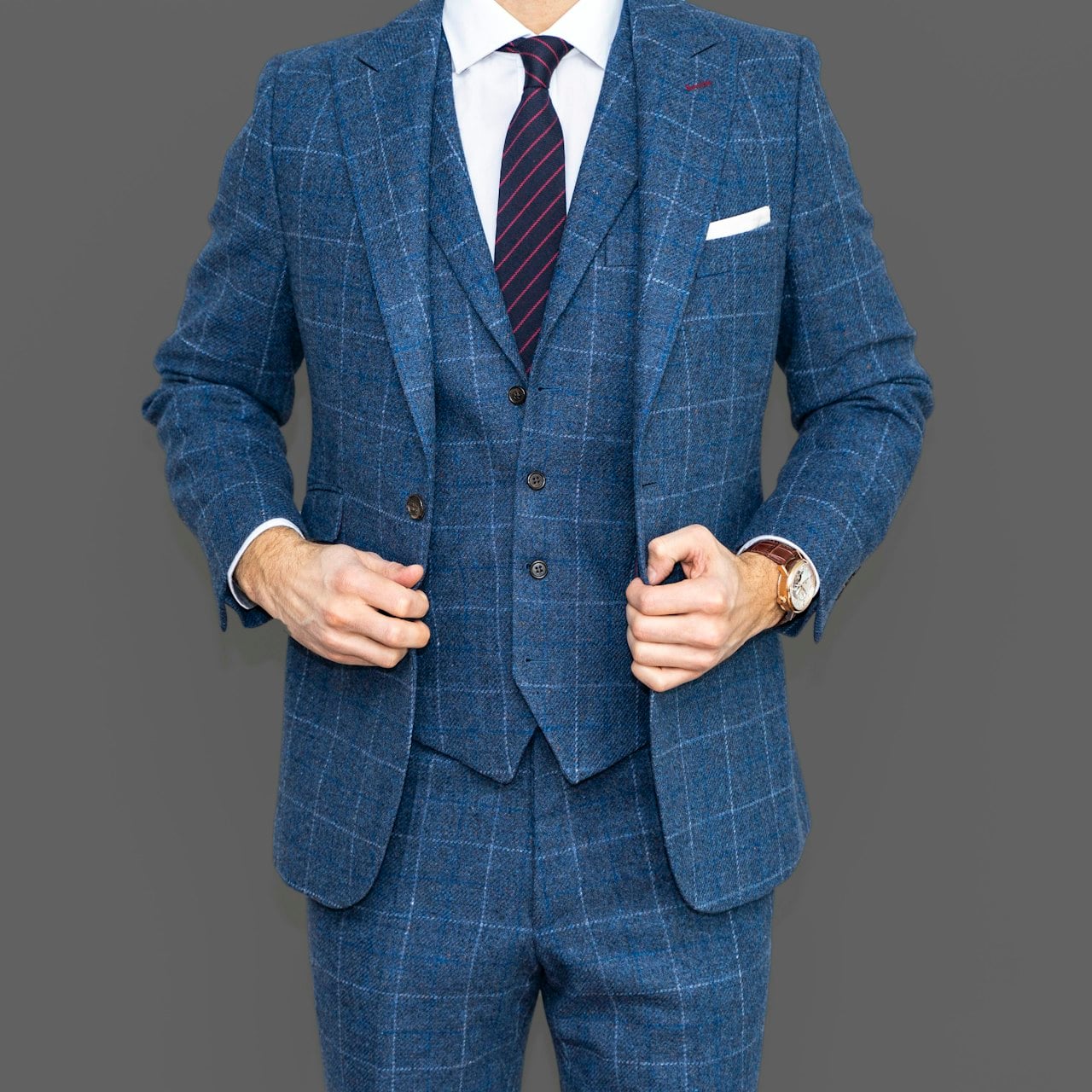
Let’s start with the non-negotiables. Tailored trousers are the foundation – wide-leg or straight cut, in a neutral or dark tone. They read professional at 9am and they’re interesting enough to carry through dinner. Cropped options work if your workplace is relaxed; full-length works everywhere.
A blazer is obvious, but not just any blazer. The ones that transition are slightly oversized, ideally in a solid colour or subtle texture – not pinstripe, not corporate navy with gold buttons. Wear it open over a camisole or fitted top, and you’ve done most of the work already. The corporate version has its buttons done up over a shirt. The evening version doesn’t.
The top underneath matters more than you think. A fitted silk or satin camisole changes the whole register of an outfit. Wear it to work under a blazer, and it looks intentional and polished. Remove the blazer later and you have an evening top. A basic white shirt won’t do this – it keeps the outfit stuck at “office.”
Footwear Is Where Most Plans Fall Apart
I want to be honest about heels. If you can wear them all day in your job and they don’t destroy your feet – great, you’re set. If you can’t, you need a different plan. Loafers with a slight platform have become genuinely viable for both contexts. The chunky-sole version in black or chocolate leather reads fashion-forward rather than casual, and they work from desk to restaurant without compromise.
Kitten heels are having a moment for exactly this reason. Low enough to survive a full day, just elevated enough to shift an outfit into evening territory. If you’re not already owning a pair, it’s worth reconsidering.
The worst option is ballet flats that look too soft, or trainers that are just obviously trainers. Those send the outfit backwards, no matter how good the rest of it is.
What Lives in Your Desk Drawer
The office-to-evening outfit is only half the strategy. The other half is what you keep at your desk. This sounds high-maintenance – it’s actually just three things. A statement earring – not your everyday studs, something with drop or texture. A lip colour that’s noticeably different from your daytime shade. And if your workplace allows it, a small evening bag that fits over the work tote in your drawer until 5:30.
Hair is underrated in this conversation. A bun or slicked-back ponytail does more to move an outfit into evening than almost any accessory. It takes four minutes and a single elastic. That’s the upgrade, and most people skip it.
Outfit Formula Table
| Piece | Office Version | Evening Switch |
|---|---|---|
| Blazer | Buttoned, over shirt | Open, over camisole |
| Trousers | Tailored, full length | Same – no change needed |
| Top | Camisole under blazer | Blazer off, camisole visible |
| Shoes | Platform loafers or kitten heel | Same – or swap to heels if stashed |
| Bag | Work tote | Small clutch from drawer |
| Earrings | Simple studs | Statement drop from drawer |
| Lips | Tinted balm or neutral | Deeper or bolder shade |
When This Doesn’t Work (Honest Version)
This strategy fails in certain workplaces and it’s worth naming them. If you work in a very conservative environment – law, finance, public sector – your office outfit is probably too formal to feel relaxed in a bar, and not formal enough for a smart dinner. The stakes run in both directions. You’ll either feel overdressed or underdressed, and neither is comfortable.
It also fails if the event is very casual or very dressed-up. A pub after work with friends? Tailored trousers and a camisole can feel try-hard. A formal dinner or a work event at a venue with a dress code? You needed a proper dress, and no amount of earring-swapping will fix it.
“The best office-to-evening outfit is the one you planned at 7am. Not the one you’re hoping will work at 5:45.”
The Honest Bottom Line
This works consistently for smart-casual offices and smart-casual evenings. That covers probably 60% of UK working women’s lives. For the other 40%, you either need to bring a change of clothes or accept that you’ll be slightly off-register for one half of the day. Which is also fine. Not every day needs to be a seamless lifestyle-magazine transition.
The pieces worth investing in – not saving for – are the blazer and the trousers. Those do the heavy lifting. Everything else is accessories you probably already own. Start there, and the rest figures itself out fairly quickly.