







I have a slightly awkward relationship with golf equipment. I love the promise of a clever club or training aid, but I also know that a new box on the doorstep does not magically fix a rushed takeaway. That is why I approached Performance Golf as a research-and-review project, looking at what the range actually includes, what the prices suggest and which products seem useful for an ordinary golfer with limited practice time.
The short version is encouraging, with caveats. Performance Golf combines equipment with practice tools and learning resources, so it is trying to solve the whole improvement problem rather than simply sell another shiny club. I found some genuinely interesting choices, especially for golfers who want a more structured routine. I also found products that need a clear use case before I would spend the money.
What I found when I mapped the range
My first impression was that Performance Golf sits somewhere between a golf shop and a coaching library. Its catalogue includes clubs such as drivers, woods, wedges and putters, plus balls and compact aids for working on movement. There are also lesson-style products, including access to a private lesson library. That mix matters because the best equipment review question is not “Does this look advanced?” but “Will I use it consistently?”
- Equipment: clubs and balls for the course, from starter-friendly options to premium putters.
- Practice: tools intended to give a golfer a repeatable swing or movement focus.
- Learning: digital lesson access for people who prefer guidance between rounds.
- Direct pricing: clear product prices make comparison easier, although delivery and returns still deserve a read before checkout.
That is the first real USP: problem-led golf gear. The catalogue is not only arranged around the clubs in a bag. It also speaks to speed, draw shape, contact and confidence. The second is convenience. A golfer can explore a training aid and a club in one place rather than assemble a plan from five unrelated retailers. The third is specificity: each item has a recognisable job, which makes it easier to decide whether it belongs in your routine.
The products that made the shortlist
I would not describe every item as a must-have. Four products did, however, give me enough detail to form a useful view. The iON+ Golf Ball is listed at $34.99, putting it in the relatively easy-to-test category. Balls are a sensible place to start because you can assess feel, flight and durability over several rounds without changing your whole swing. I like that this is a low-commitment experiment compared with a new driver.
The SpeedTrac is listed at $179 and is aimed at swing-speed practice. This is the sort of product that sounds compelling but needs discipline. It cannot replace a coach checking your sequence, and “more speed” is not automatically better if strike quality collapses. Its appeal is the simple feedback loop: practise a movement, make a few swings, then see whether the session has a measurable purpose.
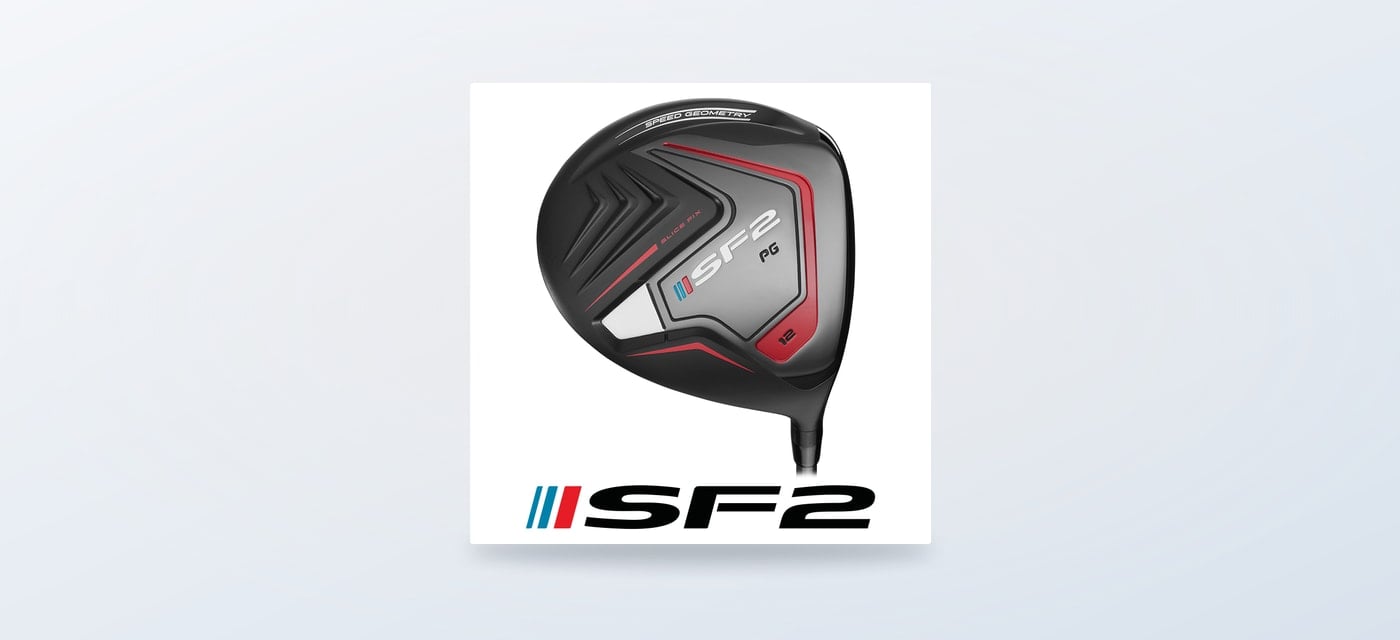
For golfers who fight a slice, the DrawForce Automatic Draw Trainer gives the range a more specific direction. I found it more interesting than a generic “improve your swing” promise because the intended use is obvious: work on a draw pattern and a more repeatable club path. The caution is equally obvious. A golfer who already over-draws the ball should not treat this as a universal fix, and a training aid only earns its keep if it comes out of the cupboard.
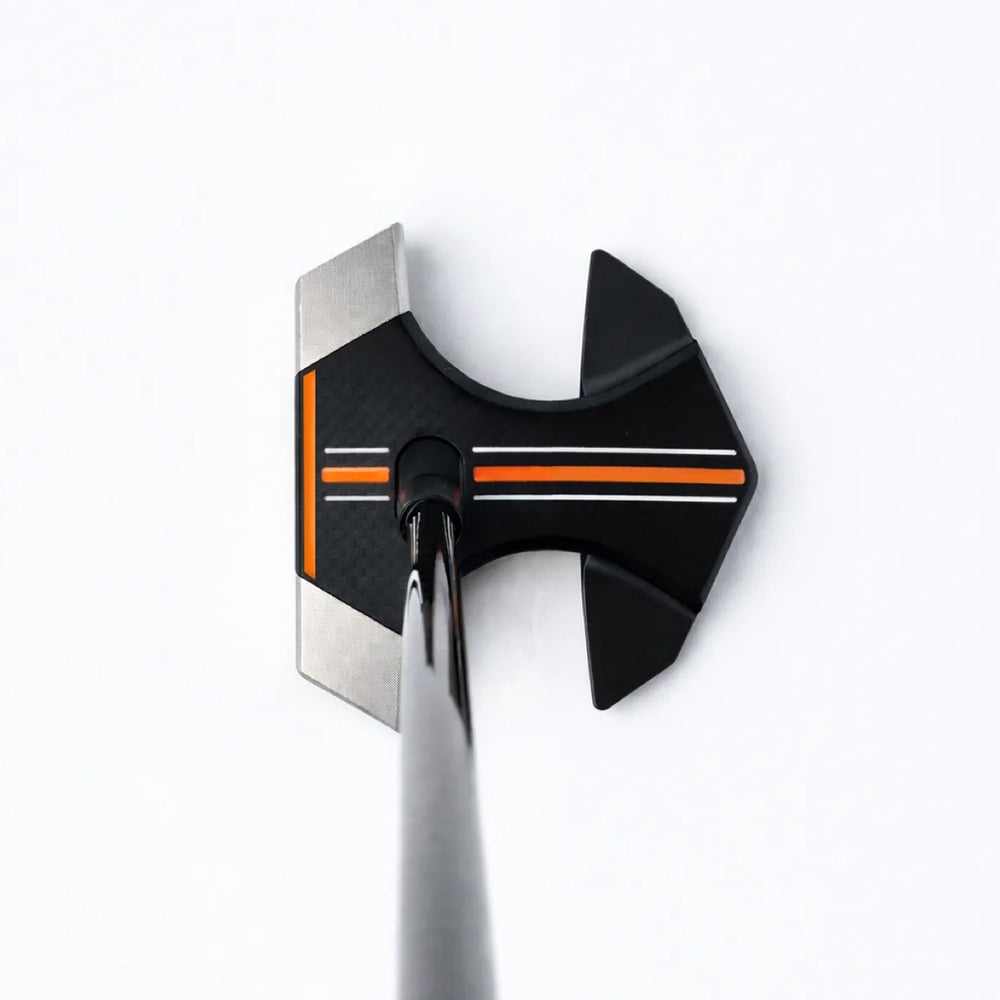
At the premium end, the RS1 Putter Founders Edition is shown at $449. This is a considered purchase rather than a casual trial. The putter has the kind of specialist positioning that will appeal to someone who enjoys testing equipment and wants to refine a part of the game where confidence is enormous. I would want to compare the face feel, alignment and weighting against my current putter in person if possible. On price alone, it is difficult to call this a beginner recommendation.
- Best low-risk test: iON+ Golf Ball, because a dozen or two can tell you plenty.
- Best for structured practice: SpeedTrac, if swing speed is a real goal and you will record sessions.
- Best for a defined ball-flight issue: DrawForce, provided a draw pattern is actually what you need.
- Best premium experiment: RS1 Putter Founders Edition, for an engaged golfer focused on putting.
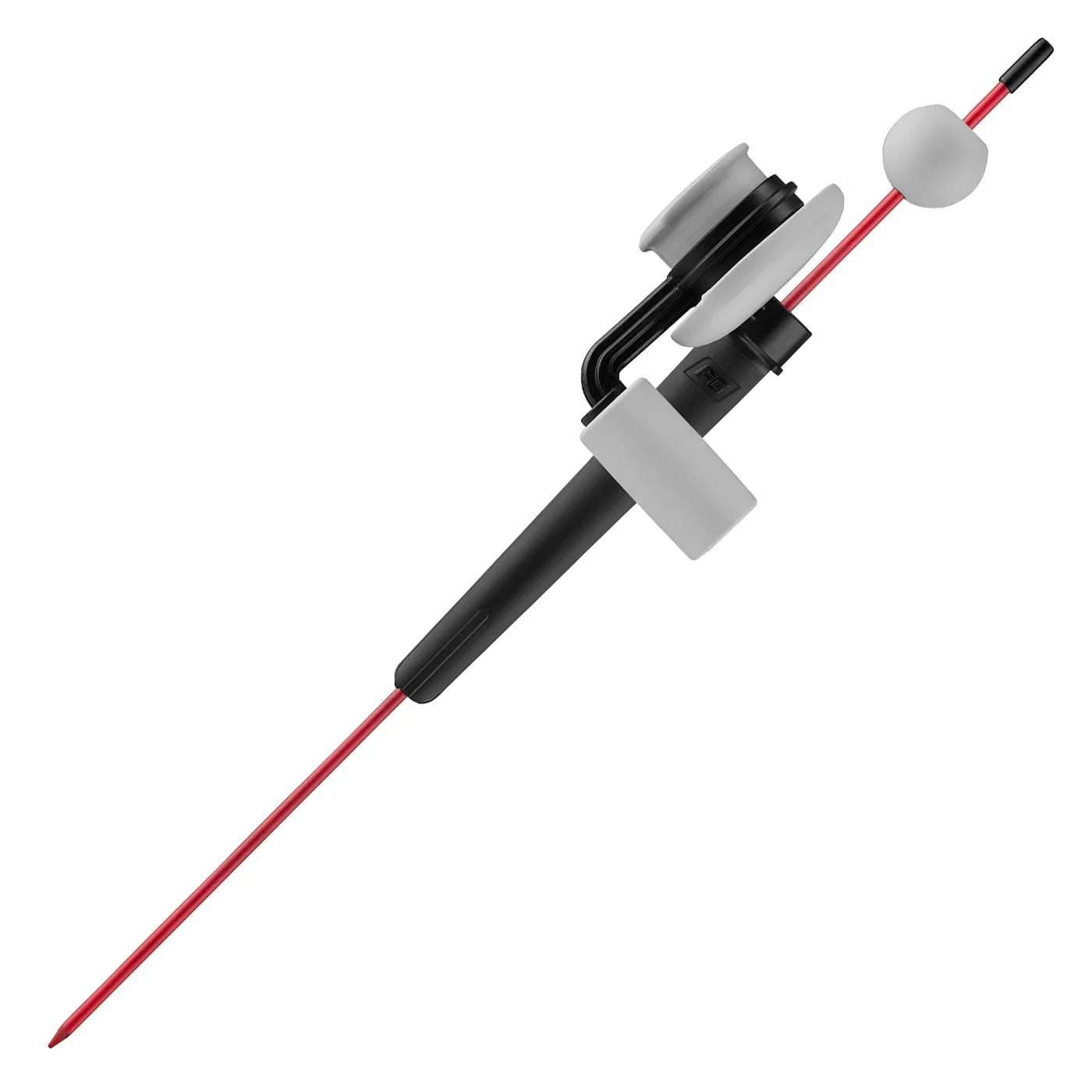
There is also the SwingSmooth Pro, which sits at a lower price point than the premium clubs and is aimed at making practice feel more manageable. I would put it in the “routine builder” category. It is not a replacement for learning why a swing works, but a physical reminder can be useful when you are trying to make one change instead of six. The Lil’ Legends Starter Set, shown at $199, is another concrete option, particularly for a newer or younger golfer who needs a complete starting point rather than a single specialist club.
What I like, and where I would hesitate
The positive case for Performance Golf is strongest when the buyer has a question in mind. “I need help with speed” points towards one product; “I keep missing short putts” points towards another; “I am starting from scratch” points towards a set. That is more useful than throwing a dozen unconnected gadgets at a golfer. I also appreciate that the visible price ladder runs from $34.99 balls through $179 or $199 practice and starter options to a $449 putter.
- Pros: clear use cases, a mix of course equipment and practice products, and accessible entry points.
- Pros: the range encourages golfers to think about practice rather than equipment alone.
- Cons: specialist aids require consistency, so occasional golfers may not see value.
- Cons: premium equipment is hard to judge from a product page without a fitting or hands-on comparison.
- Cons: golfers should check current shipping, returns and any subscription terms before ordering.
My biggest hesitation is familiar to anyone who has bought an optimistic training gadget: enthusiasm fades. If your diary is already full, the Performance Golf practice range will not create time for you. It may make a short session more focused, but that only works if you schedule the session. I would also avoid buying a club because its marketing sounds clever. A fitting, demo or a careful look at the specifications remains valuable, particularly for the RS1 Putter Founders Edition and other higher-ticket choices.
How I would use the range without overspending
My own approach would be deliberately boring, which is usually a good sign. I would start with one measurable problem, test the lowest-commitment option that addresses it and only add equipment after a few sessions. That makes the iON+ Golf Ball a more sensible first purchase than jumping straight to a premium putter. If the issue is genuinely a slice, I would investigate DrawForce; if it is speed, I would consider SpeedTrac.
- Write down the problem in one sentence before browsing.
- Choose one product and set a four-week practice target.
- Track a simple result, such as fairways, carry, three-putts or strike quality.
- Only then decide whether another product adds information or just excitement.
This method also makes the learning side of Performance Golf more relevant. A lesson library or structured resource can help you interpret what you are seeing rather than chase every poor shot with a new purchase. I like the idea of pairing a physical cue such as SwingSmooth Pro with a practice plan. The gear becomes a prompt, not a miracle. That is a much healthier expectation, and it is the standard I would use before recommending the range to a friend.
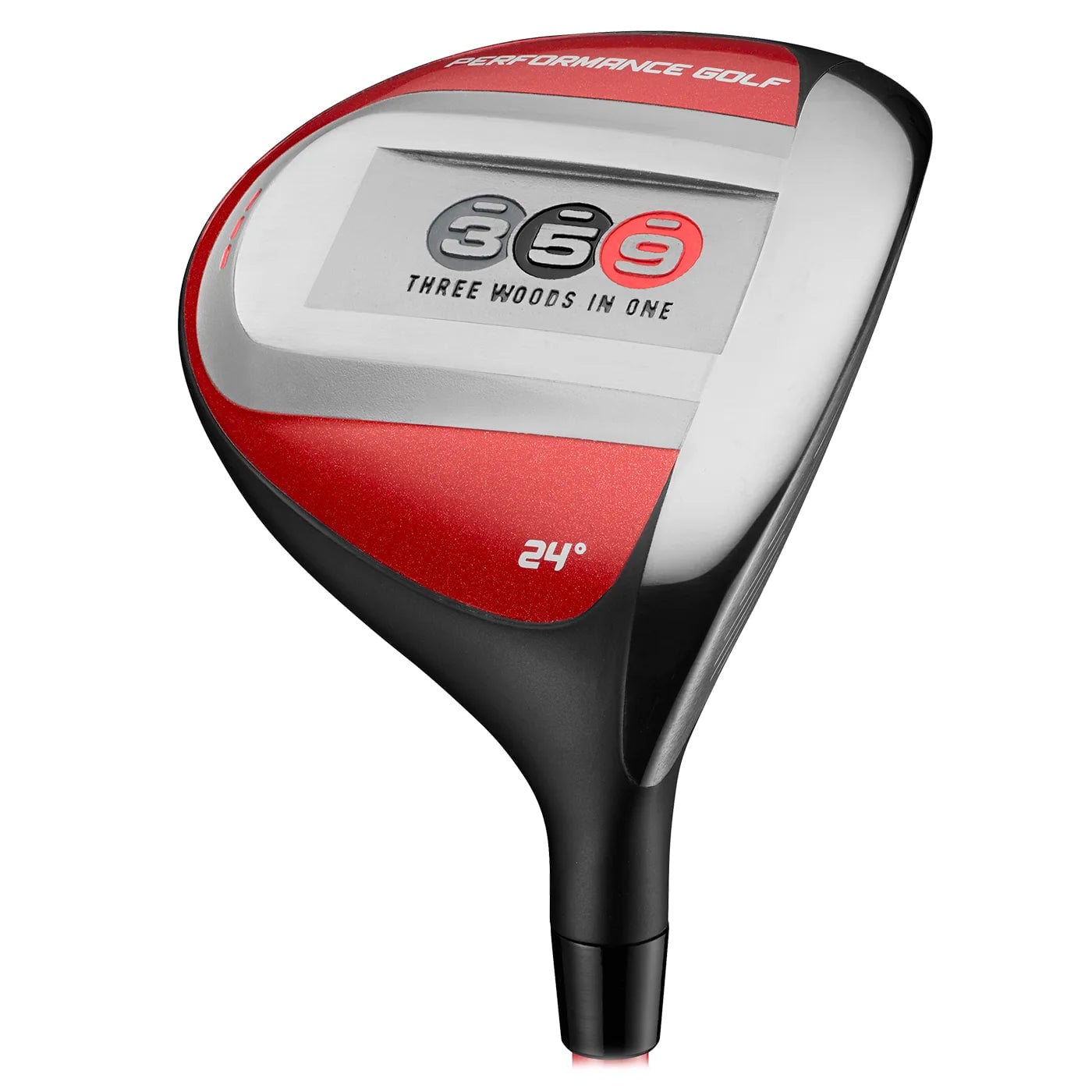
For a new golfer, I would look at the Lil’ Legends Starter Set and introductory lesson access before specialist kit. For an improving golfer, the SpeedTrac or DrawForce has a clearer purpose. For an equipment-focused golfer, the RS1 Putter Founders Edition is the fun, indulgent option, but I would not pretend it is essential.

My verdict after the research
Performance Golf earns a cautious yes from me. I like the way it connects equipment to a specific playing problem, and I think the mix of clubs, balls, practice aids and learning resources is more useful than a catalogue that only talks about distance. The visible price points also give a reader somewhere sensible to start, especially with the iON+ Golf Ball or a starter set.
The caveat is that this is a range to shop with a plan. I would not buy SpeedTrac without committing to speed practice, or choose the RS1 Putter Founders Edition without comparing it with my current putter. But if you know whether you need a ball, a club, a swing cue or a more organised way to learn, the range is refreshingly easy to navigate. Check the current details, match the product to the problem and let consistency do the impressive bit.