









I have a soft spot for a road trip that gives me a reason to pull off the highway. A standard campground is useful, obviously, but it is rarely the part of the journey I talk about afterwards. Harvest Hosts takes a different approach: it connects self-contained RV travellers with farms, wineries, breweries, distilleries, golf courses and attractions that offer overnight stays.
I researched the current membership pages, the plan differences and the practical wording around stays. My verdict is fairly simple: this is a route-building membership, not a full-service campground replacement. It can make a long drive more memorable and potentially reduce some overnight costs, but you need to be comfortable with limited facilities, host etiquette and planning ahead.
What I found when I looked past the romantic idea
The pitch is appealing because it changes the question from “where can I park?” to “what would make this stop worthwhile?” The current Harvest Hosts network advertises thousands of locations, and the variety is the real proposition. You might stop at a farm shop one night, a vineyard the next and a museum or attraction after that. The stay is usually about the setting rather than a long list of amenities.
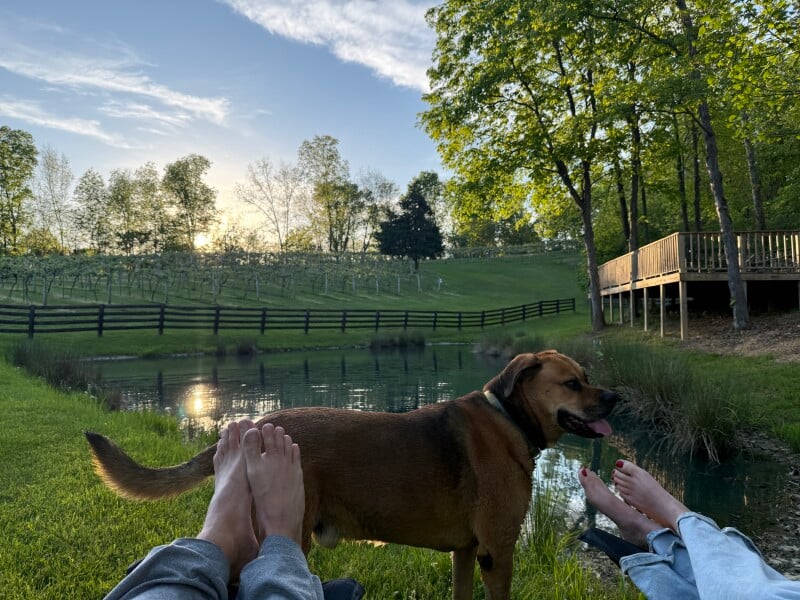
There are four useful points in the membership model that stood out to me:
- Unlimited nights: the membership is annual, rather than a bundle of prepaid stays.
- No camping fee: qualifying overnight stays do not carry a normal nightly camping charge.
- Local support: hosts may hope guests purchase wine, produce, beer, gifts or an experience.
- Self-contained travel: you should expect to manage your own power, water, bathroom and waste needs.
That last point is important. “No camping fee” is not the same as “everything is included”. I would read each host listing, check arrival instructions and budget for a purchase where appropriate. The membership information is strongest when it explains the experience clearly, but the individual host page is where the practical decision happens.
The plan choice is really about how much flexibility you need
The current pricing gave me three sensible entry points. Harvest Hosts Classic is listed at $99 per year and includes the core network of farms, wineries, breweries, distilleries and attractions, plus campground partners. For someone testing the concept, it is the least intimidating route.
The next step is Harvest Hosts + Boondockers Welcome, shown at $169 per year. It adds access to private-property hosts, which changes the feel of the network. You get more choice and potentially more residential, neighbourly stops, although extra choice only helps if you are willing to compare listings carefully.
At the top is Harvest Hosts All Access at $179 per year. It combines the core network, Boondockers Welcome, golf courses, campground partners and an Escapees RV Club membership. The extra cost over the middle tier is modest on paper, but I would only choose it if golf access, the RV community benefits and the broader map are genuinely useful to my travel style.
- Occasional road trips: start with Classic if you mainly want unusual one-night stops.
- Longer routes: consider the middle plan if private-property options will fill real gaps.
- Frequent RV travel: All Access makes more sense when several included benefits will be used.
Prices can change, and I would check the live plans page before joining. I would also review the plan inclusions and current member benefits. I also would not choose a higher tier just because the location count looks impressive. A benefit is only valuable when it matches the route I actually drive.
The pages that made the network feel tangible
When I review a membership, I want to see what a member might actually use. The farm host options are the clearest example of the offer working: the overnight can sit alongside a farm shop, seasonal produce or an open landscape. That is a much more interesting stop than a generic parking lot, provided you know what facilities are and are not available.
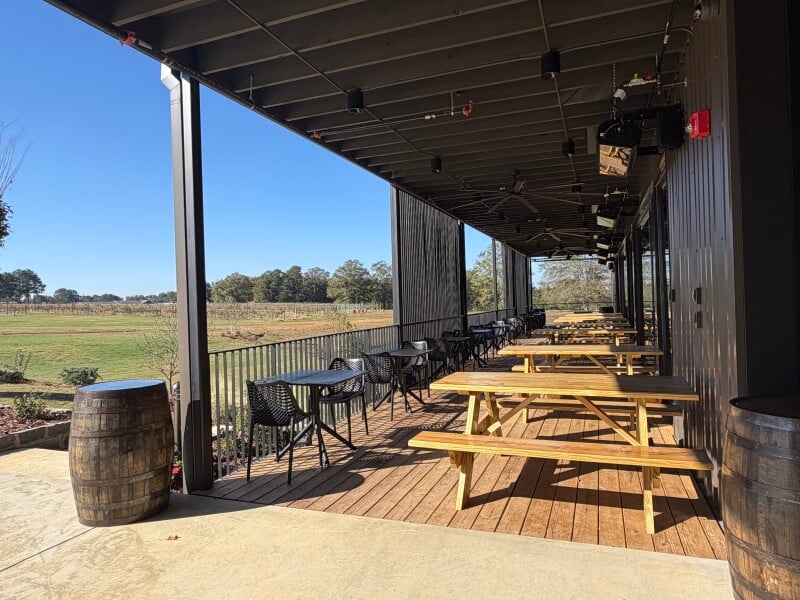
Wineries and breweries are similarly attractive because they give the stop a built-in reason. I liked that the model makes local spending part of the exchange rather than pretending the host gains nothing. The trade-off is that I would need to plan around opening hours, product availability and whether I actually want to make a purchase. An overnight near a winery or brewery is not automatically a good fit for every route.
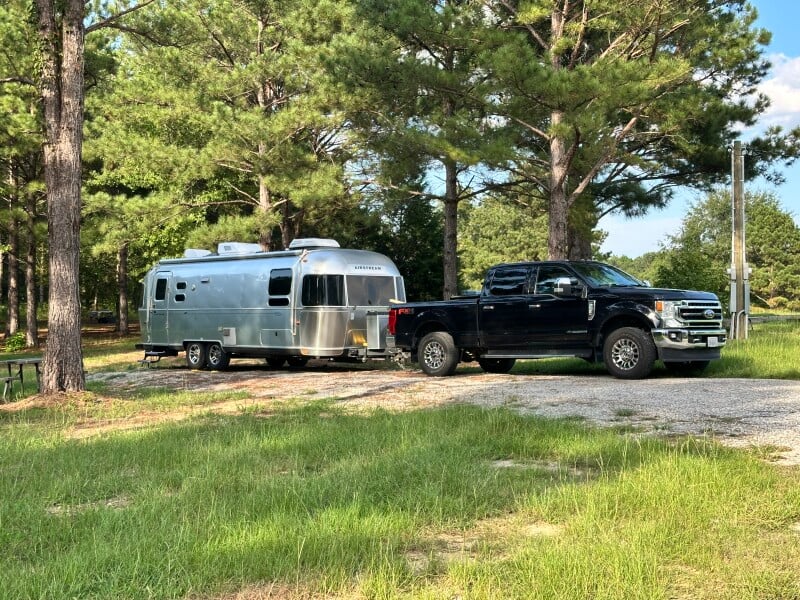
The golf and attraction categories broaden the use case. A golf host can suit a traveller who already wants a round, while an attraction can make sense when I am travelling with family or building a weekend around a place. The golf host collection is not a substitute for a campsite with full hookups, but it could be a clever add-on to a planned visit.
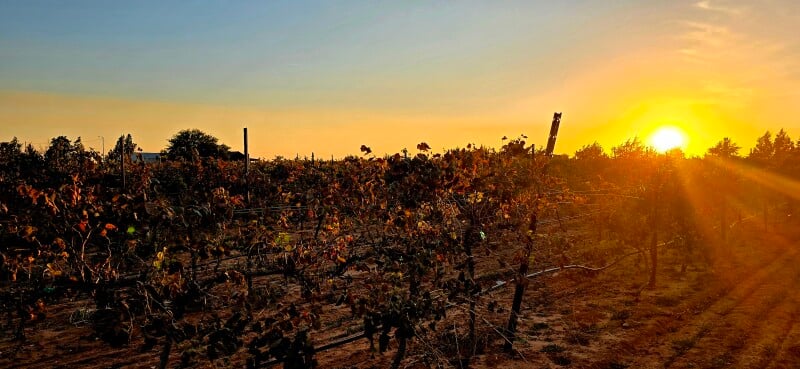
- Best fit for character: farms and wineries make the overnight feel distinctly local.
- Best fit for an activity: golf courses and attractions give the stop a clear purpose.
- Best fit for flexibility: the wider plans help when the obvious route has limited availability.
The app and map tools may be the less glamorous part of the offer, but they are the part I would use most. Host information, reviews, map layers for weather and cell coverage, plus dump-station information can reduce the amount of separate research. I would still cross-check the route, turning space and current availability. An attractive listing is not useful if my RV cannot comfortably reach it.
The practical drawbacks I would not ignore
The first limitation is facilities. Many stays are about a safe, unusual place to stop, not showers, laundry, electrical hookups or a reception desk. I would arrive with water tanks, battery capacity and waste plans sorted. That makes self-sufficiency the entry requirement, not a minor detail.
The second is predictability. A campground usually tells me what I am buying: a pitch, a set of amenities and a nightly price. A host network offers more personality, but the experience can vary from one location to the next. I would read reviews, check the host’s arrival window and avoid assuming that a beautiful photograph tells me everything.
There is also the social side. The idea is to support small businesses, so I would treat a stay as a relationship rather than a free parking entitlement. Buying something, following arrival instructions and leaving a considerate review are part of making the model work. If that feels like an obligation rather than a pleasure, a conventional campsite may suit me better.
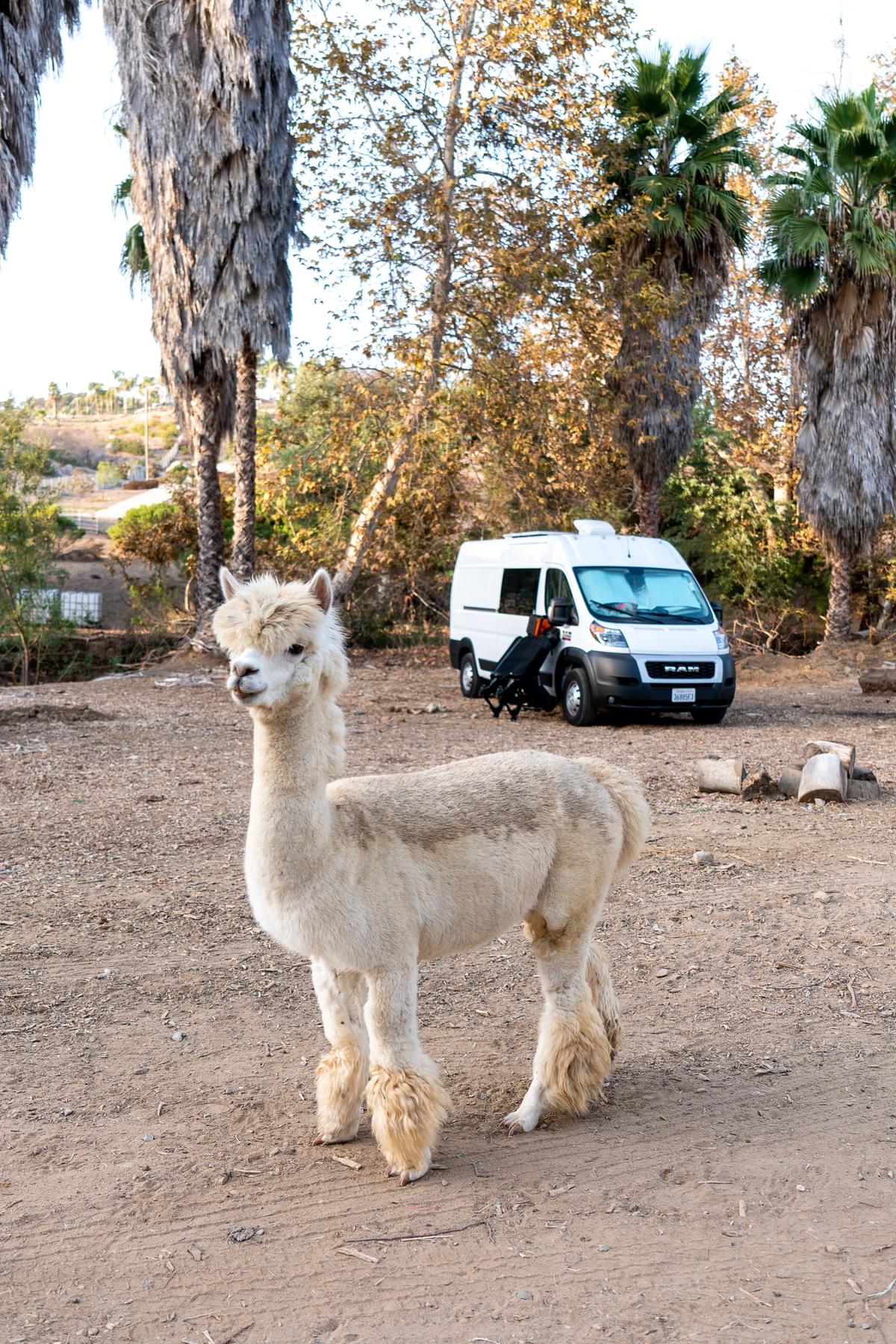
My honest pros and cons
- Pro: the network can turn an ordinary transfer day into a memorable stop.
- Pro: the annual fee may pay for itself if it replaces even a few campground nights.
- Pro: plan upgrades add useful variety rather than simply cosmetic extras.
- Con: amenities, access and availability are less predictable than at a campground.
- Con: you need a self-contained RV and a willingness to plan around host rules.
The financial comparison needs care. The headline $99 Classic price is attractive, and the site frames it as roughly the cost of two campground nights, but the real saving depends on the route, the host locations and any purchases I make. I would count membership as a way to add choice and experiences first, with savings as a possible bonus.
I also noticed a useful safety net in the current offer: a 90-day guarantee. That does not remove the need to research a host, but it lowers the risk of trying the concept. Before joining, I would confirm renewal terms, current pricing and the plan’s exact inclusions on the official membership details.
Who I think should join Harvest Hosts
I would recommend Harvest Hosts Classic to an RVer who has a self-contained setup, enjoys local food or drink, and wants a few unusual overnight choices on an annual route. It is especially compelling for someone who already dislikes spending every night at the same type of campground.
I would look at the bundled plans if I travelled often enough to use private-property stays, golf hosts or the extra community benefits. The All Access option has the broadest proposition, but broadest is not automatically best. My choice would depend on a plotted route, not the biggest number on the sales page.
I would skip it if I need guaranteed hookups, predictable facilities or spontaneous late arrivals. I would also skip it if I am travelling in an RV that is not fully self-contained. That is not a criticism of the brand; it is simply the boundary of the product.
After the research, I see Harvest Hosts as a memorable route tool with real practical limits. The strongest reason to join is not the promise of a free night. It is the possibility of waking up somewhere with a story, then carrying that story into the next leg of the trip. For the right kind of RV traveller, that is a genuinely useful upgrade.