







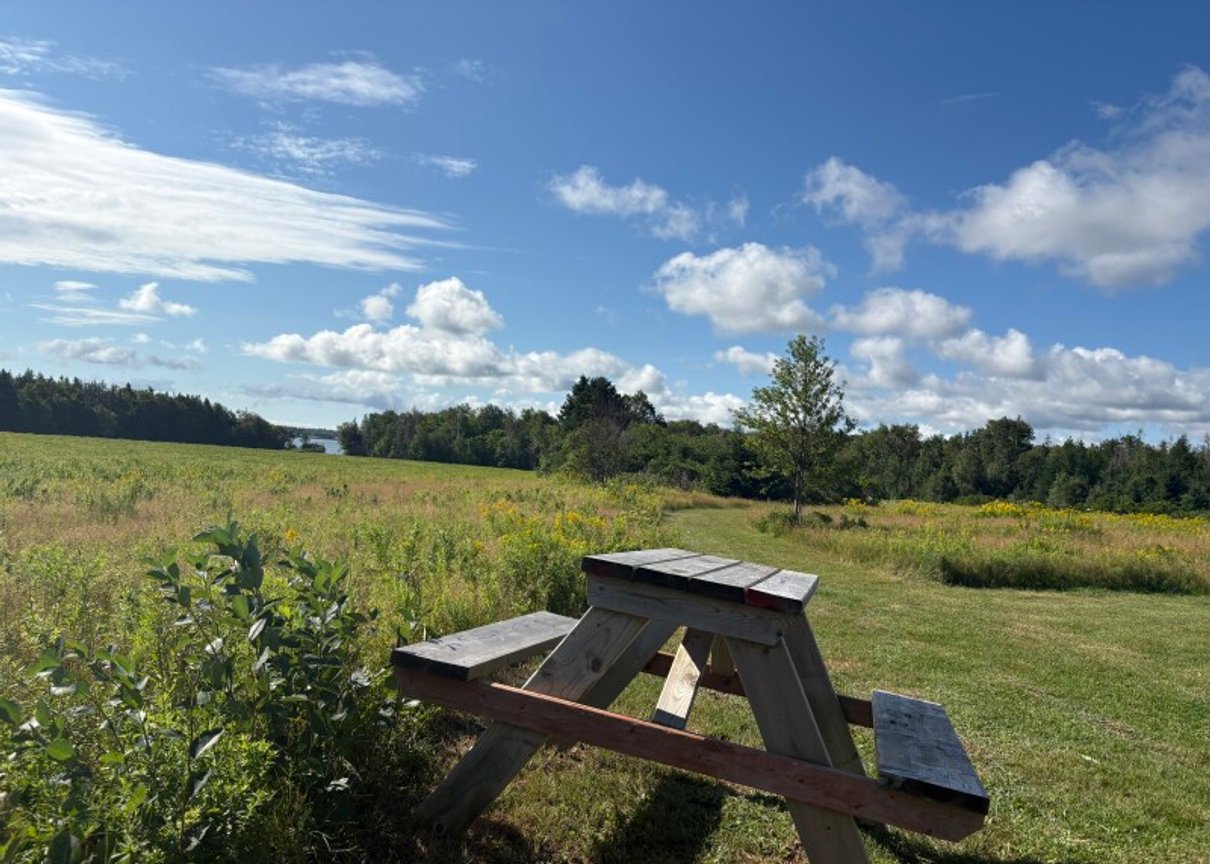
We have a small confession: we are exactly the sort of people who can spend an hour planning an RV route and still choose the most boring possible place to sleep. Harvest Hosts is designed to interrupt that habit. Instead of treating the overnight as a gap between destinations, the membership points RV travelers toward farms, wineries, breweries, attractions, golf courses and private properties.
We reviewed the current offer on the United States product pages, read the practical details on individual Host pages and compared the three plans. The headline is persuasive: 9,700+ locations and unlimited overnight stays with no camping fees. The less glossy truth is that this is not a replacement for every campground. It is a route-planning membership with a particular kind of charm, and its value depends heavily on how you travel.
Disclosure: this post includes affiliate links, and we may be paid a commission on purchases made through them.
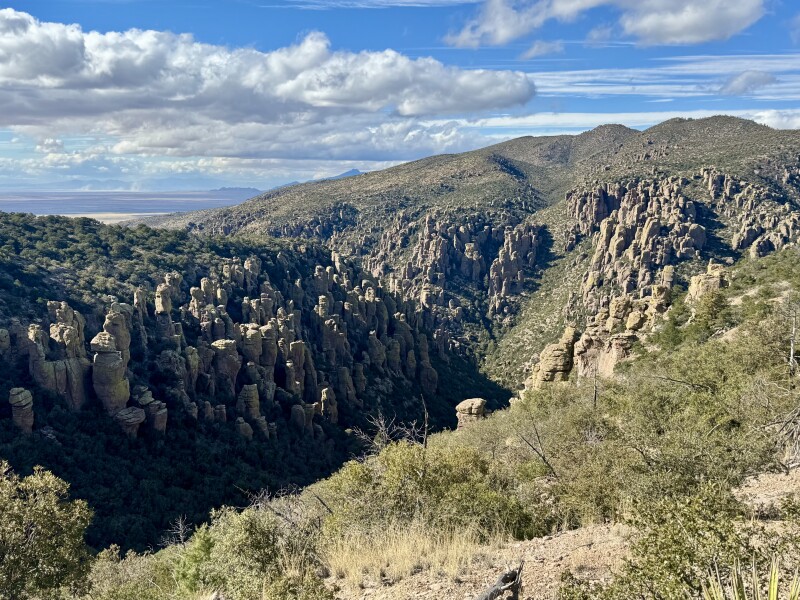
How does the Harvest Hosts stay process work?
The core proposition is refreshingly easy to understand. Members search the map, choose a Host, request a stay and arrive with a self-contained RV. In place of a camping fee, the brand encourages guests to support the business by shopping, tasting, dining or booking an experience. That might mean farm-fresh cheese, a brewery visit, a museum ticket or simply a conversation with the person who owns the place.
The network is broad enough to be useful, but the categories are not interchangeable. The public location pages currently point to roughly 2,400 farms, 900 wineries, 700 breweries and distilleries, 1,900 attractions and 3,300 Community Hosts. You can browse the location network or search the route-planning map before joining, which is a sensible first test.
- Farms bring countryside views, produce and a slower arrival.
- Wineries, breweries and distilleries make the stop feel like an outing.
- Attractions can turn an ordinary travel day into a museum or local-history detour.
- Community Hosts add private-property stays when you want quiet over commercial atmosphere.
That range is the first real strength. Travelers can imagine using farm stays for a relaxed weekend, then filtering for wineries and breweries when friends are visiting. The membership is not selling one uniform hotel-like product. It is selling access to a collection of different stories, with all the inconsistency that implies.
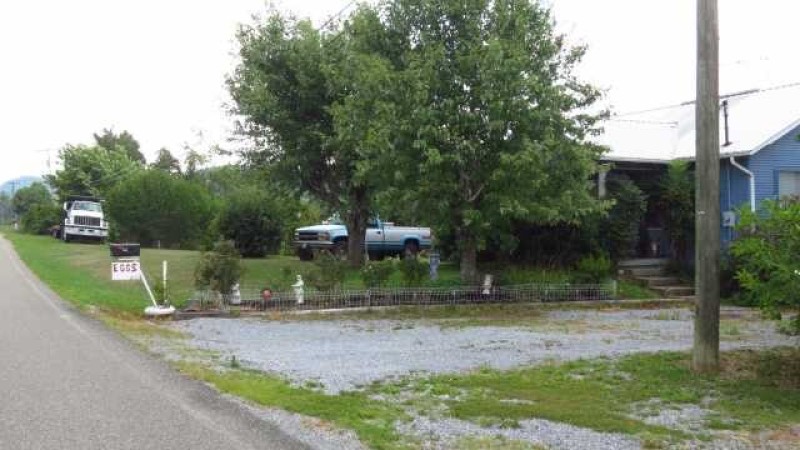
Which Harvest Hosts plan should I choose?
The entry point is the Harvest Hosts Classic plan, which covers the original small-business network of farms, wineries, breweries, distilleries and attractions, alongside campground partners. The plan may suit you if you already expect to make several RV trips and want unusual stops rather than only the lowest nightly rate. View Harvest Hosts Classic to check the live offer.
The middle option is Harvest Hosts + Boondockers Welcome. It adds more than 3,300 private-property hosts to the wider network, while still including the small-business locations and campground partners. This looks like the most interesting tier for people who like the social side of RV travel but do not always want a tasting room or attraction. Compare the Boondockers Welcome plan with Classic before deciding.
Harvest Hosts All Access combines the wider network with golf courses, campground partners and an Escapees RV Club membership. The difference from the middle plan is relatively small based on the available product page details, but choose the bundle only if those extra benefits will actually be used. See Harvest Hosts All Access for the current inclusions.
- Choose Classic for the cleanest, lowest-cost introduction.
- Choose + Boondockers Welcome for more private-property variety.
- Choose All Access when golf, Escapees and the broadest network belong in your real plans.
The pricing language also deserves a little caution. The site says plans are typically paid for in two to four campground nights, but that is a useful comparison rather than a guarantee. A membership only saves money when you use it, and a Host stop may still involve a purchase, tasting, meal, hookup fee or paid experience. Review the plan details against your own calendar, not an imaginary twelve-month road trip.
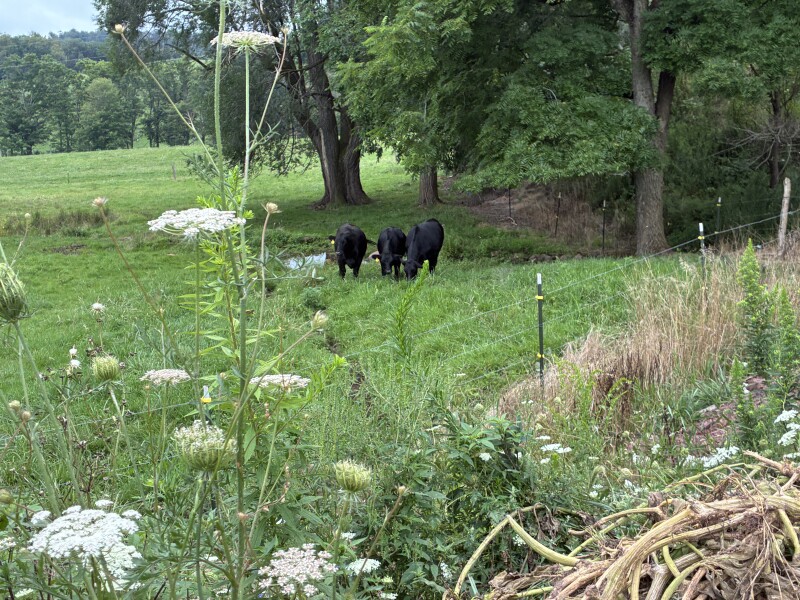
What do real Harvest Hosts listings reveal?
The strongest evidence is not the location count. It is the detail on individual pages. The Idyllic Scottish Highland Farm Stay in Piney Flats, Tennessee, welcomes RVs up to 40 feet, allows pets and generators, and has a 4.83 rating from 49 reviews. It is dry camping with no hookups, but an extra night is available. Read the Highland Farm Host details before imagining a quiet cattle-view morning.
That listing illustrates both the appeal and the trade-off. The setting is specific, the reviews are useful and the experience sounds memorable. On the other hand, a rig that needs electric service will need another plan. A Host page is not a promise of standardized infrastructure, so always check hookups and vehicle limits before sending a request.
In Maine, the Scenic Farm Retreat near Village is described as a flat grassy parking area for RVs up to 45 feet, with same-day requests, pets allowed and up to four extra nights. It also has walking access to a grocery store, pizza shop and local public house. That sounds less like a postcard-only detour and more like a practical overnight with a little personality. Explore the Maine Host example if you are comparing quiet rural stays.
Then there is the Sustainable Farm Brewery and Winery Getaway in Willcox, Arizona. The public listing shows electric hookups, extra nights, a 4.9 rating and space for rigs over 45 feet. For a traveler who wants the experience without giving up every convenience, that is a more convincing example than a generic promise about “unique stays”. See the brewery and winery example and read the individual rules carefully.
- Ask whether the surface is grass, gravel or pavement.
- Confirm your total rig length, including a tow vehicle.
- Check generator, pet, arrival and checkout rules.
- Budget for a purchase or experience that supports the Host.
Those checks take a few minutes, but they are the difference between an enjoyable surprise and an uncomfortable arrival. The Host profile search gives you photos, reviews and practical filters, while the request process lets the Host confirm the details.
What are the practical strengths and limits of Harvest Hosts?
Pros: the concept creates genuine discovery, the network is impressively varied and the membership can be a practical alternative to repeated campground stays. The model also directs money toward small businesses rather than treating the Host as invisible parking infrastructure. Route planning is another practical win: search near a destination or along a route and the overnight can become part of the day.
Cons: amenities vary widely, many stays are intended for self-contained RVs and requests need confirmation. “No camping fees” does not mean the whole night is cost-free. Some travelers will find the expected support purchase awkward, while others will see it as the point. You also need a backup when weather, access, timing or a full Host calendar changes the plan. Read how membership works before assuming every location behaves like a campground.
There is also a mindset question. If your ideal trip means a level serviced pitch, showers, laundry and guaranteed late arrival, the membership may frustrate you. If you enjoy a little planning and would rather wake up beside a farm, winery, museum or garden than another row of RVs, the inconsistency becomes part of the charm. That is a real verdict, not a universal one.

Should I join Harvest Hosts for my next RV trips?
Classic may suit a traveler who has several trips in mind, enjoys local food or attractions and can travel with a self-contained setup. Consider + Boondockers Welcome if private driveways and residential-style hospitality sound more useful than business visits. All Access may suit a frequent traveler who will use golf, campground partners and Escapees, but the biggest bundle alone is not a reason to choose it. Compare the three membership options with your likely destinations open beside them.
My suggested first run is deliberately small:
- Search a familiar route rather than designing a whole holiday around the membership.
- Save three Hosts with different levels of convenience.
- Request one that fits your rig and arrival time, then keep a campground backup.
- Support the Host in a way that feels worthwhile to you.
That test will tell you more than a glossy promise. You will quickly learn whether you enjoy the slower arrival, whether the purchase expectation suits you and whether your rig works comfortably with the available sites. Browse nearby Hosts first if you are still unsure.
Ready to see whether Harvest Hosts suits your route?
Harvest Hosts earns its appeal honestly. It offers a large, varied network, a simple membership premise and access to places many travelers are more likely to remember than a standard overnight lot. The research also shows why expectations matter: some Hosts offer electric hookups and extra nights, while others are deliberately basic. You are joining for the setting and the connection, not a guaranteed amenity checklist.
For a first look, Classic is the sensible starting point based on the current offer. The combined plan is more compelling for long-haul RVers who want private-property choices, and All Access makes sense only when its added benefits fit your habits. Consider joining with one route in mind, read every profile and keep a conventional campground in reserve. See the Harvest Hosts offer and decide whether the next place you sleep should also be part of the story.