






Planning a trip to France often means making several choices at once: where to cross, what the journey will involve, and whether to arrange a stay alongside it. Irish Ferries brings those questions together in one travel range, giving first-time readers a useful place to begin.
We looked at the UK regional pages to see how that offer is presented. The picture is broader than a single ferry ticket: it includes routes from Ireland and Britain, onboard facilities, rail options and selected French accommodation. The practical question is how those pieces fit your own itinerary.
The range has a useful organising idea: connect the crossing with the rest of the trip, while leaving travellers room to choose how much they bundle. But there is no single itinerary that suits every departure point, and accommodation choices need their own checks.
Disclosure: this post includes affiliate links, and we may be paid a commission on purchases made through them.
The short version: Irish Ferries is a travel operator whose France range brings together sea crossings, onboard services and selected stay options. It is most useful to readers who want to compare a journey from Ireland or Britain and may want help joining transport with a holiday; the best fit depends on your starting point and how much planning you want to do yourself.
What does Irish Ferries bring together for a France trip?
The UK store presents Irish Ferries as more than a route search. Its France pages connect crossing information with practical trip-planning choices, including the Dublin-Cherbourg route, Dover-Calais sailings, Ferry & Rail, and a collection of holiday pages. Readers can start with the Dublin-Cherbourg route details or compare the France holiday park listings. That breadth gives a first-time reader several ways in to the brand, depending on whether the main question is how to cross, where to stay, or whether a car is part of the plan.
This is a useful brand structure because travel decisions rarely sit in neat boxes. A ferry may be the main transport choice for one traveller and simply the first leg of a longer holiday for another. The UK France section lists these trip options together, while separate pages give each route, ship and stay its own careful description. The ship information and hotel listing give two examples of that structure.
- Crossings: compare the Ireland-France and Britain-France routes against where you are starting.
- Onboard time: look at the ship page for the facilities and cabin choices relevant to your sailing.
- Rail: check the Ferry & Rail information if you are considering a car-free journey.
- Stays: browse the listed holiday partners and destinations if you want transport and accommodation to connect.
The benefit is a clearer starting point for research. A reader can learn about a named ship such as W. B. Yeats and then check a route such as Dublin-Cherbourg, rather than treating every sailing as identical. The limit is that the brand overview does not decide whether a specific route, departure time or stay will work for a particular journey. Those details belong on the live page for the exact dates and booking.
Why does W. B. Yeats shape the onboard story?
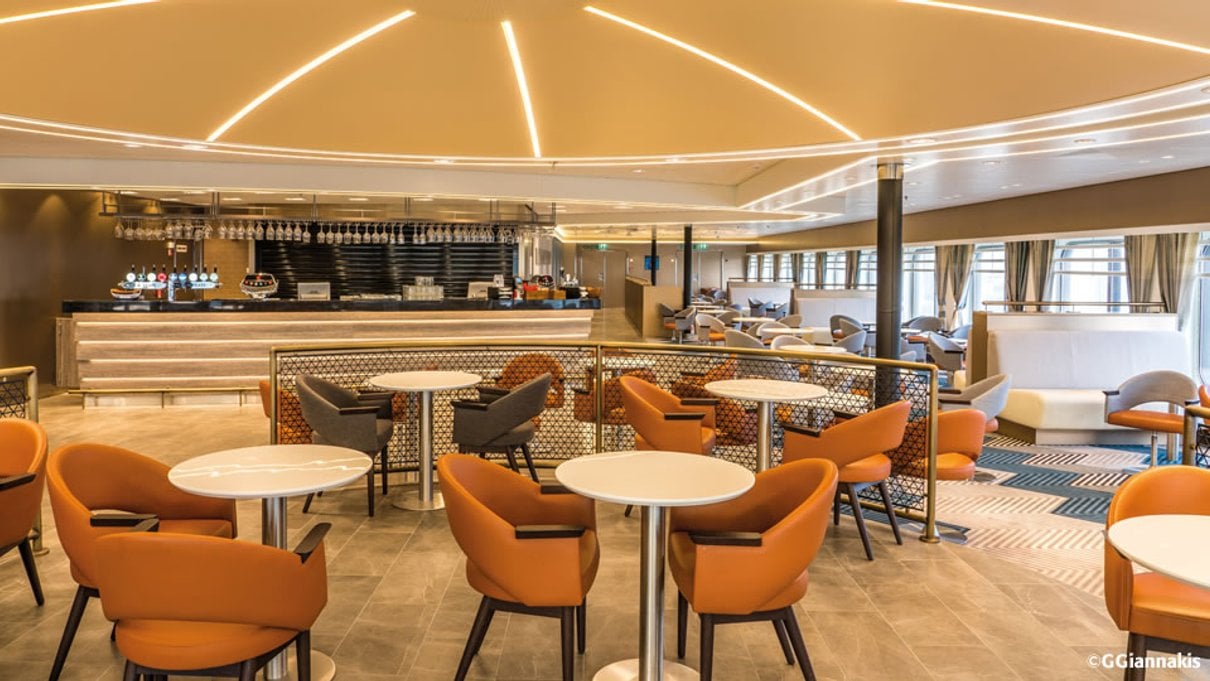
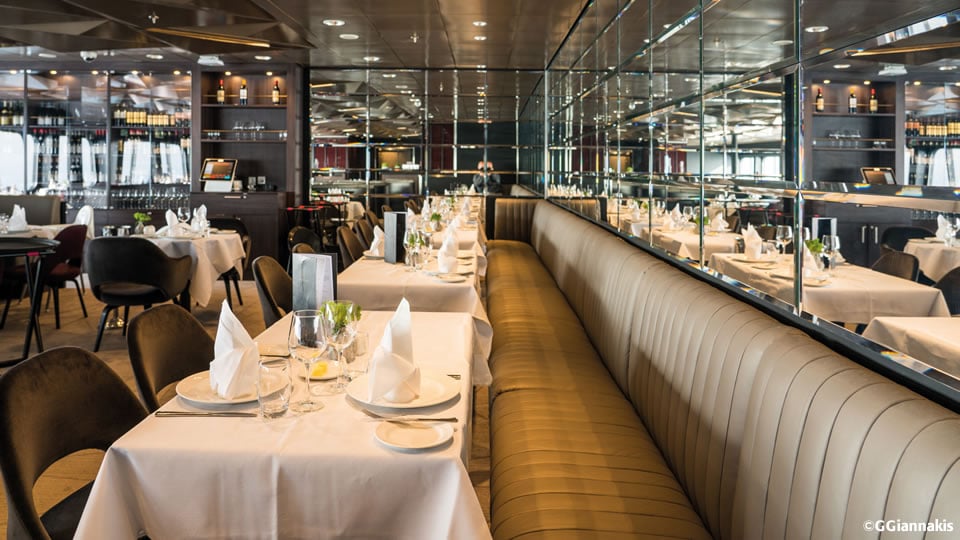
A ferry crossing takes up real itinerary time, so the ship itself is part of the travel offer. The official W. B. Yeats page describes a range of facilities that includes cabins, dining venues, bars and family spaces. This gives the brand a more rounded story than simply moving a vehicle or foot passenger from one port to another.
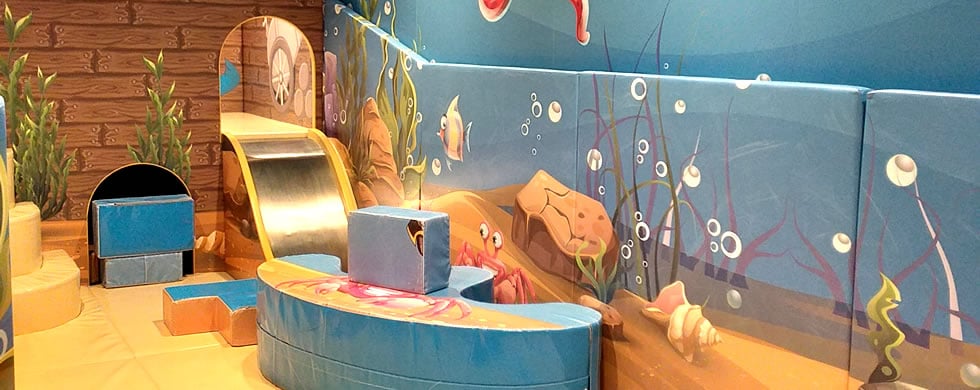
For a family, the presence of a dedicated children’s area may make the crossing feel easier to plan. For a couple or group, a choice of dining or lounge spaces can make the time onboard feel more structured. And for anyone who wants to rest, cabin categories are part of the ship information to compare. These are options to investigate, not guarantees that every facility is available on every sailing. Readers can review the W. B. Yeats onboard details before checking the route listing.
The most helpful approach is to read the ship information alongside the route and booking details. The W. B. Yeats page can explain the vessel’s spaces, while the Dublin-Cherbourg route page is the place to confirm route-specific information. The distinction matters because a brand-level description should not be mistaken for a promise about a particular departure.
- Check which ship is scheduled for the route and date you are considering.
- Compare cabin and seating choices against the length and timing of the crossing.
- Review the current onboard information for dining, family facilities and accessibility details.
- Keep the sailing page and booking terms open when confirming the final arrangement.
This is where the brand’s breadth is helpful, but also where readers have to do a little joining-up. The brand explains the elements in connected places, yet you still need to verify what applies to your sailing. We would treat the ship page as context, then use the booking flow for the decision itself. Check the current ship page against the current crossing information.
How do the French stay pages change the offer?
Irish Ferries also lists accommodation and holiday options for France, which expands the brand from transport into trip planning. One example is Eurocamp Holiday Parks, a collection of campsite stays with different settings and facilities. Another is Hotel Les Fuchsias, a hotel option that gives the range a different feel from a self-catering park holiday.
The editorial value of this range is choice of trip shape. A holiday park may suit travellers who want a base with on-site leisure facilities, while a hotel may be more relevant to a shorter stop or a simpler room-based stay. The brand pages make these options visible alongside ferry planning; they do not mean every accommodation choice is automatically bundled with every crossing. Compare the park collection with the hotel option on their own merits.

For instance, the Eurocamp pages show a variety of French parks, and each park’s setting, facilities and accommodation details can differ. The Hotel Les Fuchsias page has its own description and should be assessed on its own terms and details. Read both as specific holiday choices rather than interchangeable add-ons.

Before combining a crossing with a stay, check the dates, location, travel time from the port and what the accommodation listing actually includes. This matters especially when the trip involves children or a long onward drive. A stay may look convenient on a brand page but still need to fit your arrival time and preferred pace. Check the route page alongside the park information or hotel details.
What should first-time readers keep in mind?
The clearest strength of Irish Ferries is range under one name: readers can explore ferry routes, onboard information and selected places to stay without starting from unrelated sites. Its France offer can support a route-led plan, a family holiday or a trip where rail is part of the journey. The official pages also make it possible to move from the broad idea to a named route, ship or accommodation option. The route pages and stay listings are useful starting points.
There are limits to that convenience. A wide offer can make it tempting to assume that all parts connect seamlessly, when the details vary by route, date, availability and accommodation provider. And because the store organises information across individual pages, some comparison work remains with you. We recommend checking the route information and the accommodation listing alongside the booking conditions before treating a route and stay as one plan.
- Start with your departure point and the port that makes sense for the trip.
- Decide whether the trip is car-based, rail-based or still open.
- Read the ship details for the selected crossing, rather than relying on general onboard descriptions.
- Compare any stay by location, accommodation type and the facilities your group will actually use.
- Confirm current dates, availability and terms on the official UK pages before booking.
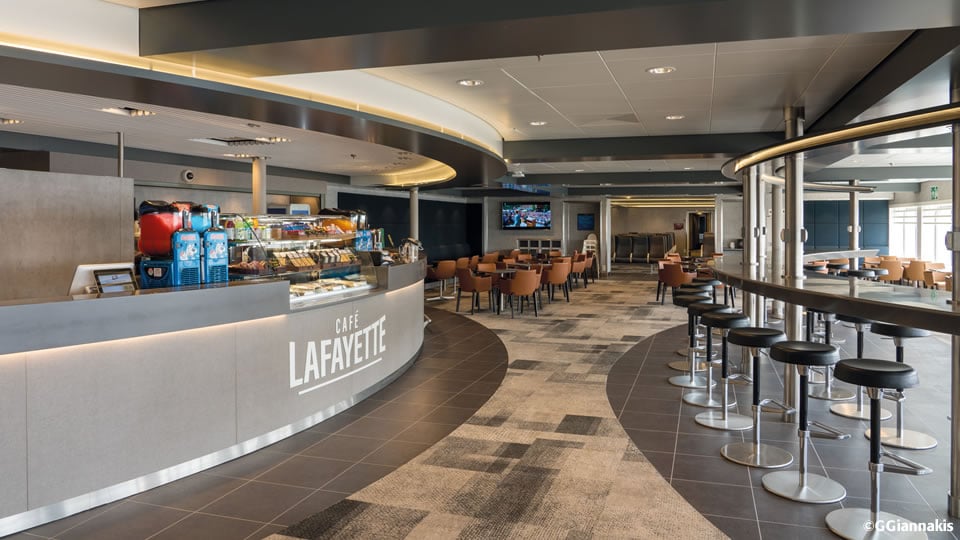
A first-time reader should also separate brand context from booking facts. The brand story helps explain why a ferry operator presents routes, rail and stays together. For decisions, use the current route and stay listings, where the relevant terms and availability can be checked. That is particularly important for schedules, cabin choices, facilities and partner accommodation details, all of which may change. Confirm the ship facilities and holiday details on their current pages.
In other words, Irish Ferries is worth exploring when a France crossing is one part of a wider travel plan. The range is easier to assess once you know whether the trip begins in Ireland or Britain, and whether you need transport only or help considering a place to stay. If you are still deciding on the destination itself, the number of options may feel like more research rather than less. The route page and holiday collection help show the range of choices.
Ready to explore the Irish Ferries France range?
Our recommendation is to use Irish Ferries as a planning starting point if you want routes, ship information and selected French stays presented within one brand. Begin with the appropriate route, then look at W. B. Yeats or another relevant vessel and consider whether an option such as Eurocamp Holiday Parks or Hotel Les Fuchsias suits the kind of break you want.
The honest limitation is that the range is not a substitute for checking the details that make a trip work: the exact sailing, included facilities, location, availability and booking terms. For a first visit, follow the specific UK store pages through to the current options, including the crossing information, and make the final choice from there.