








Choosing a ferry brand for France is about more than finding a crossing. The route, the ship and the onward plan all shape how the trip feels before you reach the French coast.
Irish Ferries is best understood as a travel network with several entry points: a direct Ireland-France sailing, onboard facilities, rail planning for foot passengers and holiday listings in France. For a first visit to the brand’s UK store, that mix can be useful, provided you notice which pieces need separate planning.
The story behind the offer is practical: connect a sea crossing with the trip around it. We reviewed the brand’s UK pages and product information for this introduction; we have not tested or booked these services.
Disclosure: this post includes affiliate links, and we may be paid a commission on purchases made through them.
The short version: Irish Ferries brings together a Dublin-Cherbourg sailing, the W.B. Yeats onboard experience, a Sail & Rail route for foot passengers and French stays such as Parc Asterix. The range is useful for readers who want to consider the journey and stay together, while the rail and holiday parts may require extra coordination and separate checks.
What is the idea behind Irish Ferries’ France range?
At its heart, Irish Ferries is a ferry operator, and its France pages build outward from that central job. The Dublin-Cherbourg route links Ireland with Normandy, while the UK store also presents British departure information and France-related trip planning. That gives the brand a role in a wider itinerary, rather than making it simply a sailing search page.
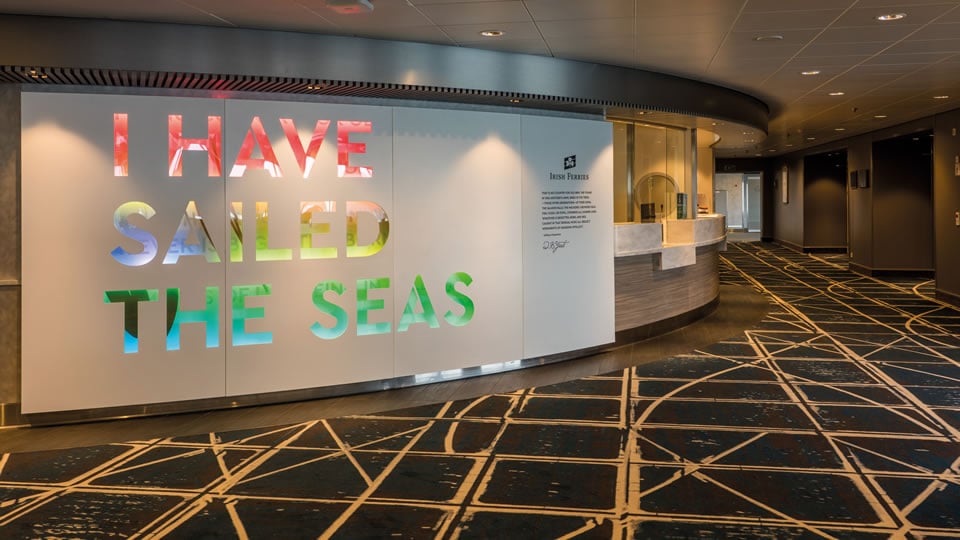
The company’s naming choices offer another clue to its identity. Ships such as W.B. Yeats draw on Irish literary figures, while onboard spaces use names including Lady Gregory and Maud Gonne. This creates a recognisable thread through the fleet and gives travellers a sense of place before they disembark. It is a brand detail, not a substitute for checking the ship assigned to a particular sailing.
In editorial terms, the attraction is the joined-up view. A reader can start with the Dublin-Cherbourg ferry, see what W.B. Yeats offers onboard, and then decide whether the crossing fits with a stay or rail journey. The store also features routes, ship details, holiday options and practical information in one branded environment, which is helpful when you are still shaping the outline.
A ferry-led approach will suit some journeys better than others. If your priority is reaching France with a vehicle and then exploring at your own pace, a sea crossing can form a natural first leg. If you are city-bound and do not want to drive, the separate rail information may be more relevant. Either way, compare the route with your actual start point before falling for a map that looks neat on screen.
What does the Dublin-Cherbourg sailing add to the story?
The brand’s clearest Ireland-France example is Dublin-Cherbourg. Irish Ferries describes the route as a connection between Dublin and Cherbourg, with road access onward from the port into northern and central France. The destination can make sense for Normandy, the north-west and road itineraries that continue beyond the immediate port area.
That geography is the first practical filter. A sailing is not automatically the shortest choice from every part of Britain or Ireland: your home-to-port journey, check-in plan and onward distance matter too. A family travelling with a car may value the ability to bring their own vehicle, while a traveller without one should inspect the foot-passenger arrangements and onward connection before choosing dates.
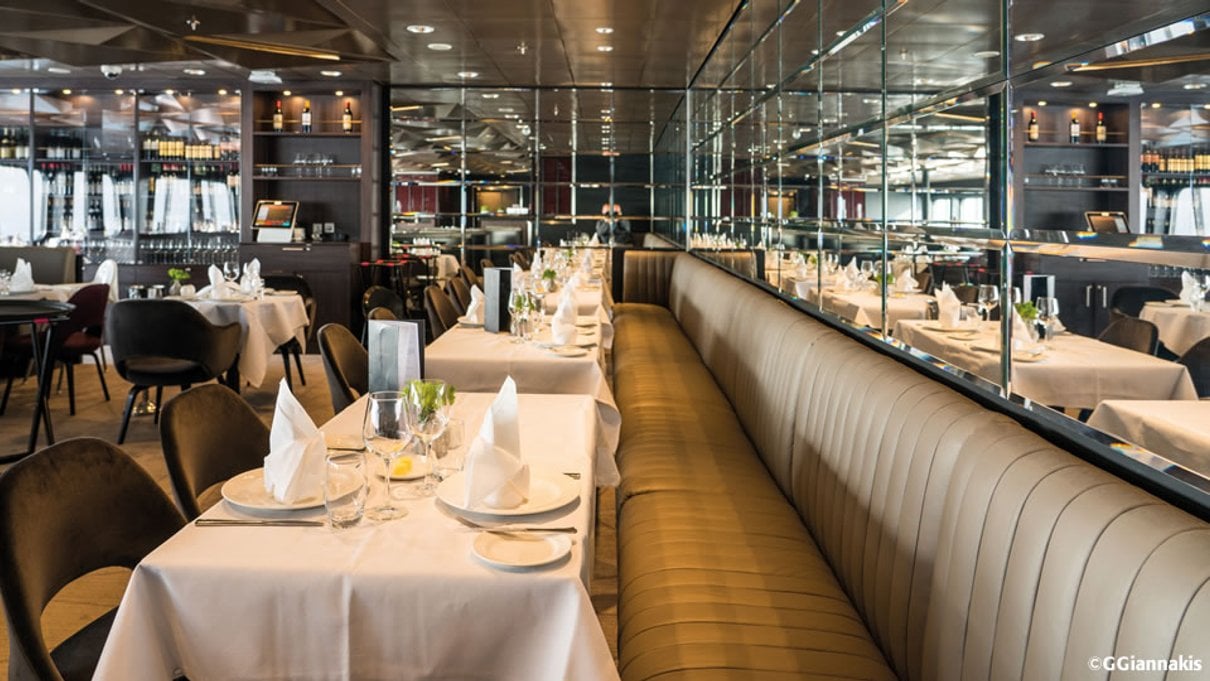
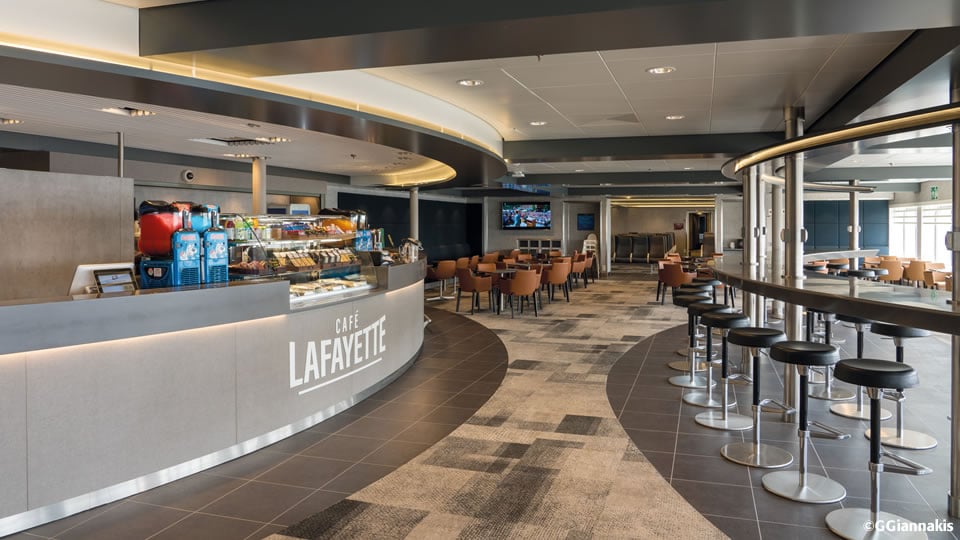
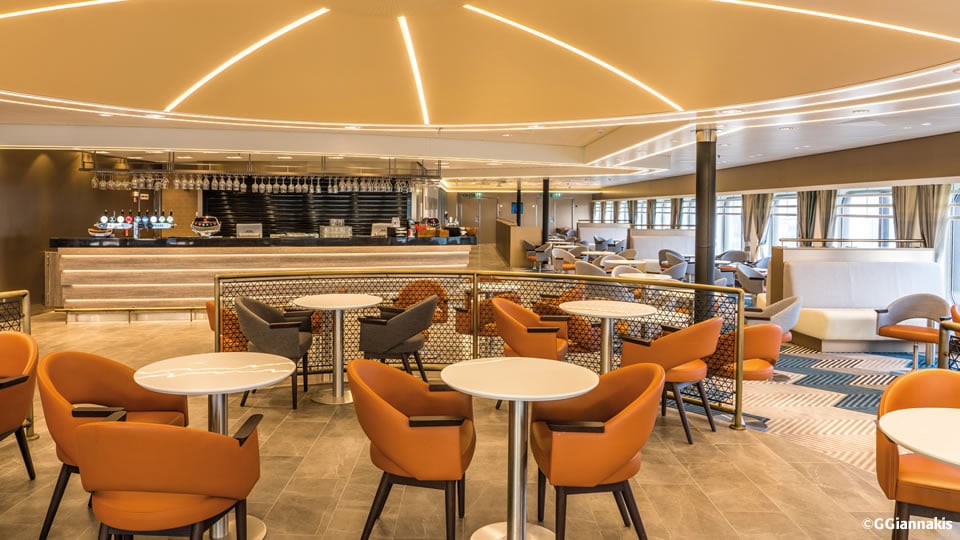
The route page identifies W.B. Yeats as a ship serving this crossing. Its description points to relaxing cabins and suites, public lounges, dining, cinema and shopping. The brand also states that the ship can carry vehicles and passengers, but capacity is background context rather than a promise about space on any particular departure. For the live schedule and sailing-specific information, the Dublin-Cherbourg route page is the useful starting point.
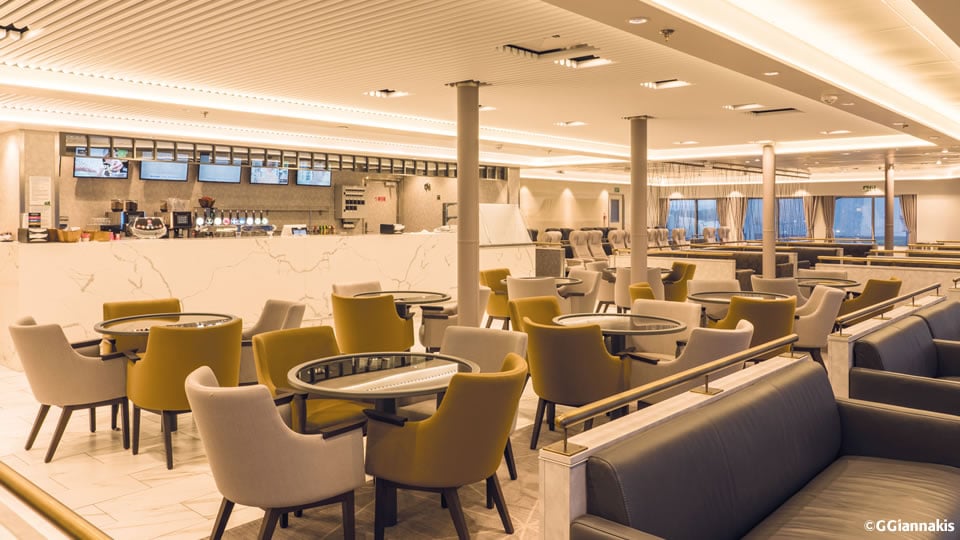
Onboard, the distinction to understand is between the crossing itself and the accommodation or lounge choice that sits around it. The W.B. Yeats page presents cabin types, reserved seating, restaurants and lounges. These details help readers imagine the pace of a longer sailing; they do not tell you what is available on your selected date, so check the booking flow and current ship information before making plans.
How does Sail & Rail change the journey?
Ireland-France Sail & Rail shows how the brand extends its story beyond the vessel. Its page outlines a foot-passenger Dublin-Cherbourg crossing followed by onward train travel arranged through Trainline. This can suit a car-free itinerary where the ferry gives you the cross-channel leg and rail carries you further into France.
The useful nuance is that the page describes two bookings, not one seamless ticket covering every connection. Irish Ferries tells passengers to book the ferry and then book the onward train. The rail operator does not treat these services as guaranteed connecting services, so travellers need to allow time for delays and missed connections. That is a real planning consideration, especially for a first-time visitor arriving with luggage or a tight onward schedule.

Before choosing this arrangement, map the whole sequence rather than only comparing the sailing. The store’s Sail & Rail information also discusses local transfers and station access. Some transfers are not included, and published schedules can change. Treat that as a prompt to verify the current route, connection times and the responsibilities of each booking provider.
- Start with your departure point: make sure Dublin is a sensible port to reach.
- Check the crossing: confirm sailing dates, arrival time and passenger arrangements.
- Plan the train separately: allow for delay risk and confirm station transfers.
- Keep the bookings clear: know which provider handles each leg if plans change.
This structure makes Sail & Rail a genuine option for independent planners, rather than a magic shortcut. If you want a single protected connection throughout, read the terms carefully and decide whether the separate-ticket arrangement matches your comfort with contingency planning.
Where do French stays fit into the brand?
Irish Ferries’ France pages also gather holiday ideas, from parks to destination stays. Parc Asterix is a recognisable example for families building a theme-park break into a broader trip. The brand’s UK store also lists Eurocamp holiday parks, Disneyland Paris, Pierre & Vacances and accommodation around Normandy. These options move the site from transport information toward trip inspiration.
For a first-time reader, the key is to decide what role the stay should play. A park-focused break may make the destination the main event, with the ferry simply providing the way there. A Normandy base may work as a starting point for coastal or historical visits. A campsite stay can suit a longer family break, while an apartment-style option may appeal to travellers who value their own routine. The brand’s listing pages are a directory of possibilities; compare location, inclusions and booking terms at the property level.
It is also worth keeping the division of responsibility in view. A holiday listing on the ferry site does not mean every detail of the trip is bundled into one booking. Check which elements are included, who supplies the accommodation and what happens if travel dates change. This is ordinary due diligence, but it matters when several providers or travel components sit beside each other in one branded range.
That breadth is a strength for browsing, though it can also make the offer feel broader than the core product. Readers who only need a ferry crossing can stay with route and ship pages. Those planning a full break can use the holiday section as a shortlist, then compare the property details against independent needs such as drive time, facilities and cancellation terms.
What should a first-time reader check before choosing?
We would begin with the map and the shape of the trip, then work through the booking details. These questions keep the brand’s range in perspective:
- Does Dublin-Cherbourg match your starting point and the part of France you want to visit?
- Will you take a vehicle, or are you comparing the foot-passenger and rail route?
- Do you need a cabin or a particular onboard facility for the length and timing of the sailing?
- If you add accommodation, is it in a location that supports the rest of your itinerary?
- Are the separate booking terms and change rules clear for each part of the trip?
These are not tiny details; they determine whether the range feels convenient or fragmented. A direct sailing can be appealing, yet a long drive to the port may change the calculation. Sail & Rail can remove the need for a car, yet it requires separate connection planning. A holiday park can simplify accommodation choice, yet the location and facilities need to match the group.
There is a reassuring amount of information to explore on the UK store: the Dublin-Cherbourg route, W.B. Yeats facilities, the Sail & Rail arrangement and Parc Asterix holidays each answer a different planning question. Returning to the exact page for current availability is important because routes, schedules and accommodation listings can change.
The brand’s limitations are mostly about scope and coordination. Its France story here is anchored by a route from Ireland, which will not be the most convenient departure for every UK reader. Its rail option involves separate bookings and contingency planning. Its holiday directory is broad, so it takes some comparison to move from inspiration to a stay that fits. Those are not reasons to dismiss the range; they are the questions to resolve before committing.
Ready to explore an Irish Ferries France trip?
Irish Ferries is worth exploring if you want to understand how a ferry crossing can sit alongside ship facilities, rail possibilities and France stay ideas. Its clearest story is the Dublin-Cherbourg connection and the W.B. Yeats experience, with Sail & Rail and Parc Asterix offering different ways to shape the rest of the trip.
Our recommendation is to start with the route that matches your real departure point, then add the onboard details and accommodation information you need. The honest limitation is that a range of adjacent services can mean more coordination, especially for rail connections and separate stay bookings. Use the brand pages to form a shortlist, and confirm live schedules, availability and terms before you commit.