







Planning to take your car across the Channel, but wondering whether the ferry will feel like a useful part of the trip or an awkward pause in it? Irish Ferries’ Dover to Calais route is built around that decision.
We looked closely at what the service includes, how the two ships differ and which travellers are most likely to appreciate the format. The headline is a crossing of about 90 minutes, but the right choice depends just as much on your vehicle, timing and expectations onboard.
The route is aimed at people who want to take a vehicle and continue their journey from Calais. It can also suit foot passengers and cyclists, subject to the booking options shown for the chosen sailing.
Disclosure: this post includes affiliate links, and we may be paid a commission on purchases made through them.
The short version: Irish Ferries’ Dover to Calais service is a practical fit for drivers who value taking their own vehicle and want a short sea crossing. The Oscar Wilde and Isle of Inishmore both serve the route, but facilities can vary by ship and sailing, so check the live booking details before deciding.
What does the Dover to Calais crossing actually offer?
The central proposition is straightforward: sail from Dover to Calais with your vehicle, then continue by road in France. Irish Ferries lists the crossing at approximately 90 minutes. That time is at sea, so the full door-to-door journey also includes the port check-in process, boarding and disembarkation.
For a France break, the advantage is the freedom to bring the car and the items that make sense for your plans. Families can keep familiar equipment close, while a road-trip itinerary can begin in Calais without arranging a hire car at the other end. The service also lists options for vehicles such as motorcycles, vans and motorhomes; dimensions and vehicle use matter when selecting the booking. The route details and Oscar Wilde facilities help clarify the fit.
Irish Ferries presents the Dover to Calais crossing as a frequent service, but the timetable and available departures depend on the date. We would treat the booking calendar as the source of truth rather than assume a preferred sailing will always be available. Check Dover to Calais availability alongside the Isle of Inishmore ship page.
- Vehicle-first planning: enter the correct vehicle category and dimensions, including any trailer or caravan details.
- Short time at sea: the approximately 90-minute crossing keeps this a compact break in the journey.
- Facilities vary: the ship assigned to a sailing affects what is available onboard.
- Flexible itinerary: arriving with your own vehicle makes onward travel easier to shape around your plans.
That mix makes the route easiest to evaluate as transport for a road trip, rather than a mini cruise. The ship can make the wait more comfortable, but the main value is getting you and your vehicle across.
Which Irish Ferries ship might you sail on?
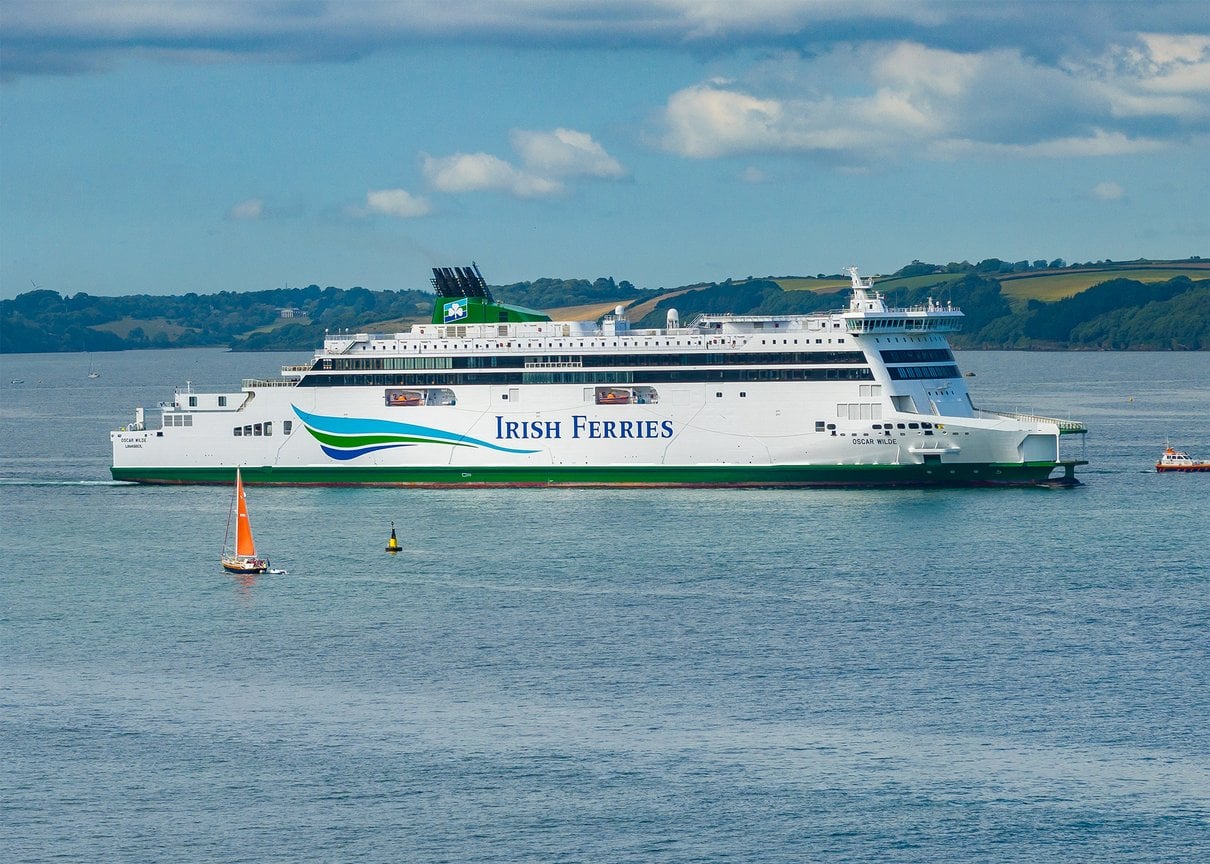
The two named ships on the route are the Oscar Wilde and Isle of Inishmore. Irish Ferries describes Oscar Wilde as having restaurants, a shopping area, a children’s play area, a Club Class lounge and a Pet Den Lounge. That gives families and pet owners useful facilities to look for when checking the sailing details.
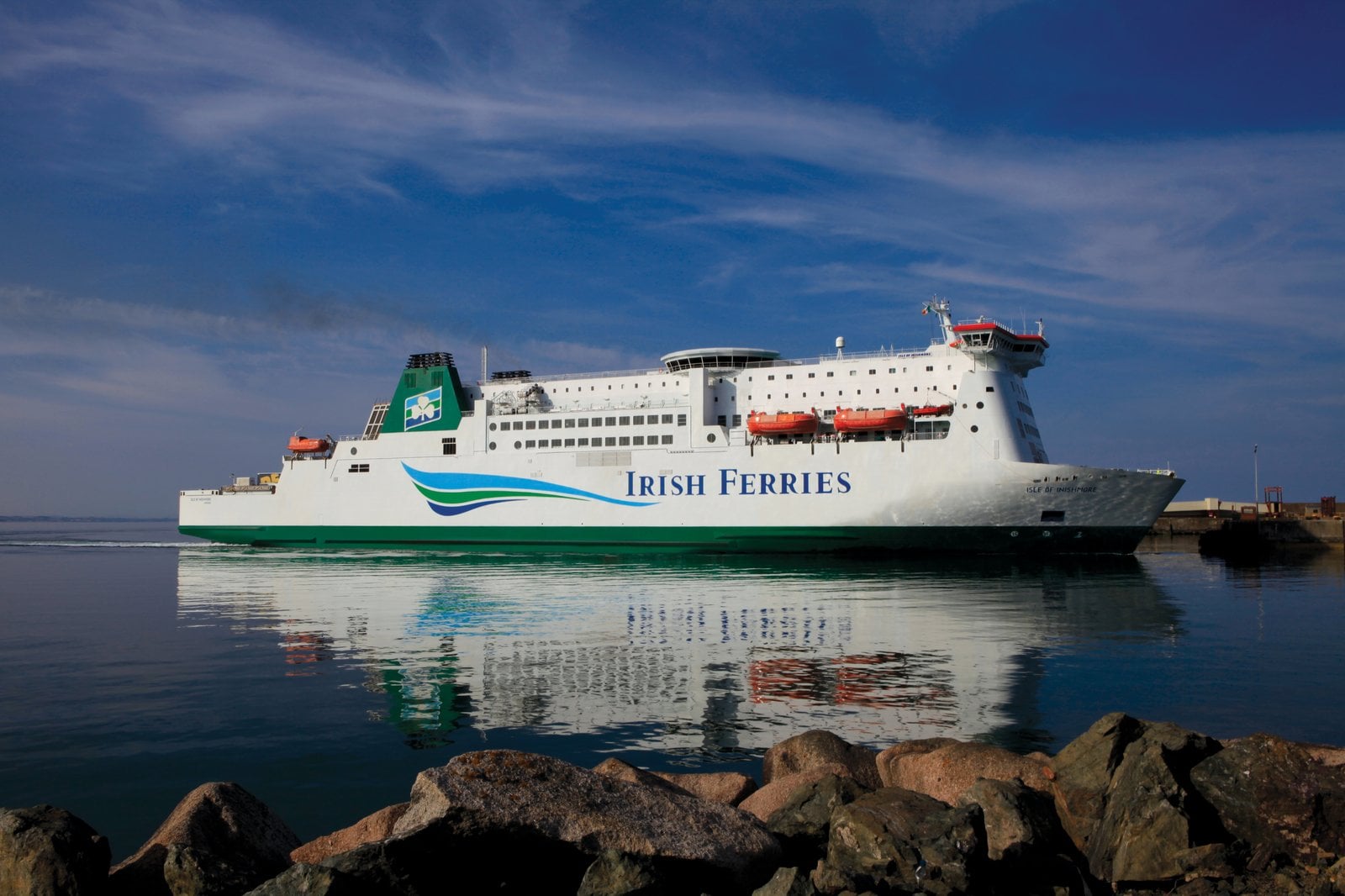
Isle of Inishmore offers a different onboard mix, including Boylan’s Brasserie, Café Lafayette, a shop, a Pet Den Lounge and Club Class. There are indoor places to sit and eat, along with outdoor decks for passengers who want a little fresh air. The ship’s own page is worth opening if a particular lounge or café will make a difference to your crossing. Compare Isle of Inishmore facilities with Oscar Wilde facilities before choosing.
We would not choose a departure on the assumption that every listed facility will be open throughout the sailing. Some offerings have operating conditions, and onboard space or opening hours can change. Use the ship page and booking flow to confirm the details for the trip you are considering. Review Oscar Wilde and Isle of Inishmore for the onboard options.
How does the onboard experience work for a short trip?
On a crossing this short, the onboard experience is about choosing a comfortable place for a quick reset, not filling a full day at sea. Club Class is the upgrade to consider if a quieter lounge setting and the listed lounge benefits are worth the added fare to you. Availability and how it is included can depend on the ship and booking.
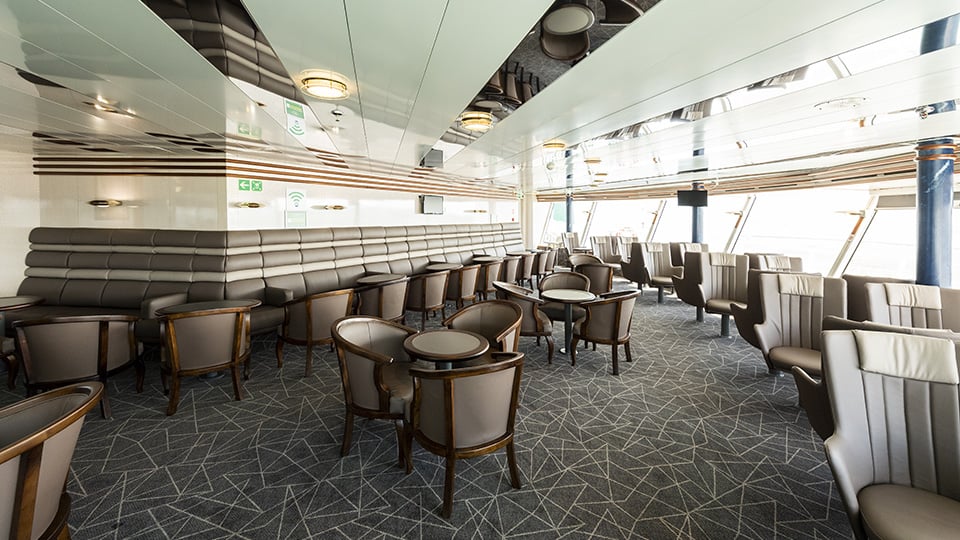
For food and drink, Irish Ferries lists Café Lafayette and Boylan’s Brasserie among the facilities on Isle of Inishmore, with food outlets also available on Oscar Wilde. A café stop may be all you need on a short daytime sailing; families or anyone arriving hungry may prefer to check menus and opening information ahead of time.
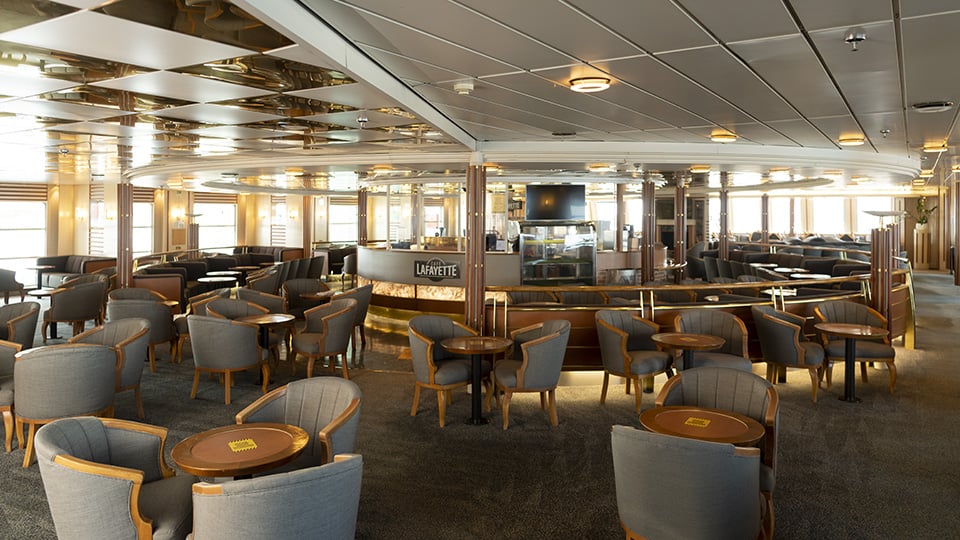
There is also a useful distinction between the route and the ship. Irish Ferries’ route page lists a Pet Den Lounge on both Oscar Wilde and Isle of Inishmore, but pet arrangements should be selected and confirmed during booking. The same goes for accessibility needs: contact the operator in advance if you need help at the port or onboard, then verify the exact facilities on the sailing assigned to you. Check route arrangements and Isle of Inishmore facilities as part of that check.
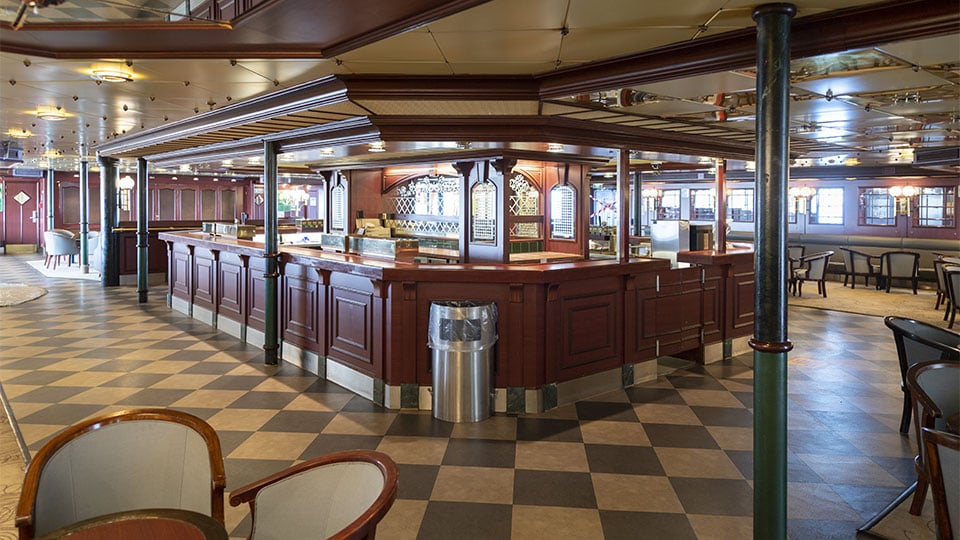
Retail is another small bonus rather than the reason to book. The Isle of Inishmore page lists duty-free shopping, while Oscar Wilde has an onboard shopping area. If browsing is part of the appeal, look at the ship assigned to your sailing and any ordering information on the operator’s site.
- Choose a sailing by its timing first, then confirm the ship and facilities.
- Check whether pet, accessibility or vehicle arrangements need to be selected separately.
- For food, lounge access or shopping, read the ship page rather than assume every option is identical.
For most travellers, an ordinary seat and a snack may be plenty for this crossing. The value of an upgrade depends on personal comfort and what is included for that departure, so compare the details before adding extras. The Isle of Inishmore page and Oscar Wilde page describe ship-specific facilities.
What should you check before booking?
The booking process is most helpful when you have your travel date, party size and vehicle information ready. Irish Ferries asks travellers to identify how they are travelling and, where relevant, provide the vehicle’s dimensions. If the vehicle details are wrong, the company says it may reprice the booking at check-in, so take care with roof loads, trailers and vehicle category.
Fares are not fixed across every trip. They can vary with the date, departure time, vehicle type and availability, while add-ons can affect the total as well. The sensible approach is to compare the current sailings for your dates and review the terms attached to the fare before paying. Start with current route options and confirm the ship information shown for your trip. Do not assume a short return trip and a longer holiday have the same change conditions.
For the same reason, we would treat the live Dover to Calais timetable and booking summary as the definitive source for departure availability, check-in instructions and fare rules. The crossing duration does not include the time you should allow at the port, so follow the check-in guidance for your sailing. Confirm the route information and assigned ship details before departure.
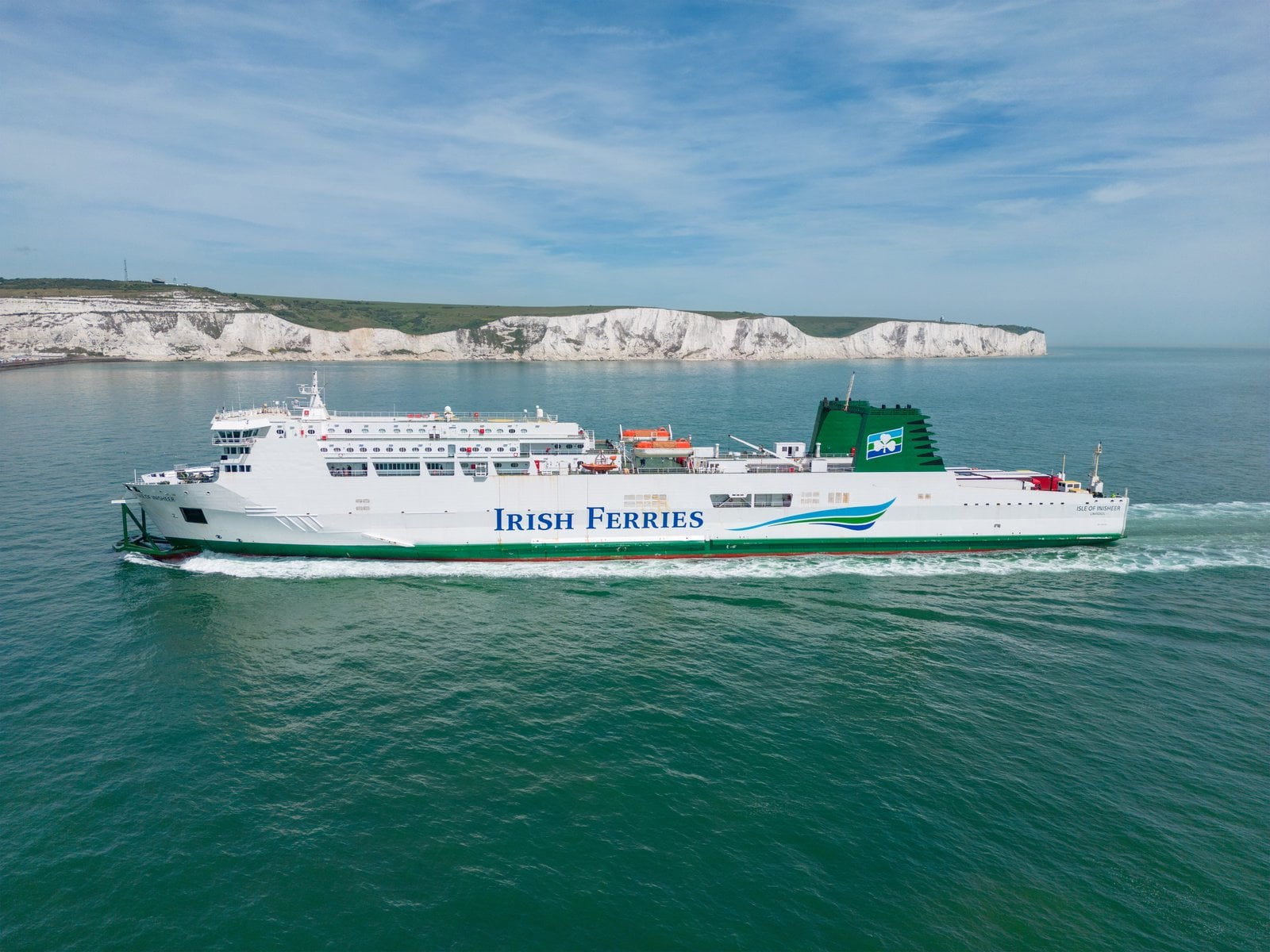
One point we would keep in mind is that the route is a vehicle ferry first. If you are travelling without a car, check that the selected sailing accepts your passenger type and that port access works for your plans. If you are driving, the benefit is having your own transport in France, but that also means factoring in the drive to Dover and onward driving after Calais.
Pet travel deserves its own check rather than a quick assumption. Irish Ferries offers pet facilities on the named ships, but the way a pet can travel and whether a space must be reserved will be specific to the booking. Have the required travel documents ready and confirm the current rules for your destination as well as the operator’s onboard arrangements.
Where are the strengths, and what are the limits?
The strongest case for Irish Ferries Dover to Calais is uncomplicated: drivers can bring their own vehicle, the time at sea is relatively short, and the route gives a direct port arrival in northern France. The ship facilities add breathing room to a travel day, particularly for families and passengers who appreciate a café, lounge or outdoor deck.
There are meaningful caveats. The crossing is not the whole journey, fares move with date and vehicle details, and the ship’s facilities are not interchangeable. Driving to Dover and onward from Calais may be a drawback if your holiday is centred elsewhere or if you do not want to drive. Foot passengers should confirm practical access before booking rather than assume the route works just like a rail or air terminal.
- Strength: useful for road trips where taking your own car or motorbike matters.
- Strength: the short crossing limits the time spent at sea.
- Limit: check-in, port time and driving remain part of the overall journey.
- Limit: vessel assignment affects the onboard facilities you can expect.
We would recommend the service to drivers planning a France trip who want to keep their own transport, particularly when the route and sailing time align with the destination. It is less compelling if you only want the fastest possible door-to-door option or if you would rather not manage a vehicle on either side of the Channel.
Readers choosing between the ships can review Oscar Wilde and Isle of Inishmore alongside their preferred departure. For this route, that comparison is more useful than treating one ship as automatically better: the assigned sailing, needed facilities and fare conditions should lead the decision. Check available departures and compare the Isle of Inishmore against Oscar Wilde.
Ready to compare Dover to Calais sailings?
Our recommendation is to shortlist the route if taking your own vehicle is central to the France trip, then compare actual departures and the ship details before settling on a fare. It offers a clear, practical proposition, with a short crossing and facilities that can make the port-to-port leg more comfortable.
The limitation is equally clear: your total journey includes port procedures and driving, and the available onboard experience depends on the sailing. Check the vehicle details, fare rules and current facilities carefully; if those line up with your plans, Irish Ferries is a sensible option to consider.