








When a France trip starts with a practical question – how do we cross, and what happens after we land? – a ferry brand can be more than a timetable. Irish Ferries brings several parts of that planning into one travel range.
For a first visit, the useful thing to understand is the shape of that range. From the UK, the brand offers the Dover-Calais crossing; its wider France pages also set out the Ireland-France route and rail option for foot passengers and holiday park stays. These are related choices, but they answer different travel needs.
We have used the brand’s published UK store pages for this introduction. They show a transport business whose customer-facing story is built around connecting a sea crossing with the rest of a trip, rather than asking every traveller to plan in the same way.
Disclosure: this post includes affiliate links, and we may be paid a commission on purchases made through them.
The short version: Irish Ferries is worth a look if you want to compare a UK-France car crossing with a broader set of ferry, rail and accommodation choices. Start with Dover-Calais for a direct departure from Britain; look at Sail & Rail if you are travelling on foot via Dublin and Cherbourg; consider Eurocamp when the stay itself needs planning too.
Why does this ferry brand stretch beyond a crossing?
The clearest introduction to Irish Ferries is not a founding date or a slogan. It is the way the UK France store puts transport and trip planning alongside each other. A visitor can move from route information to ship details, onward rail guidance or a holiday park search, depending on what the journey needs.
That breadth matters because ferry planning is rarely just a question of getting from port to port. A driver may need to know which departure suits a road itinerary and what facilities are available on board. A passenger without a car may need to understand the port-to-train link between the port and the next train. A family may want to settle the accommodation question at the same time. Irish Ferries gives each of those needs a place in its France offering.
The store’s practical proposition is choice across the journey. That does not mean every service belongs in one booking, or that every option suits every traveller. It means the brand’s range gives readers a few different starting points. The Dover-Calais ferry route, Ireland-France Sail & Rail and Eurocamp France holiday parks are useful examples of that wider map.
- Route choice: the UK store covers a direct Dover-Calais crossing as well as Ireland-France travel information.
- Different travel modes: Sail & Rail is presented for foot passengers combining sea and train travel.
- Trip context: holiday park pages add accommodation and destination detail to the transport side.
- Onboard planning: ship pages describe facilities that can shape the crossing experience.

What makes Dover-Calais the clearest UK starting point?
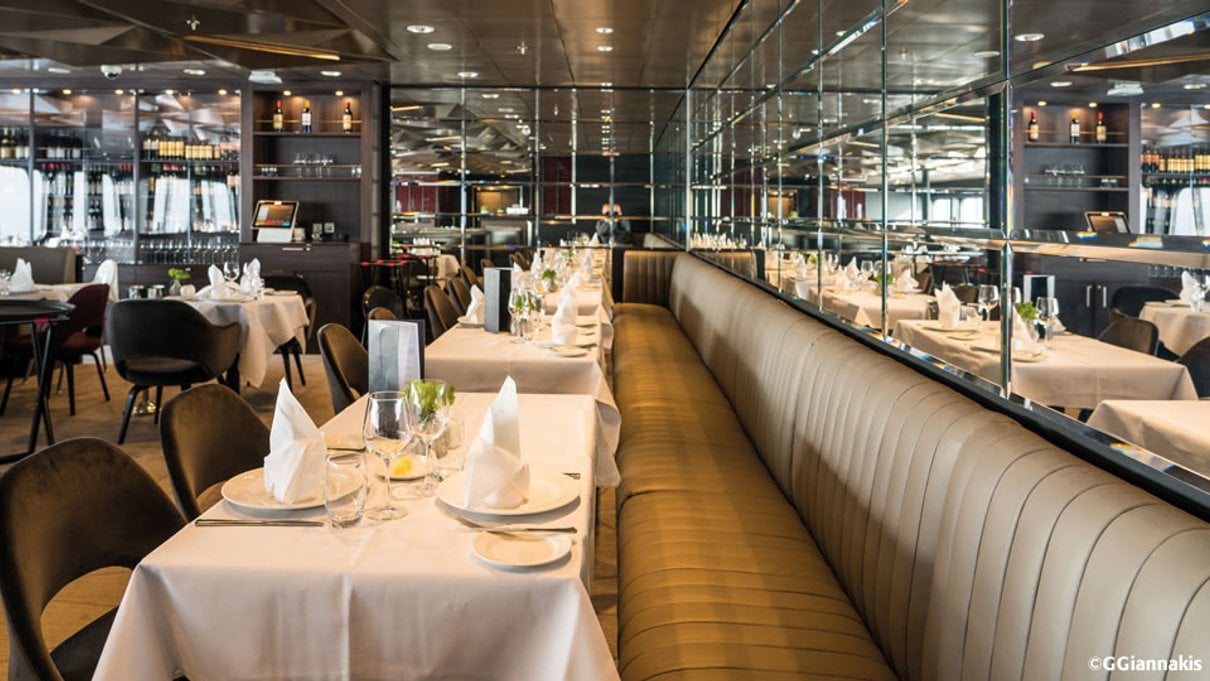
For a traveller leaving Britain, Dover-Calais is the most straightforward part of the story. Irish Ferries presents it as a car route to France, with Oscar Wilde and Isle of Inishmore listed among the ships on the service. That makes the page a practical first stop for people planning to take a vehicle across, rather than a general catalogue page.
There is useful context beyond the departure itself. The route information points readers towards onboard spaces and services, including dining, a shop, a children’s area and pet facilities. Onboard details can matter more on a longer travel day than they do in a simple route search, especially when a group has different needs. We recommend checking the ship and sailing information for the date you have in mind, rather than assuming the same onboard setup applies to every departure.
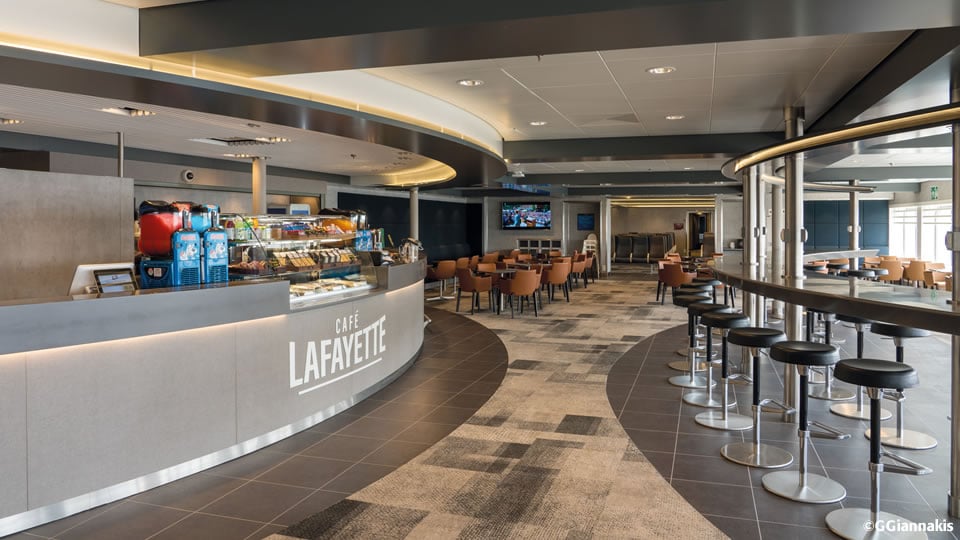
The brand’s route page is also where a traveller can start weighing up the practical variables: departure time, vehicle type, who is travelling and what they need while aboard. Those details can affect availability and the fare shown during booking, so an evergreen overview cannot give a reliable quote. Open the current Dover-Calais route details when your dates and vehicle information are to hand.
- Check the route’s current timetable and sailing availability against your dates.
- Use the vehicle details you expect to travel with when reviewing booking options.
- Read the ship information if onboard facilities matter to your group.
How does Sail & Rail change the shape of the trip?
Ireland-France Sail & Rail broadens the picture beyond a car crossing. Irish Ferries describes a foot-passenger sailing from Dublin to Cherbourg alongside onward rail planning. That combination can suit someone who would rather continue by train than drive after arriving in France, although it calls for a little more coordination than a single ferry booking.
Sail & Rail is a travel format, not a train that leaves the ferry. The Sail & Rail page sets out the port transfer and onward train steps. Check the sailing and station connection as one itinerary, with a sensible margin for the handover.
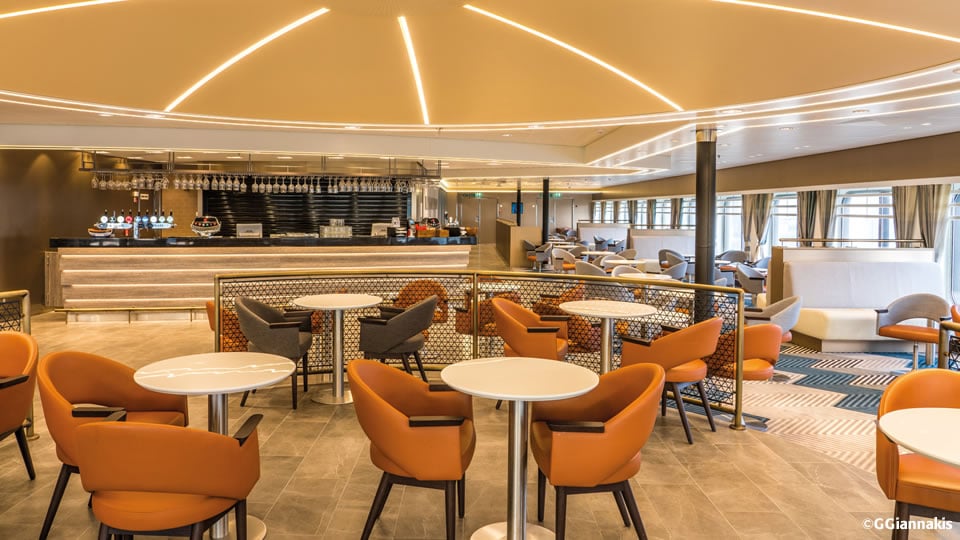
Ship pages give readers another way to check what the crossing may involve. Looking at spaces such as reception and lounges can help a group decide which onboard details matter to them.
For people who do not need a car at the destination, the attraction is the sea-and-rail combination and its car-free appeal: one crossing followed by a rail leg. The trade-off is that travellers must be comfortable with the departure point in Ireland and the connections on both sides of the ferry. It is not an alternative for someone who simply wants the shortest journey from England to France.
This option reflects the brand’s broader approach: some readers plan around mode as much as port. Before choosing it, confirm the current process on the Ireland-France Sail & Rail page, including what each part covers and the transfer guidance. That detail determines whether rail offsets the extra planning.
- Confirm that Dublin and Cherbourg fit the route you want to travel.
- Review the foot-passenger sailing details and arrival timing.
- Arrange the onward train and check port-to-station transfers on both ends.
- Keep the ferry and rail references accessible while planning connections.
What do holiday parks add to the picture?
The third strand is accommodation. Irish Ferries’ UK store links to Eurocamp France holiday parks, where park pages describe places to stay and facilities around them. This makes the brand’s travel range more useful to readers who want to think about the crossing and the stay together, even though the choice of park still needs its own research.
Park names such as Domaine de Drancourt make the offer more concrete than a general promise of a French holiday. A page can show the setting and facilities, helping a reader decide whether a park looks suited to a family break, a base for exploring or a more activity-led stay. The pool and wider grounds pictured here are examples of what the destination page can help you assess, not a guarantee that every park has the same facilities.
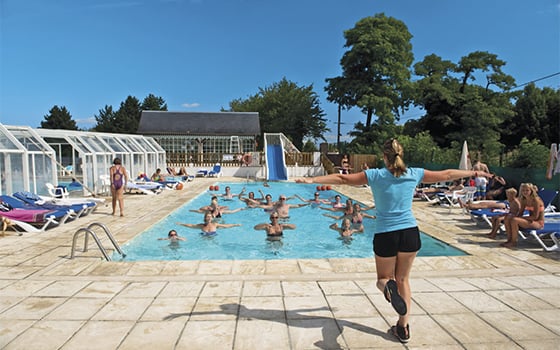
The Eurocamp park collection makes the accommodation choice more specific. Compare destinations, accommodation types and facilities for each park, then read the individual description rather than relying on the category page alone.
There is a natural limit. A holiday park is not automatically the right base for every itinerary, and the transport and stay may have separate terms, availability and booking steps. A town-focused trip, a short stop or a journey that moves between regions may be better served by other accommodation. The Irish Ferries store is a useful route into the options, not a substitute for deciding what kind of France trip you want.

- Compare the park’s location with your port and likely driving route.
- Read the accommodation description and facility list for that specific destination.
- Check the current availability and booking terms before building other plans around a stay.
Where does the range ask travellers to do more planning?
Irish Ferries is strongest when the traveller can identify the job to be done: cross from Dover to Calais by car, connect a Dublin-Cherbourg sailing with rail, or add a park stay to a France itinerary. The site gives these choices separate routes into the offer, which is helpful for a first-time reader trying to understand what is actually available.
The range is less simple when a traveller expects one option to solve every part of the trip. Routes, rail, accommodation and onboard facilities each come with different details to check. Compare what is included, what you arrange independently and how the departure fits the journey.
- Origin: choose a departure port that works for you.
- Travel mode: decide whether you need a vehicle or rail connections.
- Stay: check that accommodation fits the route and itinerary.
There is also a geography question. The brand name can suggest an Ireland-first company, while this article focuses on the UK store and its Dover-France option. Both are part of the broader picture, but a UK reader should begin with their actual port and mode rather than assume every Irish Ferries service leaves from Britain. The Dover-Calais route is the relevant UK departure; Sail & Rail starts from Dublin.
How can a first-time reader navigate the range?
The brand is worth exploring if you are planning a France trip and have some flexibility over how the journey comes together. Drivers can begin with the UK crossing; foot passengers can investigate the sea-and-rail route; travellers who want a defined place to stay can compare the park range. That breadth is the main reason a first-time visitor might spend time with the store.
We would start with three practical questions: where do you want to depart, will you take a vehicle, and have you chosen a place to stay? If your answer to the first two is Dover and car, open the Dover-Calais page. If you are travelling on foot via Ireland, read the Sail & Rail steps closely. If the stay is still undecided, browse the park collection and compare locations as carefully as facilities.
Ready to map your France trip?
Our recommendation is to use Irish Ferries as a trip-planning starting point when you want to see how a crossing, onward travel and a stay could fit together. The brand’s range gives first-time readers distinct starting points, while the pages make clear that route, rail and accommodation choices need different checks.
The honest limitation is that more choice means more coordination and separate checks. A route page cannot decide your onward drive, a rail combination depends on connections, and a holiday park needs to suit the location and pace you want. Begin with the component that matters most, verify the current details on the relevant UK store page, and build the rest around it.