








Some shows arrive with a familiar story and leave you wondering how a stage production can make it feel newly mischievous. Matilda The Musical has built its London identity around that question.
This is a get-to-know-the-brand guide for first-time readers: how the Royal Shakespeare Company production took shape, what creative choices define it, and which official pages help you decide whether a visit suits your party. We have reviewed the UK production information and resources, rather than attending or testing the show.
The useful distinction is that the brand is more than the title of a beloved Roald Dahl book. It is a long-running stage production with its own book, songs, visual world and visitor support.
Disclosure: this post includes affiliate links, and we may be paid a commission on purchases made through them.
The short version: Matilda The Musical is a Royal Shakespeare Company production based on Roald Dahl’s story, with a book by Dennis Kelly and original songs by Tim Minchin. Its strongest point of difference is the combination of irreverent storytelling, a distinctive theatrical design and practical access resources. Newcomers should start with the story and content advisory, then check official performance information.
How did Matilda move from a book to a stage identity?
The official account traces the musical’s development to an RSC project that began in 2003, following approaches from the Roald Dahl Estate. Writer Dennis Kelly, director Matthew Warchus and composer-lyricist Tim Minchin shaped the adaptation, alongside a wider team working across design, sound and illusion. That combination matters: it signals an adaptation built for live theatre, rather than a simple retelling with songs added.
The production premiered at the RSC’s Courtyard Theatre in Stratford-upon-Avon in 2010, then transferred to the Cambridge Theatre in London’s West End in 2011. This history gives the London engagement a clear institutional home, while the official site separately directs readers to the UK and Ireland tour. For a first visit, keeping those two routes distinct is useful: the London page describes the Cambridge Theatre production, while touring dates and venues sit on a separate official site.
The creative lineage also gives a new reader a practical way into the show. If you know Dahl’s story, consider how the stage team translates its comic rebellion into music, movement and theatrical effects. If you do not, the official show overview is the best first stop, followed by the story synopsis and cast information. The RSC connection provides context, but the work’s identity comes from the collaboration itself.
- Source material: Roald Dahl’s story of a gifted child navigating an unfair adult world.
- Book: Dennis Kelly’s stage adaptation.
- Music: original songs by Tim Minchin.
- Production home: the Cambridge Theatre in London for the West End engagement.
What gives the production its recognisable tone?
Matilda’s world depends on a deliberate clash: childhood imagination meets rigid authority. The official synopsis frames the central character as an extraordinary girl who dares to change her own destiny. That premise helps explain why the show can be playful and pointed at once. Its comedy is not simply decoration; it grows from the gap between Matilda’s curiosity and the adults who underestimate her.
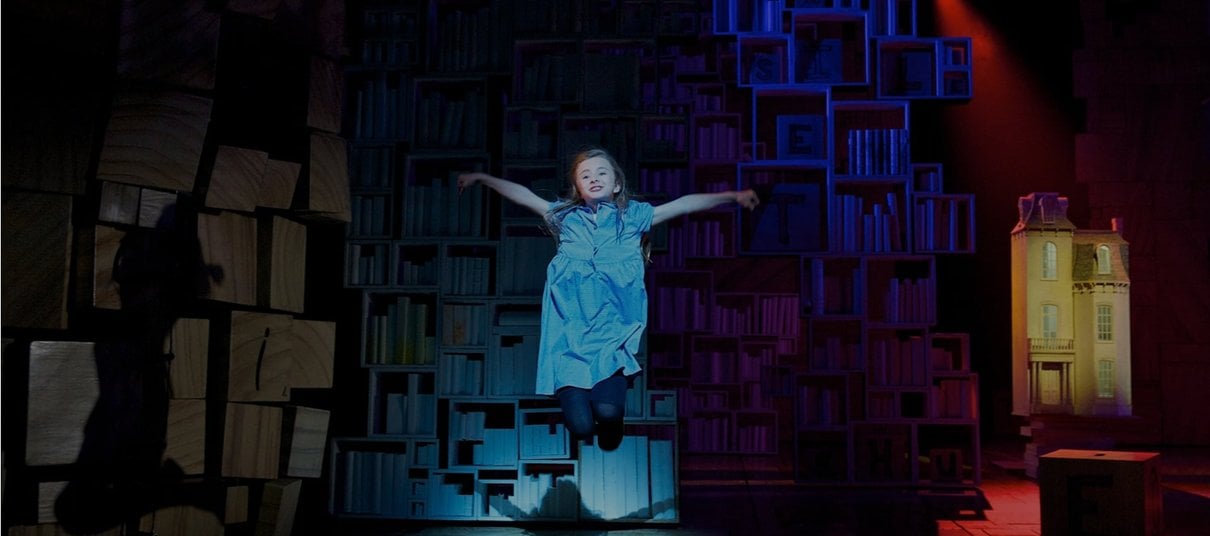
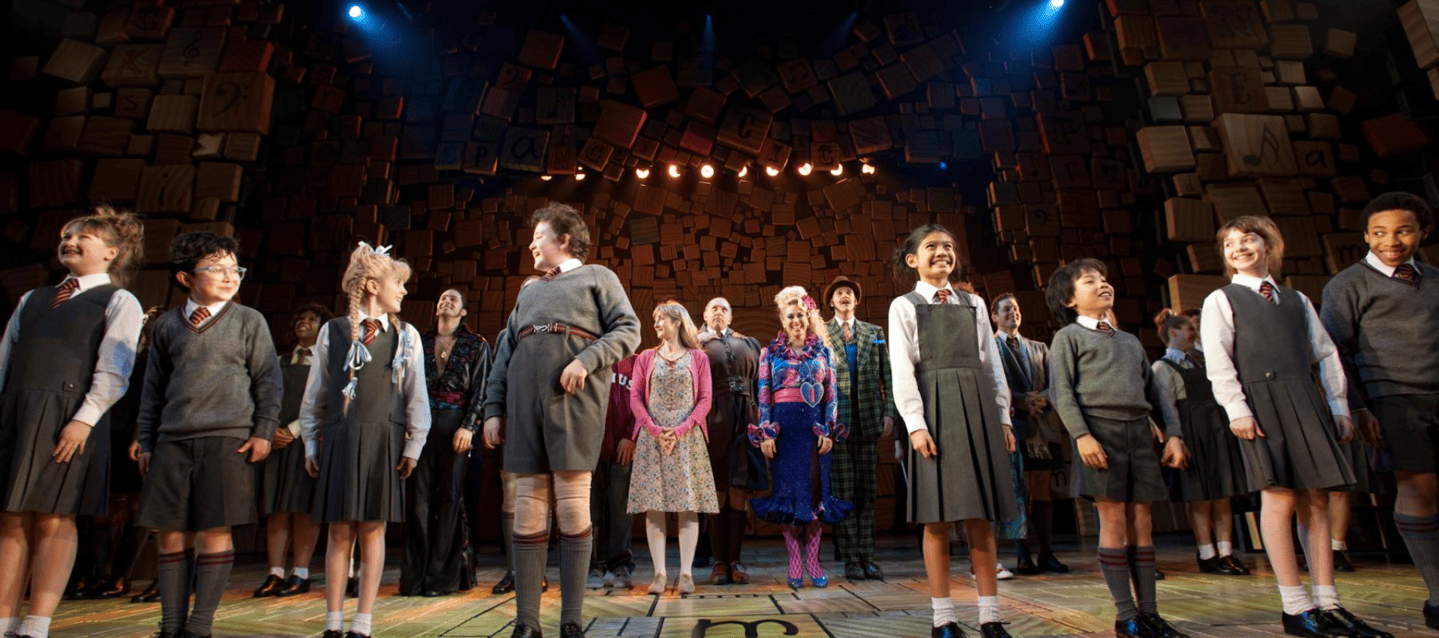
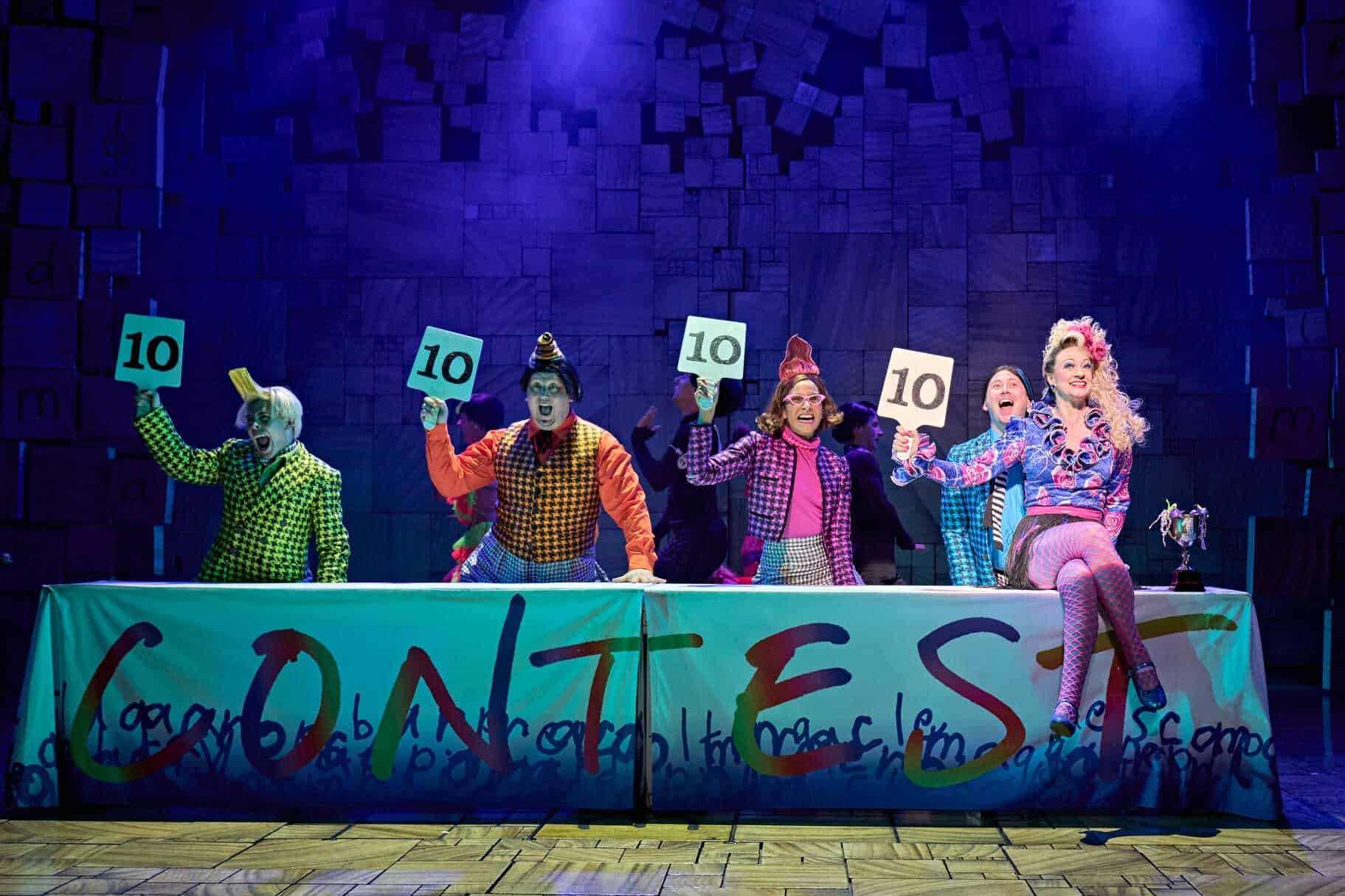
On stage, the creative team supports that contrast through a theatrical language that can shift from schoolroom order to unruly fantasy. The official site credits Rob Howell with design and Paul Kieve with illusion, while Peter Darling is associated with choreography. We would describe this as a production where the visible craft is part of the storytelling: design, movement and stage magic help make a child’s perspective feel expansive.

That makes Matilda The Musical a natural fit for readers who enjoy family stories with wit and a slightly anarchic edge. It may also interest theatre-goers who like to notice how a familiar story is re-engineered for a live room. The limitation is tonal: the story includes conflict and intimidating adult characters, so families should read the content advisory rather than assume that a familiar book automatically makes the performance gentle for every child.
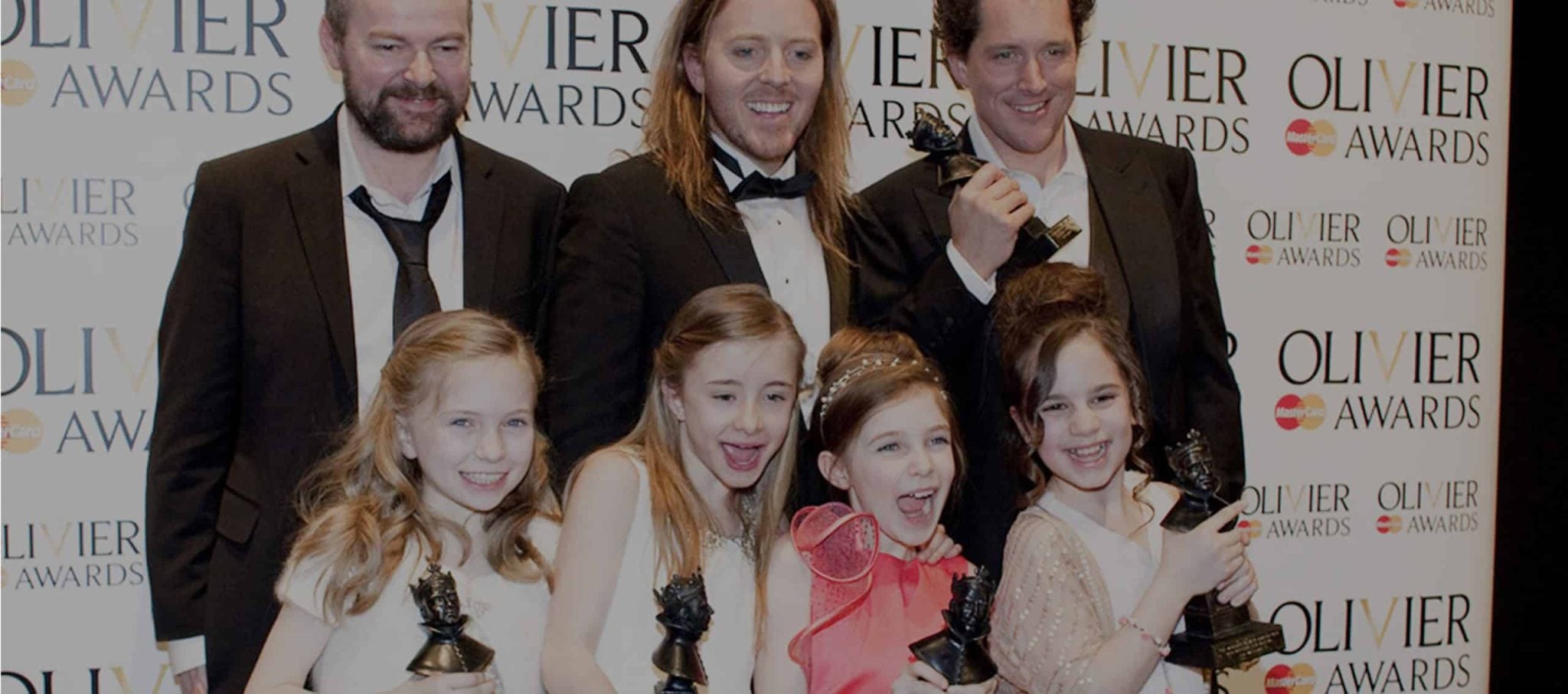
The company describes the production as having reached audiences in many cities and notes its international awards record. Those are useful signs of longevity and reach, but they do not tell an individual visitor whether the style will suit them. Our more grounded recommendation is to use the creative credits, synopsis and advisory together: they communicate the show’s comic energy, theatrical ambition and content in a way a reputation alone cannot.
Which official resources help a first-time visitor?
The UK site is organised around the London production, with separate pages for tickets, cast and creative, galleries, FAQs and assisted performances. That makes it more useful than a generic brand landing page when you have practical questions. It also gives you a route to understand the production before deciding on a performance.
Three official performance pages are particularly concrete. The Matilda The Musical Chilled Performance page outlines relaxed adjustments intended to make the environment more comfortable, while the Matilda The Musical Captioned Performance and Matilda The Musical Audio Described Performance pages explain specific access formats. You can revisit the chilled format details, captioning information and audio description guidance while weighing which arrangement fits. These are not interchangeable labels: each describes a different way of supporting access, and the details should guide your decision.
- Read the Matilda The Musical Chilled Performance information if a less restrictive environment may help your group.
- Open the Matilda The Musical Captioned Performance page to understand caption access and the scheduled format.
- Review the Matilda The Musical Audio Described Performance details if audio description is relevant.
- Use the official FAQs and ticket information for booking and venue questions.
The brand also publishes preparation materials, including visual and sonic stories, and notes touch tours for audio-described performances. These resources are valuable because they let visitors prepare in their own way, before arriving at the theatre. The chilled performance page, captioned performance page and audio-described performance page are the best starting points for format specifics. We recommend checking the page linked to the exact performance format you are considering; availability and practical arrangements can vary by date.
For families, the official content advisory is essential reading. It notes flashing lights, lasers, loud sound effects, popped latex balloons, stage haze and actors interacting in audience spaces. The site gives age guidance and explains its admission policy for younger children, while also identifying relaxed performances as a different context. Those details are more actionable than a broad statement that a show is family-friendly. If these factors matter for your party, read the relaxed performance notes and audio description notes directly.
What does the official range include beyond the performance?
In this case, “range” means the official ways into the production rather than a conventional retail collection. The main choices are the London engagement, the separate touring production, accessible performance formats, and supporting content such as galleries, cast details, FAQs and educational resources. The official homepage also points to a soundtrack and behind-the-scenes material.
For a first-time reader, each option has a distinct job. Tickets help you assess dates and seats; the cast and creative page identifies the company connected to a particular period; galleries offer a visual introduction; assisted performance pages explain access arrangements. Readers planning a school or group conversation may find the dedicated schools information more relevant than the standard booking path.
There is also an official merchandise destination linked from the site, but the musical’s core offer remains the theatrical production. Because the store is hosted separately, we keep this guide focused on the UK production pages and visitor resources. You can compare the official production background, gallery and cast and creative credits before choosing. That is the clearest editorial choice for someone trying to understand what the brand stands for: the story and the staging come first, while related material supports the experience.
One practical note: the homepage may surface promotional ticket options and seasonal messaging. Those can change, and a backdated article should not treat them as enduring features. Check the official ticket page alongside the scheduled captioned options and chilled performance information for the precise date. Instead, use the official ticket page to review what applies to the performance date you are considering, and check all conditions directly before committing.

Who is likely to connect with this brand?
Matilda The Musical is an appealing starting point for readers who want a familiar story interpreted through live performance rather than a straightforward book adaptation. Families with school-age children may recognise the central themes, while theatre fans may be drawn to the creative credits and the production’s long West End history. The accessible performance information also gives visitors a reason to investigate the official site more carefully.
It is less straightforward for a party that wants a quiet, low-stimulation outing without checking details first. The production includes effects and audience interaction, and the show’s comic conflict may not be every child’s preference. That is not a judgement on the work; it is a reminder that “family musical” is too broad a description to replace the content advisory.
- Start with the story if you want to know whether the themes suit your group.
- Check access formats if a specific adjustment could make the visit more comfortable.
- Confirm the venue and date if you are comparing London with the touring production.
- Use the FAQ for arrival, age and booking questions that affect your plans.
Our expert-style view is that the brand’s clearest strength lies in the joined-up creative identity: a recognisable source story, a defined writing and music team, and a theatrical world supported by official visitor information. That gives newcomers several ways to decide whether to engage, instead of relying only on reputation. Its main limitation is equally clear: a story’s familiar title cannot tell you whether the live effects, tone or venue logistics suit your party.
Ready to explore Matilda The Musical?
If the mix of Dahl’s story, Kelly’s book and Minchin’s songs sounds like your kind of theatre, begin with the official synopsis and then look at performance dates. For families or visitors with access needs, read the content advisory and the relevant assisted performance information before choosing. We recommend using the official UK pages because they connect the London production with the details that matter to a first visit.
The honest caveat is that practical suitability depends on your group and the date: effects, audience interaction, access arrangements and seat availability all deserve a direct check. Once those fit, the official site offers a coherent route from creative background to booking information.