







I have always thought golf has a slightly comic way of making simple things feel complicated. One week it is the driver, the next it is the putting stroke, and suddenly you are watching three contradictory swing videos before breakfast. Performance Golf has built its identity around solving that exact feeling of confusion. The brand brings together coaching, technology, practice tools and golf equipment with one central promise: help each golfer work on the right thing at the right time, in the right order.
That makes this more than a shop full of clubs. It is a connected game-improvement system for people who want a clearer route to better golf, whether they are returning after a long break, trying to break 100, or simply hoping to enjoy the next round a little more. The company says it is trusted by more than 1.5 million golfers, and its range gives that big idea some very tangible places to begin. You can browse the Performance Golf collection, explore the coaching options, or start with one small practice change.
- Personal guidance: recommendations are designed around the golfer, rather than a generic list of tips.
- Expert instruction: lesson libraries and coaching help turn advice into a repeatable plan.
- Smart technology: assessment and swing-focused tools make practice more purposeful.
- Connected equipment: clubs, balls and training aids support the same improvement journey.
The story behind the system
The central idea from Performance Golf is refreshingly practical. Most golfers do not need more noise; they need a useful next step. The brand describes itself as a personalized game improvement system, pairing elite coaches and real innovation with content that fits a golfer’s own path. In other words, the point is not to collect every possible lesson. It is to understand what is costing you strokes and practise that skill with some consistency.
The brand’s stated mission is to help millions of golfers turn confusion into clarity, frustration into confidence and potential into progress. I like the emotional honesty in that framing. Golf is not only a scorecard exercise. It is also the feeling of standing over a shot without immediately assuming it will go wrong. The Performance Golf mission puts confidence and enjoyment alongside performance, which makes the system feel more welcoming to ordinary players.
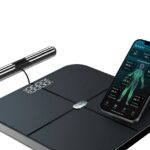
The practical starting point is the PG1 app and its assessment journey. Golfers can take a free assessment, scan a swing and receive a plan intended for their current level. That gives the PG1 golf improvement experience a useful sense of sequence. Instead of trying to fix everything in one afternoon, you have a way to decide what deserves attention first. For beginners, that structure can be the difference between practising and merely hitting balls.
A range built around real golfing problems
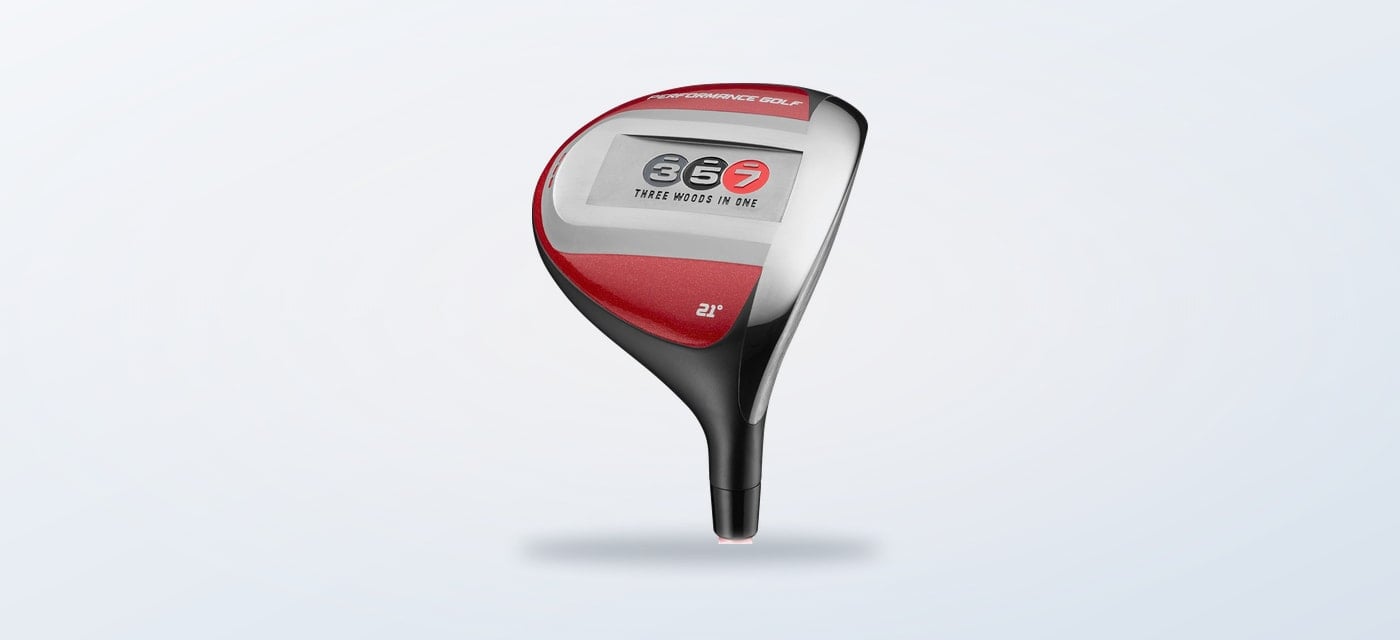
The equipment side of the brand is easiest to understand when you think about the problem each product is meant to address. The 357 Super 7-Wood is listed at $249 and offers an alternative for golfers who want help from the fairway without reaching immediately for a long iron. It is a particularly approachable example of the brand’s philosophy: identify a difficult shot, then look for a more forgiving way to play it.
The 357 Super 7-Wood also shows why a first-time reader should look beyond the headline category. A 7-wood can be useful from the fairway, rough or tee, depending on the golfer and the hole. Browse the 357 club page for the current details and price, then compare it with your existing long clubs. This is not about replacing equipment for the sake of it. It is about making a specific part of the course feel less intimidating.

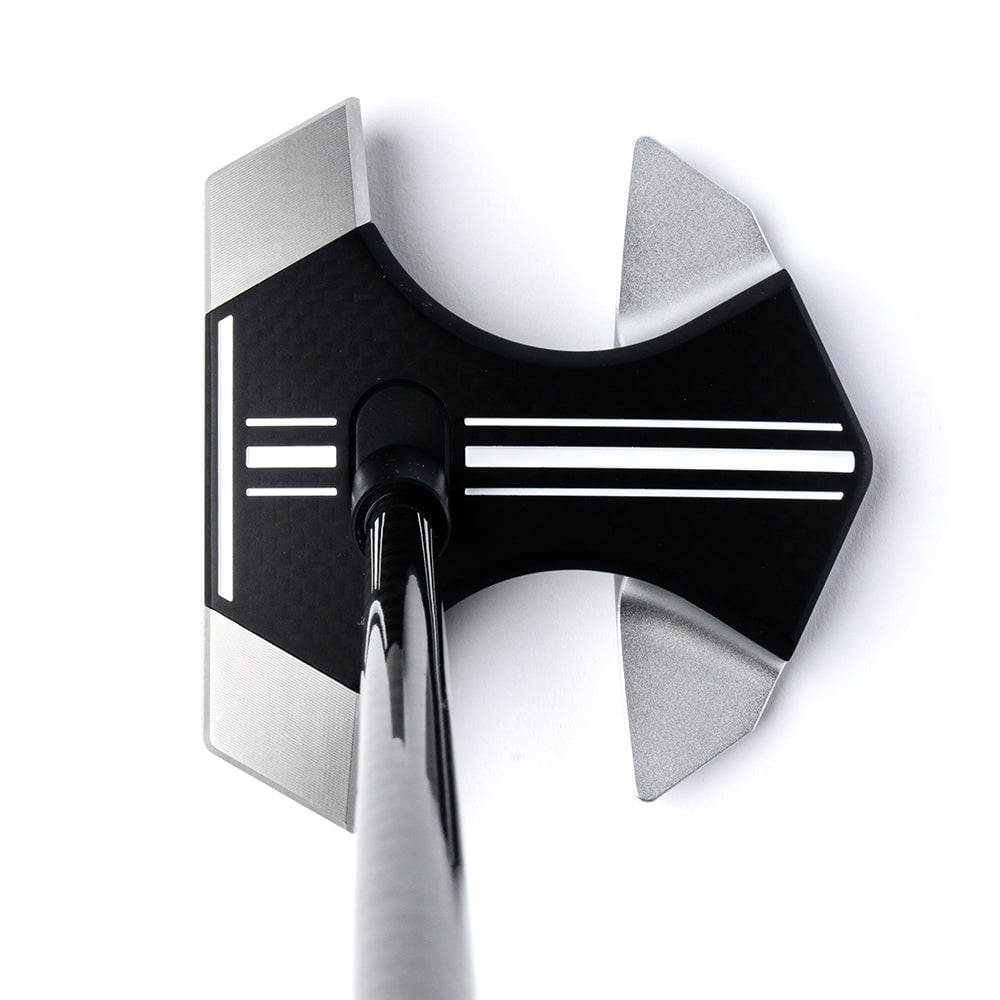
At the other end of the bag, the RS1 Putter is listed from $399. Putting is a wonderfully compact example of how tiny changes can alter confidence, so a dedicated design has an obvious place in this range. The RS1 Putter is aimed at helping golfers keep the face square for longer, a detail that matters when a short miss can turn a good hole into a frustrating one. See the RS1 product details before deciding if its design suits your stroke.
The SF2 Driver, listed from $299, brings the same thinking to tee shots. Drivers can be the loudest source of lost strokes, particularly when a golfer is trying to force distance. The SF2 Driver is presented as a route toward more dependable tee shots, and the SF2 page is the place to check available configurations and current pricing.
- Tee shots: look for a driver or fairway club that makes the first shot feel repeatable.
- Approach shots: consider a club that gives you a comfortable launch from the fairway.
- Short game: choose a wedge that helps you commit to the landing spot.
- Putting: prioritise a face and alignment setup you can trust over the ball.
There is also a ball in the range. The iON+ Golf Ball starts at $34.99 for a one-dozen starter pack, with larger supply options available. That makes it an easy entry point for someone who wants to try the brand without changing a whole bag. Visit the iON+ product page to compare the pack sizes and current price.
Practice tools that make time count
Not every improvement needs a new club. This is where the training-aid range becomes important. The DrawForce Automatic Draw Trainer is listed at $129 and is designed for golfers working on their ball flight. It gives practice a physical reference, which can be much easier to understand than a sentence about clubface direction.
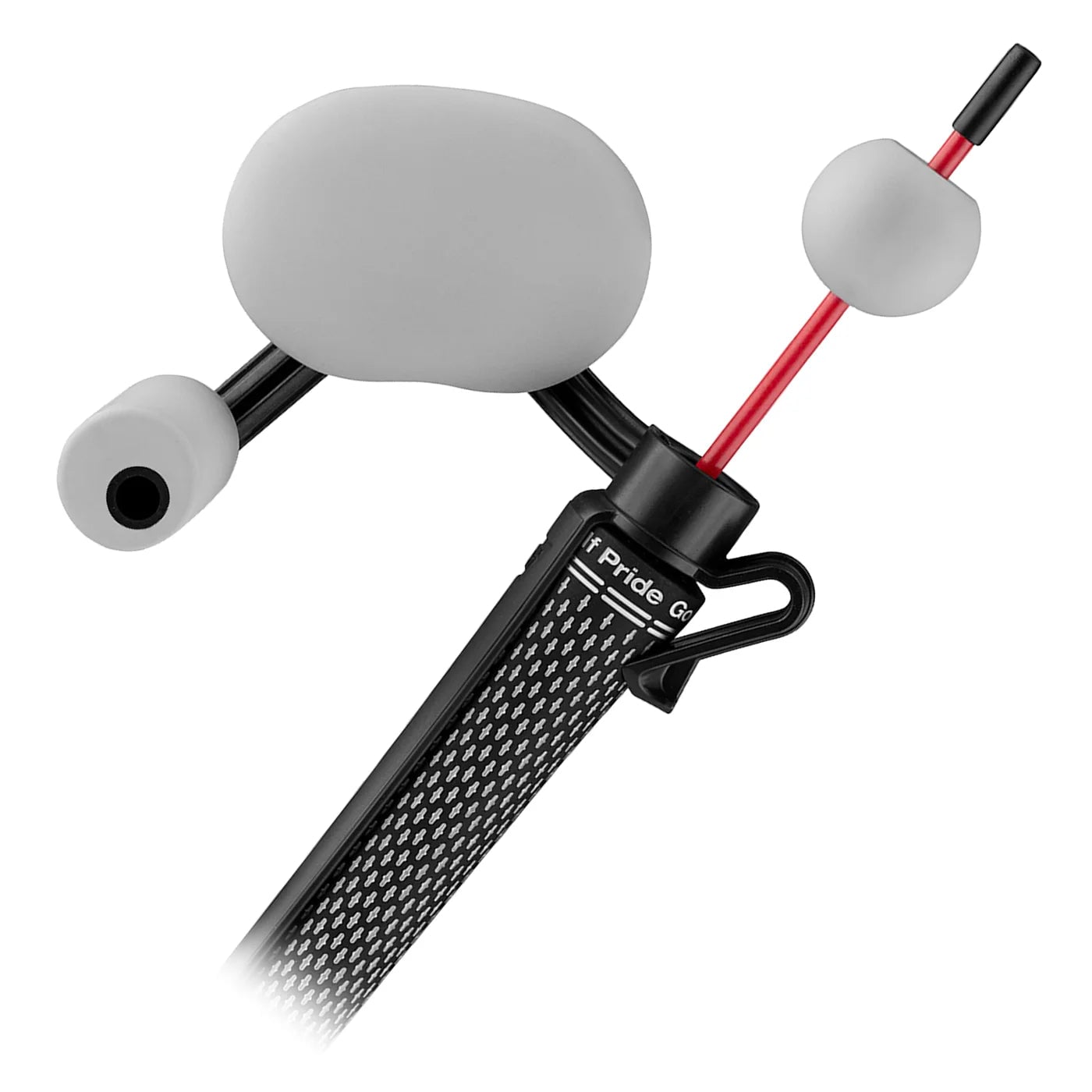
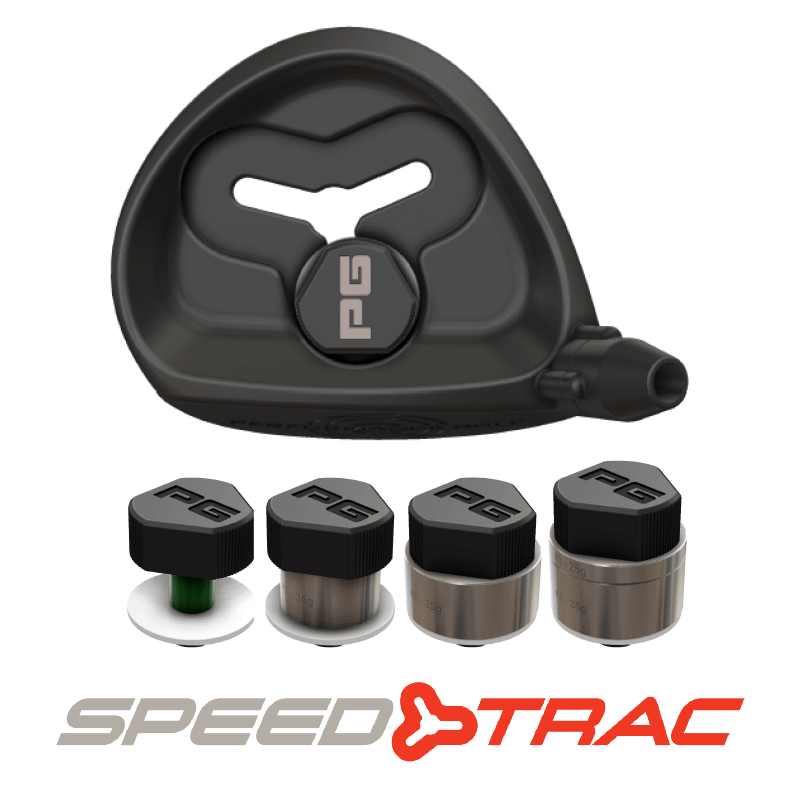
The SpeedTrac training aid is listed at $179 and is another example of the brand’s emphasis on feedback. For a golfer who struggles to know what a good swing should feel like, a practice tool can turn an abstract goal into something you can repeat. The SpeedTrac details are worth reading alongside your own practice habits.
For a more movement-led route, SwingSmooth Pro is listed at $69, while the Kinetic Movement Method is listed at $97. The difference between these options is a useful reminder that improvement can be physical, technical or both. Browse the training and coaching selection and choose the format you are most likely to use regularly.
- Start with one visible problem, such as a slice or inconsistent contact.
- Pick one lesson, aid or club that addresses that problem.
- Practise in short, repeatable sessions rather than chasing every tip.
- Use your next round to notice progress, not just the final score.
That small-problem approach is important because golf improvement rarely arrives in a straight line. A practice aid cannot replace a lesson, and a new club cannot rescue a rushed pre-shot routine. What these products can do is give an intention to your time. The SpeedTrac can make a session about a particular movement, while a lesson library can give you a sequence to follow when you are practising alone. I find that kind of structure much easier to return to than a vague promise to get better.
It is also worth remembering that the most expensive item is not automatically the best first move. Someone losing confidence on the greens may gain more from a focused putting routine than a driver upgrade. Someone who cannot start the ball on line may benefit from feedback before buying another club. Use the Performance Golf range as a menu, not a checklist, and let your own game decide what comes next.

Why a first-time reader should care
The best reason to pay attention to Performance Golf is that it understands improvement as a journey rather than a single purchase. You might discover the brand through a lesson, solve a practice problem with an aid, add a ball to your routine, or eventually look at a club such as the 357 Super 7-Wood. Each entry point connects to the same bigger idea: more useful practice and more confidence when you play.
I also appreciate that the range serves different levels of commitment. A $34.99 dozen of iON+ Golf Balls feels very different from a $399 RS1 Putter, and both feel different again from app-based coaching. You do not have to buy into the whole system at once. Start with the part that matches the problem you are actually having.
My sensible first step would be to take the assessment, identify one priority and then compare the relevant Performance Golf recommendations. Read the product information carefully, check current prices, and give yourself permission to improve one thing at a time. Golf is already very good at providing drama. Your equipment and practice plan do not need to add more.