








Holiday New York can mean a packed itinerary, changeable weather and a welcome reason to step indoors for a while. If you want a skyline moment that does not depend on standing outside, One World Observatory is one official option to weigh.
We reviewed the official visit and ticket information to map out how the observatory fits into a seasonal day. The practical question is less about chasing a perfect forecast and more about choosing a time slot and ticket format that suit the rest of your plans.
The building is an indoor attraction, but the view itself depends on visibility, and holiday crowds can make a fixed schedule feel tighter. Indoor does not mean weather-proof viewing. Below, we cover the experience sequence, ticket differences and the details worth checking before you commit.
Disclosure: this post includes affiliate links, and we may be paid a commission on purchases made through them.
The short version: One World Observatory makes sense when you want a substantial indoor stop with a panoramic city view and a structured sequence from the SkyPod to the observation floors. Standard General Admission suits a straightforward visit; the higher ticket tiers add different combinations of priority entry, arrival flexibility, credit or guided elements, so choose by the day you are planning.
What makes the observatory a useful holiday-season stop?
The main seasonal advantage is simple: the viewing floors are indoors, which gives a winter itinerary a sheltered attraction between outdoor walks, shopping or a museum visit. The observatory is at One World Trade Center in Lower Manhattan, so it can pair naturally with other downtown plans. It is not a quick pavement viewpoint, though; allow time for the full visit and the journey to and from the building.
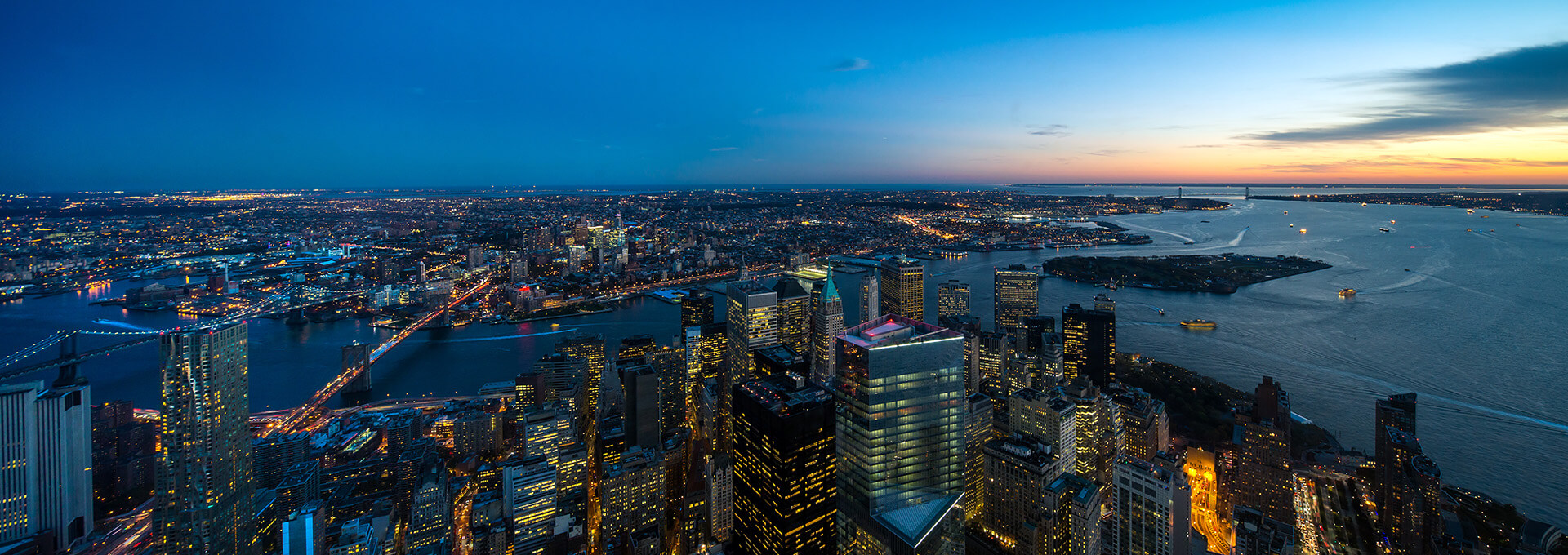
The official experience starts at the Global Welcome Center and Horizon Grid, continues up in the SkyPod elevator, then moves through the See Forever Theater before opening onto the observation level. View the standard ticket section for its included visit, or check the flexible arrival option. City Pulse ambassadors add local context to the skyline. The official experience page also describes a Digital Skyline Guide for exploring landmarks in real time, so the visit can work as more than a photo stop. This context-led approach is especially useful for first-time visitors who want help connecting the view with places they have seen in films, books or walking routes. That progression is a useful feature on a cold day because the visit has indoor moments beyond the final windows, rather than being only a platform and a view. The visit has a clear sequence.

There is one honest limitation to keep in mind: an indoor setting does not guarantee clear visibility outside. Haze, cloud and rain can soften the panorama, so check the observatory’s current policies and forecast before booking if the skyline is the main reason for going. The official site describes a See Forever Commitment; read its current terms directly rather than assuming a particular weather remedy applies to your plans.
- Put the visit near other Lower Manhattan stops to reduce cross-city travel.
- Leave breathing room around the entry time, especially during a busy holiday itinerary.
- Think of the view as weather-dependent even though the galleries are indoors.
Which official ticket fits the shape of your day?
The official booking page lays out several formats. Their differences are about entry, flexibility and included extras, not a different skyline. See Standard General Admission or compare Combination Experience to begin. We would start with the simplest ticket that covers what you actually want; an upgrade only makes sense if its added feature solves a real scheduling or dining need.
Standard General Admission is the straightforward choice for visitors who mainly want the observatory experience. It keeps the decision simple and avoids paying for extras you may not use. Check the available arrival slots and entry terms on the official page before settling your itinerary. For the core visit details, view Standard General Admission details and compare the scheduled options against your day.
Combination Experience is the option to consider if priority entry and an included credit matter to you. The brand says the credit can be used toward food, drink or shopping at its listed venues. Read the conditions carefully: an included credit is useful only if you expect to spend at a participating location and understand how it is applied. Check Combination Experience inclusions in the current listing, including the credit terms.
All-Inclusive Experience adds priority entry and a choice of arrival period, alongside an included credit, according to the official ticket comparison. That flexibility may be helpful when a holiday day has several moving parts. The label does not mean every possible add-on is included, so compare the current ticket description with your actual schedule. Review All-Inclusive Experience details before deciding whether that flexibility earns its place.
VIP Tour & Dine is a more hosted format. The official page describes escorted entry and a guided tour, plus a credit; this can suit visitors who want more interpretation and an organized meal element. It is less compelling if you prefer to explore independently or already have a tightly booked meal elsewhere. See the VIP Tour & Dine format and confirm how the tour and credit are described.
- Choose Standard for the core view-led visit.
- Choose Combination if priority entry and the included credit both appeal.
- Look at All-Inclusive if selecting an arrival period is useful to your day.
- Consider VIP Tour & Dine when a guided format and dining are part of the plan.
How can you plan around the holiday crowds and shorter days?
Start with the fixed parts of your day: a show, dinner reservation, ferry or timed museum entry. Then see whether an observatory slot can sit comfortably between them. In the holiday period, a ticketed indoor stop can bring structure to a day, but stacking several timed attractions back to back leaves little room for queues, transit delays or a slower meal.
If daylight views are your priority, look at the available daytime arrival choices and the sunset timing for your dates. If you would rather see the city after dark, an evening visit may suit the mood, though the same weather caveat applies and the city can look different under cloud. The official page offers the current schedule; use that rather than relying on an old itinerary or assumed opening hours. Check available Standard admission times as a starting point, then check the tier you prefer.

For an unhurried visit, plan a little time for the welcome displays, theater, views and any food or drink stop you intend to use. Visitors wanting more guided context can review VIP Tour & Dine; those prioritising flexibility can compare All-Inclusive Experience. Dining is available at ONE Dine and illy Caffè & Gelateria, but restaurant reservations and observatory admission are separate planning questions. Confirm current availability and inclusions directly; do not assume a ticket automatically reserves a table. If dining is central to your visit, check the VIP Tour & Dine listing alongside restaurant availability.
- Choose the day and approximate time that work with your other downtown plans.
- Compare the official ticket formats against your need for priority entry, flexibility or a guided visit.
- Check the current terms, arrival instructions and visibility policy before completing a booking.
- Keep a weather-friendly alternative in your itinerary in case the skyline is obscured.
What should you confirm before booking?
Holiday travel plans can change, so read the ticket’s date, entry and change conditions before paying. Check how the included credit works on the exact ticket you select, including eligible venues and any limits. Where a page refers to priority entry, confirm what that covers rather than treating it as a promise of no waiting at every stage.
It is also worth checking the official visitor information for arrival instructions, accessibility, operating hours and any seasonal notices. These details can change and affect the shape of a day more than the ticket name does. Read the Standard ticket details and read Combination ticket details with those logistics in mind. Check whether a timed entry lines up with transport plans and whether everyone in your group can comfortably use the route through the building. If you are travelling with children or older relatives, leave extra transition time and review accessibility information before selecting a slot. A calmer plan usually makes the indoor stop feel like a deliberate part of the day, instead of another appointment to race toward. Check flexible arrival details or review the guided visit if those formats fit your group. We would use the live booking page for current availability and the venue’s planning page for logistics.

If browsing the shop is part of your plan, check Combination Experience credit details and review All-Inclusive Experience inclusions before assuming an extra will suit you.
Ticket costs vary by format and included extras, and the booking flow displays the current amount for the selected date. We are leaving amounts out because they can change; compare the live options for your own visit. Check the current Standard General Admission price, then check Combination Experience pricing if its extras matter. The main trade-off is whether flexibility, credit or a guided experience is worth more to you than keeping the booking simple. Buy the feature you will use.

For a first visit built around the skyline, Standard General Admission is the sensible starting point. Move up only when a feature in the ticket description would make your day easier or more enjoyable. Those choices are available from the official One World Observatory – New York booking page. Check the date-specific terms.
Ready to plan an indoor skyline stop?
We would include One World Observatory in a holiday New York itinerary when you want a substantial indoor attraction in Lower Manhattan and can stay flexible about visibility. The SkyPod, theater and city-facing floors give the visit a clear beginning-to-end shape, while the ticket range lets you choose between a simple entry and more hosted formats.
The limitation is the one no ticket tier can remove: the city view depends on conditions, and a busy seasonal schedule rewards realistic timing. Check the current date options and terms, then choose the ticket whose extras you will genuinely use.