







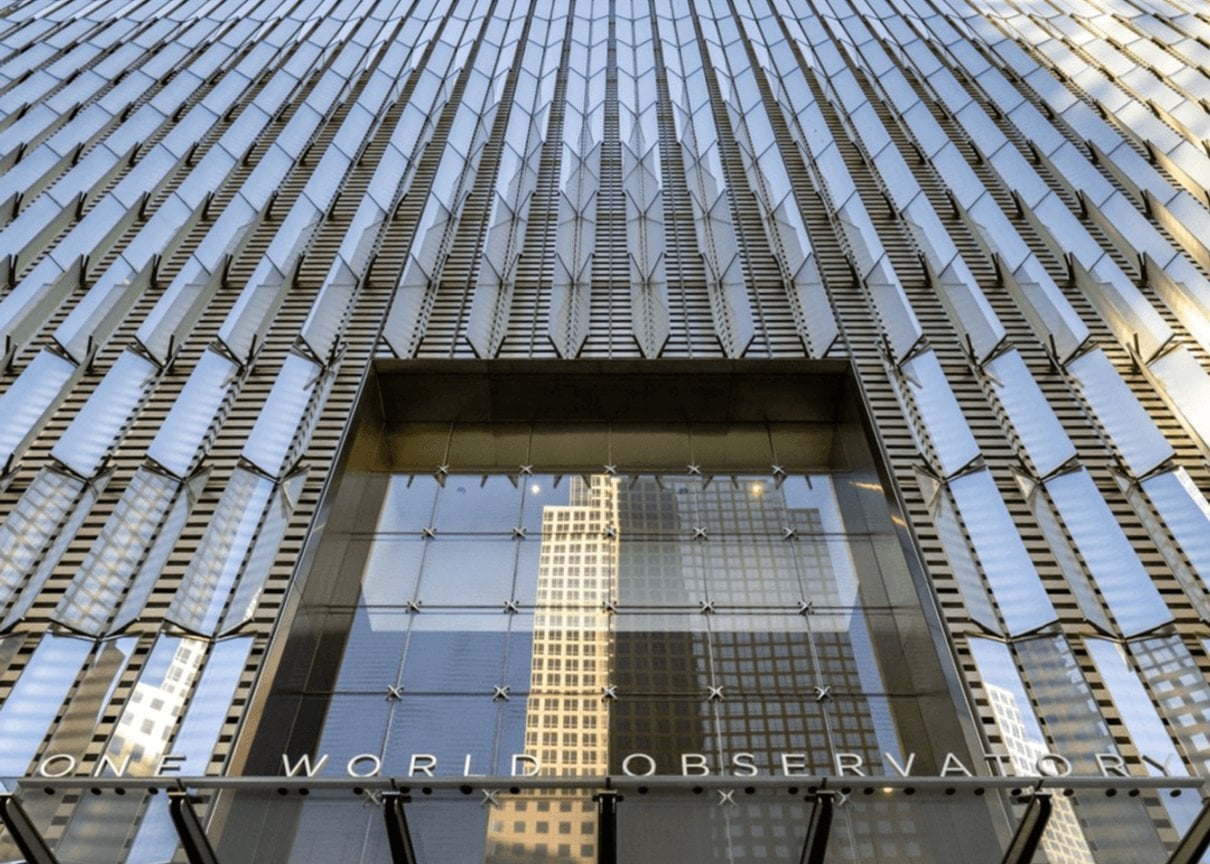

I love a New York view, but I am also capable of spending far too long comparing four ticket pages when I could simply be looking at the skyline. So I approached One World Observatory – New York as a proper comparison: what do you get for the money, how does it feel beside a typical open-air or hotel-bar alternative, and which ticket makes sense for a real day in Manhattan? The short version is that this is not the cheapest way to look at New York, but it is one of the most complete visits if you want views, storytelling and a bit of occasion in the same booking.
The comparison starts with the kind of view
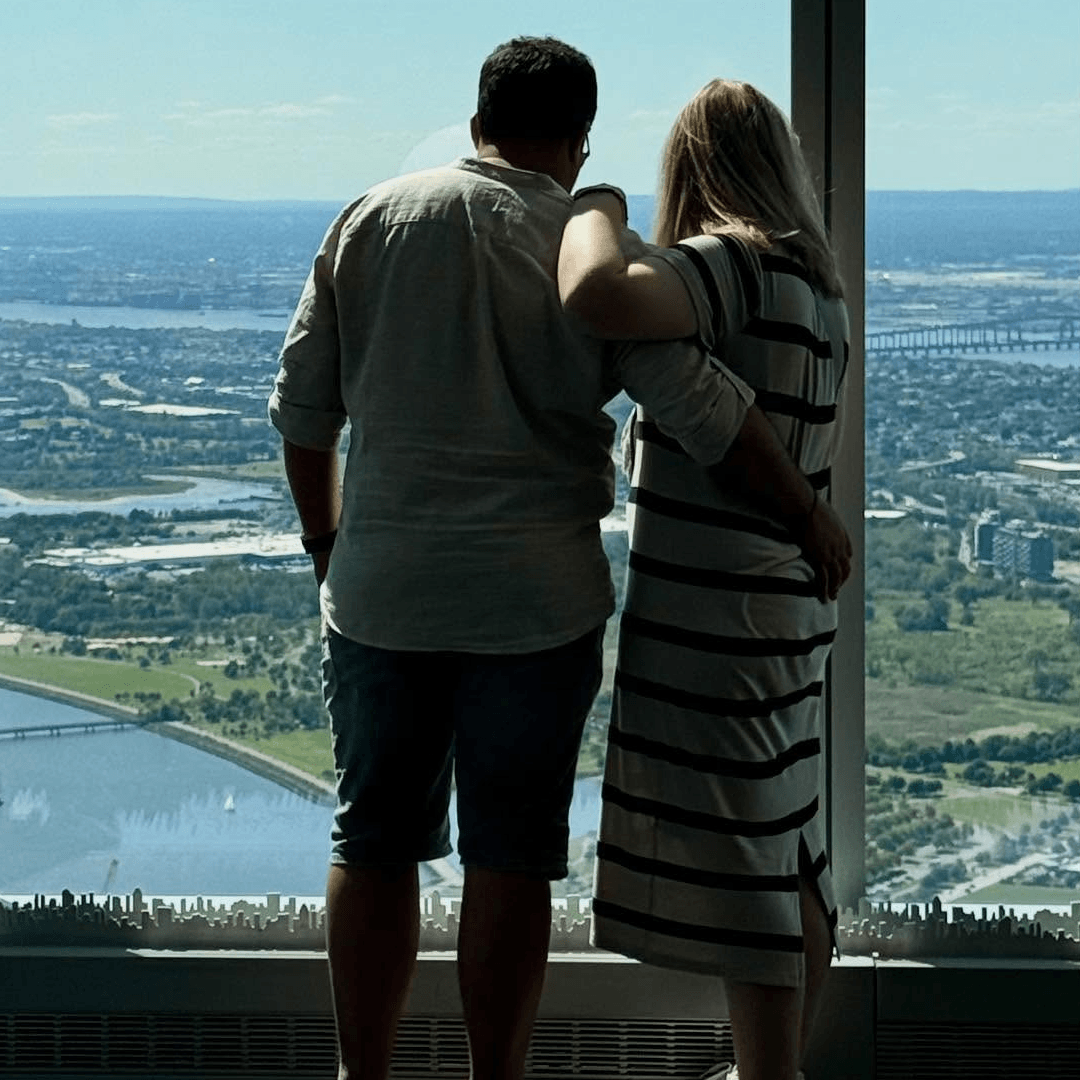
The first thing to settle is not the ticket tier. It is the visual brief. A free waterfront walk gives you atmosphere and a very good look at the tower itself. A rooftop bar gives you drinks, conversation and the pleasure of not having to organise a separate evening. Another classic observatory may offer an open-air edge or a more central angle. One World Observatory makes a different promise: you rise to the top of One World Trade Center, around 1,250 feet above the city, then stay inside a polished, weather-protected experience with a panoramic view of Lower Manhattan, the harbour and beyond.
- For the lowest possible cost: choose a waterfront viewpoint or city walk.
- For an outdoor thrill: compare an open-air observation deck.
- For a relaxed date: consider a rooftop restaurant or bar.
- For a fuller attraction: look at the One World Observatory ticket tiers.
That distinction matters on a rainy or windy day, and it matters if someone in your group is not keen on heights, cold or standing around outside. It also means you are paying for more than a single photograph. The One World Observatory experience builds a sequence around the arrival, elevator, theatre, exhibits and view. I would read the One World Explorer details too if interactive context appeals to you.

What the ticket tiers really change
The entry point is the Standard General Admission, starting at $39, before the listed $3.50 plus tax processing fee. It includes the view, which is the heart of the visit. If you already know you want only the panorama and you are fitting the observatory around a packed itinerary, this is the honest baseline. I would not dismiss it as a lesser experience; it is simply the least flexible one. Check the See Forever Commitment before you book if weather is a concern.
The Combination ticket starts at $49 and adds priority entry, the One World Explorer digital skyline guide and a $5 shop, drink or food credit. The Explorer is a useful differentiator against a bare viewing platform because you can tap landmarks and hear their stories. I would choose this for a first-time visitor who wants context without committing to a guided tour.
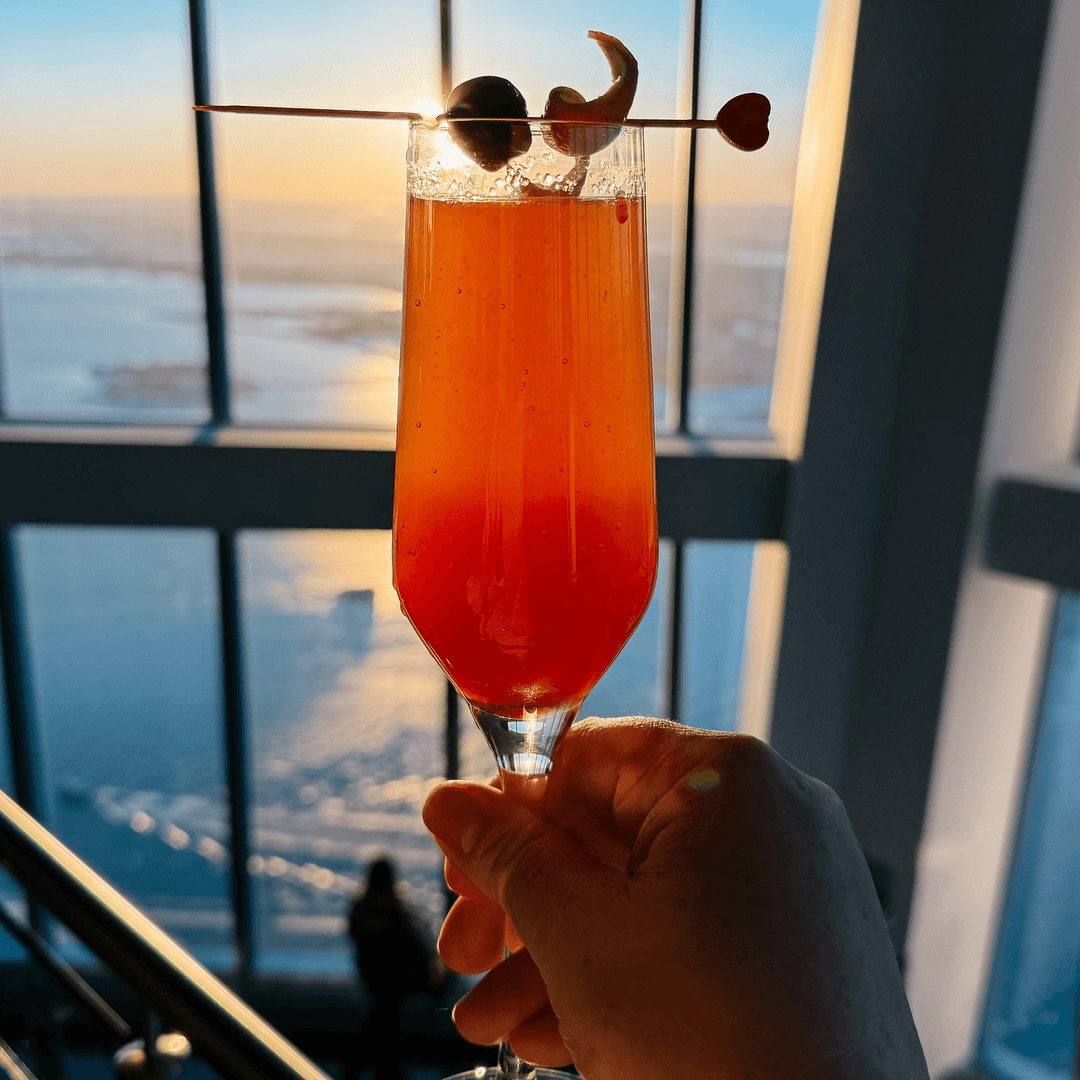
At $59, the All-Inclusive ticket is the one I find most interesting. It includes priority entry, the digital guide, a choice of morning, afternoon or evening arrival and a $15 credit for the cafe, bar, restaurant or gift shop. That credit does not make the ticket automatically good value, because you need to use it, but it softens the gap when you were planning a drink or souvenir anyway. It is the best fit for travellers who value a smoother schedule.
The VIP Tour & Dine Experience starts at $69 and adds escorted entry plus a 60-minute guided tour. That is a fairly clear alternative to wandering around a viewing floor hoping you have not missed the interesting bit. I would reserve it for a celebration, a family group with mixed interests or anyone who prefers an expert-led visit. It is not the value pick for a quick photo stop.
- Standard: the cleanest choice for a view-first itinerary.
- Combination: the sensible middle if priority entry and context matter.
- All-Inclusive: the flexible option when you will use the credit.
- VIP Tour: the most guided and celebratory version.
The extras make this less like a lookout
This is where One World Observatory beats the typical alternative for me. The SkyPod elevator turns a necessary transition into part of the attraction. See Forever Theater gives the arrival a cinematic build-up, while City Pulse and the wider exhibits give you something to do after the first burst of excitement. I like an observation deck, but the usual weakness is that the visit peaks the second you reach the window. Here, the experience is deliberately staged.
There are trade-offs. Indoor views can feel less thrilling than stepping onto an open platform, and a polished visitor journey can feel more produced than spontaneous. The best angle will also depend on weather, haze and the time of day. No ticket can promise a perfectly clear skyline. The brand’s See Forever Commitment is reassuring in that context, but I would still check the terms and choose a day with some flexibility if the view is the entire reason for going.
For a trip that already includes several attractions, I would also compare the ticket with the current ticket offers before paying full price. Families can save 20% on four or more tickets, groups of 10 to 50 can access 10% off selected experiences, and the late-night package advertises a 50% saving after 8pm. Those offers are more useful than a vague “deal” badge because they correspond to recognisable travel plans.
Where ONE Dine changes the value equation
A rooftop bar can be the better choice if you mainly want cocktails with a view. But ONE Dine gives this visit a genuine second act. The restaurant sits on the 101st floor, serves contemporary American food with global influences and uses seasonal ingredients. It is open daily from 2pm to 10pm, with the kitchen closing at 8pm and drinks last call at 9:30pm. Observatory admission is required for an a la carte reservation, so this is not a shortcut around the viewing ticket. See the ONE Dine menu before treating it as a casual add-on.
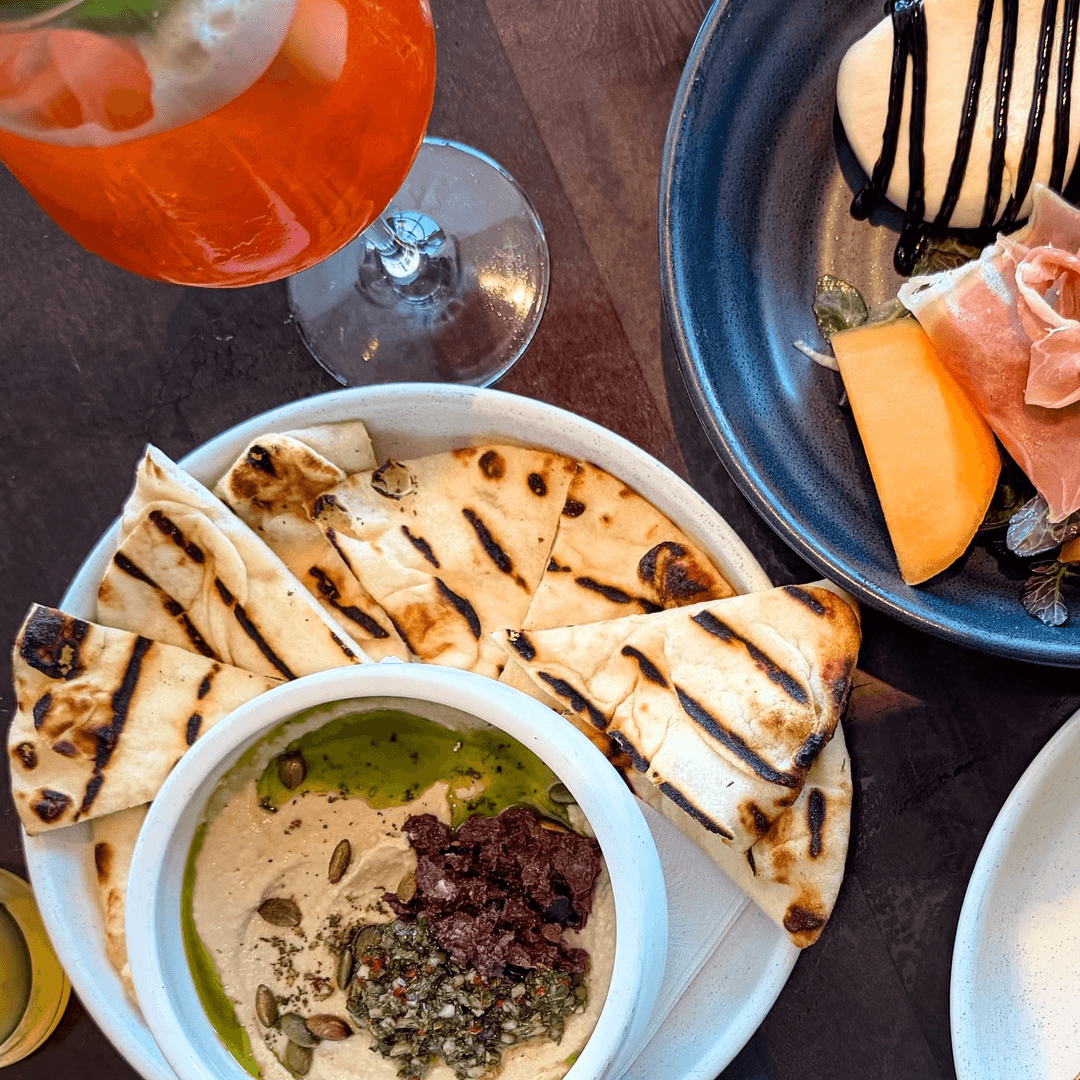
The VIP Tour & Dine option is therefore easier to understand than some premium attraction bundles. You are paying for a guided hour and a meal-led finish, not simply for a slightly nicer window seat. For a birthday or anniversary, I can see the appeal. For a budget city break, I would book the Standard or Combination ticket and spend the saving elsewhere.
- Choose ONE Dine for a celebratory evening rather than a rushed lunch.
- Reserve ahead, especially for a sunset or weekend slot.
- Remember that observatory admission is required for a la carte dining.
- Check the current menu and hours before building the rest of your itinerary.
My honest drawbacks before you book
The price is the obvious one. A free viewpoint wins on cost, and a city pass may be better if you are visiting enough included attractions to justify it. The $39 headline is also not the final figure once the processing fee and any food, drink or transport are added. I would set a realistic per-person budget before I get emotionally attached to the idea of a sunset visit.
There is also planning. Timed admission, security and the Downtown Manhattan location mean this is not quite as casual as wandering to a bridge. Read the plan your visit information and allow room for the experience rather than squeezing it between two fixed bookings. The upside is that the structure makes the day easier to manage once you have committed.

My recommendation after comparing the alternatives
My recommendation is the Combination ticket for most first-time visitors. The price step from Standard is relatively easy to see in the inclusions: priority entry, the digital guide and a $5 credit. It gives the day more shape without pushing you into the premium end. If you are travelling with four or more people, check the Family Pack first. If you have a late itinerary and do not mind an after-dark visit, check the late-night offer before choosing a time.
I would choose Standard for a tightly budgeted trip, All-Inclusive for a flexible day when I know I will use the $15 credit, and VIP Tour & Dine for a milestone. In other words, One World Observatory wins on completeness, not on being the cheapest skyline. Its strongest advantage over a typical alternative is that the view is only one part of a well-paced, weather-proof attraction. That is exactly why I would recommend it to a visitor who wants the experience to feel like an event.