








A practical buying guide to matching Performance Golf clubs, training aids and coaching tools to the part of your game you want to improve.
Buying golf equipment is easier when the starting point is a real problem. A slice, uncertain contact, short-game nerves or a lack of structure in practice each calls for a different kind of help. Browsing by discount or by the club that looks most interesting can leave you with an expensive object that does not address the reason you started looking.
Performance Golf takes a problem-led approach across clubs, training aids and digital coaching. The useful question is not simply which product is best. It is which type of support fits your shot pattern, available practice time and budget. This guide sets out a sensible route through the range, with current listed prices where the site shows them.
This article contains affiliate links. If you buy through them, we may earn a commission at no extra cost to you.
At a glance
- Start with the shot costing you the most strokes, not the product category you happened to browse.
- SF1 Driver is listed at $299 and is positioned for slice-prone tee shots, with several shaft-flex choices shown on the page.
- Picture Perfect Chip & Putt Pro Edition is listed at $329 for golfers prioritising short-game practice.
- Thriver – Steel is listed at $199, while The Hinge is listed at $159 as a more focused training-aid route.
- Performance Golf states that many product pages include free U.S. shipping and a 365-day money-back guarantee, but check the current page before ordering.
1. Name the golfing problem first
Before opening a product page, write down the miss you want to reduce. Keep it specific: “my driver starts left and curves right” is more useful than “I need more confidence”. The wording matters because Performance Golf organises much of its range around a particular correction, from tee shots to putting and distance.
- Choose the shot that costs you the most strokes over a typical round.
- Decide whether you need equipment, feedback during a drill, or a plan that tells you what to practise.
- Set a ceiling for the purchase before the page introduces bundles or add-ons.
- Check the current price, availability, hand, flex and return terms on the product page.
That process helps separate a club decision from a practice decision. A driver can change the equipment in your hands, while a training aid can give you a repeatable cue. The SF1 product page and the Hinge product page illustrate that difference. The PG1 approach adds assessment, drills and progress tracking, so it is a different purchase again. We would treat those as complementary routes, not interchangeable promises.
The site also promotes a 30-second quiz that asks about the part of the game costing strokes, the shot that feels least confident and handicap range. It can point a tee-shot search towards the SF1 Driver or a short-game search towards Picture Perfect Chip & Putt. That can be a useful starting prompt, but we would still verify the recommendation against your own miss and the club specifications.
2. Match the need to the right kind of product
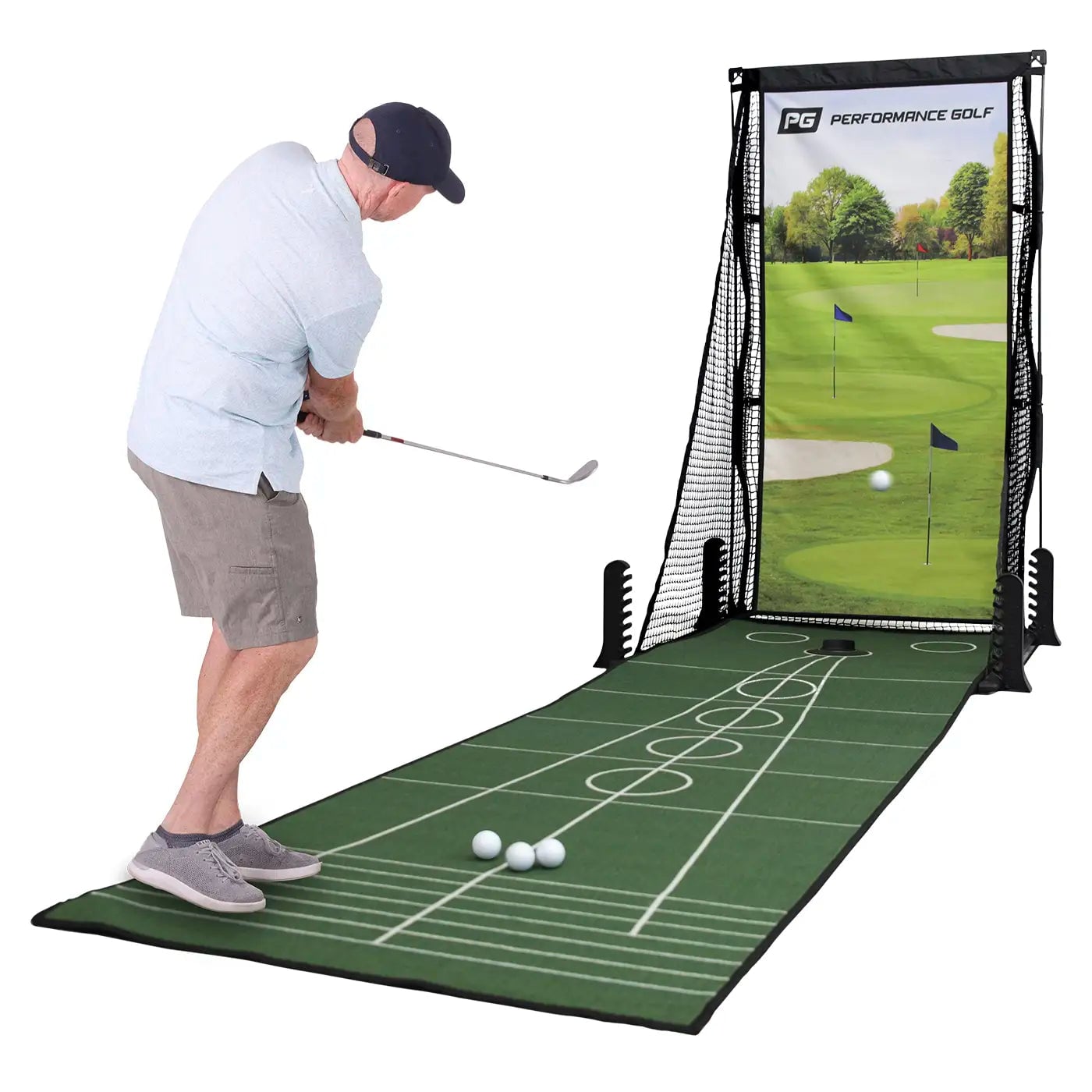
For a tee-shot problem, the SF1 Driver is the clearest example of Performance Golf’s targeted positioning. The current SF1 listing lists it at $299, reduced from $399, and describes a carbon-fibre club with a 12-degree loft. It also lists shaft-flex guidance for different swing speeds and an anti-slice design. Those are concrete buying checks, not reasons to assume the club will solve every golfer’s swing.
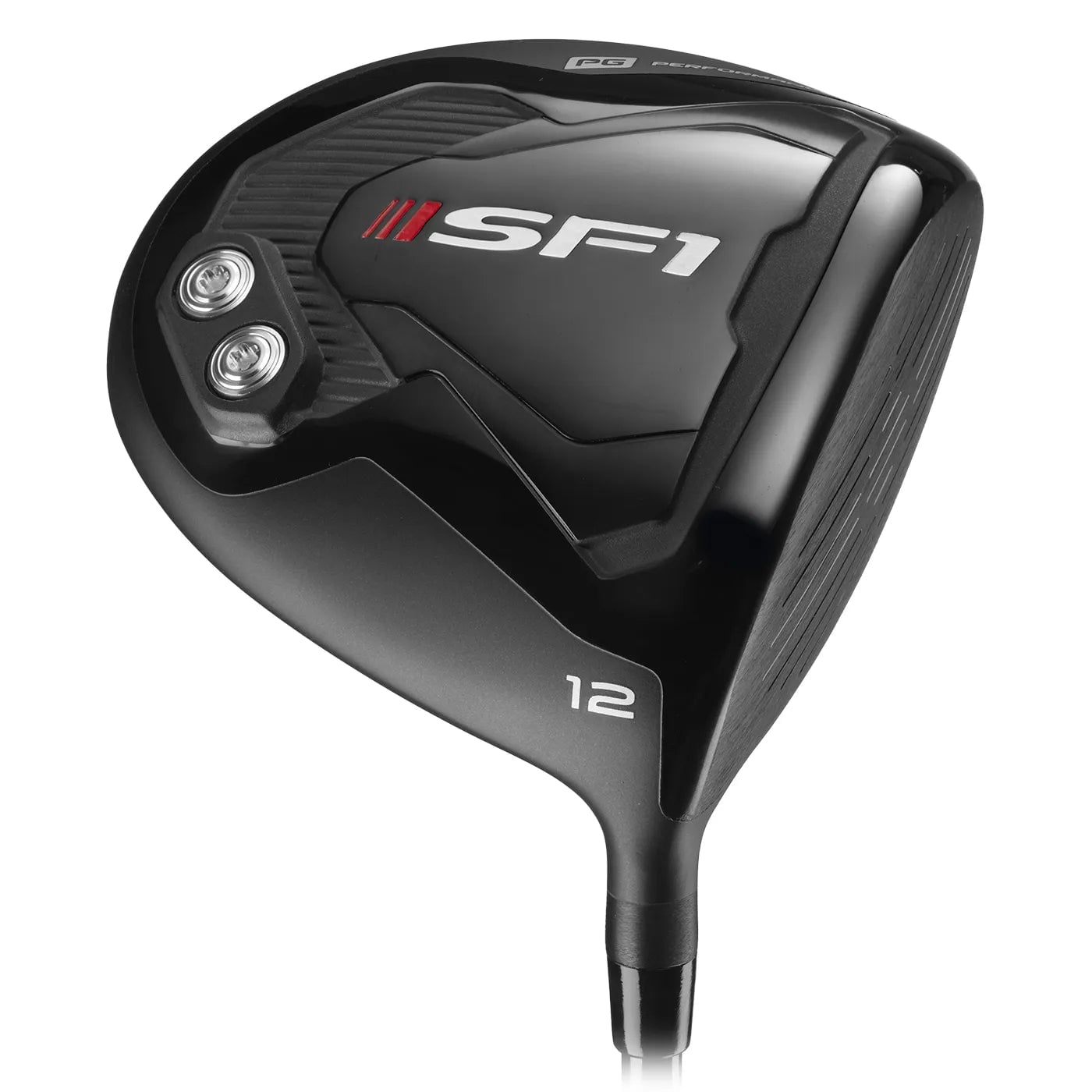
If your priority is the area around the green, Picture Perfect Chip & Putt Pro Edition is a more relevant comparison point. The Pro Edition page lists the pro edition at $329. The practical question is whether you have enough room and enough regular practice time to use a dedicated short-game aid, rather than whether it sounds more advanced than a club.
A golfer who wants a different tee-shot shape may look at Thriver – Steel, listed at $199. The Thriver listing makes it a more focused club choice than a full set. We would check shaft, loft, hand and availability carefully before treating it as an alternative to the SF1. Product names can suggest use cases, but the specification panel should make the final call.
For feedback rather than a new club, The Hinge is listed at $159. The training-aid page is the place to check its current instructions and availability. This is the kind of purchase to consider when your main need is a repeatable motion cue. It may make more sense than another club if your current equipment is serviceable and your practice sessions lack a clear task.

A compact shortlist by use case
| Option | Listed price | Best starting point | Check before ordering |
|---|---|---|---|
| SF1 Driver | $299 | Slice-prone tee shots | Flex, hand and availability |
| Picture Perfect Chip & Putt Pro Edition | $329 | Short-game practice | Space and practice time |
| Thriver – Steel | $199 | A focused club option | Loft, shaft and fit |
| The Hinge | $159 | Motion feedback | How it fits your drill plan |
This shortlist is not a ranking. It is a way to avoid comparing unlike purchases. A $299 driver and a $159 training aid can both be sensible, but they solve different problems. If you are unsure, start with the product whose use case you can describe in one sentence and whose practice routine you can actually maintain.
3. Check the practical details that change value
Listed price is only the first filter. The product pages show important details that can change whether a choice is suitable. For the SF1 the page says the club is in stock in the researched listing, gives flex guidance and states a 365-day, 100% money-back guarantee. The short-game listing and Thriver page should receive the same check. Availability and terms can change, so use those details as checks rather than permanent facts.
- Fit: confirm hand, loft, shaft flex and any available configuration before adding a club.
- Practice setting: measure the room or practice area for a training aid, then decide how often it will be used.
- Support: distinguish a physical product from digital coaching, a trial or an ongoing membership.
- Returns: read the live refund and shipping language, especially if you are ordering from outside the U.S.
Performance Golf promotes free shipping across the USA and a 365-day money-back guarantee across the product experience. Those policies are useful value signals for U.S. shoppers, but the page for the exact item should control your decision. We would also look at the delivery estimate, sale end date and whether a bonus is a permanent inclusion or a time-limited offer.
The brand’s digital side deserves the same care. The PG1 system is presented as a sequence that includes an assessment, personalised plan, drills, tools and app tracking. A free seven-day trial is promoted on the site for the app. That may suit a golfer who wants structure more than another physical item, but a recurring price, cancellation route and what is included should be clear before a paid commitment.

4. Build a small practice plan around the purchase
A new product has more value when it comes with a modest routine. We would plan three short sessions before adding anything else. Use the first to understand the instructions, the second to repeat one cue, and the third to test whether the change survives a normal practice context. This keeps the decision grounded in use rather than novelty.
- Session one: read the instructions and record your starting miss without changing five things at once.
- Session two: complete one focused drill for 15 to 20 minutes and note the contact or start line.
- Session three: alternate the drill with normal swings or chips and record what remains consistent.
For the SF1 Driver, that could mean checking the fit first, then tracking start direction and curvature rather than chasing distance immediately. For The Hinge, it could mean using one motion cue before hitting normal shots. For Picture Perfect Chip & Putt Pro Edition, the useful measure may be start line, landing point or two-putt frequency. The right metric should match the problem named at the beginning.
We would resist pairing several corrections in the first week. A driver, a swing trainer and a digital plan can all be relevant to one golfer, but using them simultaneously makes it hard to know what helped. Start with one product, keep the routine short and expand only when the first purchase has a clear role.
Who Performance Golf is likely to suit
Performance Golf is a natural fit for golfers who want their equipment search organised around a specific miss. The Performance Golf range gives shoppers a route into clubs, training aids and coaching, with product pages that state a problem, a price and supporting specifications. That structure can be helpful if you prefer a guided shortlist to an open-ended equipment catalogue.
- Good fit: golfers who can name the shot they want to improve and will follow a simple practice plan.
- Potentially useful: shoppers who value a stated return policy and U.S. shipping information.
- Pause first: golfers who need a professional fitting, have unusual equipment requirements or are mainly shopping for the lowest price.
It is also worth separating the brand’s claims from what can be guaranteed for an individual. The SF1 page describes anti-slice features and the brand talks about fixing specific flaws, but swing results depend on fit, delivery, contact and practice. We can say the range is clearly problem-led; we cannot promise a particular number of yards, strokes or fairways for every reader.
Our verdict
Our recommendation is to use Performance Golf as a decision framework: name the miss, choose club versus training aid versus coaching, then verify the live price and specification. The SF1 Driver is the most concrete option for a slice-led tee-shot search, while Picture Perfect Chip & Putt Pro Edition, Thriver – Steel and The Hinge give the shortlist different jobs.
The limitation is that a product page cannot replace a fitting or an assessment of your full swing. Prices, stock, guarantees and bonuses can also change. If the use case is clear and the practice plan is realistic, the brand is a sensible place to narrow the choice before ordering.