





September is the month when I start looking at the map again. Summer crowds are thinning, the light is still generous, and a few days across the Irish Sea suddenly feel far more achievable than another airport queue. This year, the trend I keep noticing is the slower island break: take the car, pack properly, bring the dog if you need to, and make the crossing part of the trip rather than an annoying gap between two destinations.
That is where Irish Ferries fits rather neatly. The operator connects Ireland with Britain and France, offering passenger and car sailings, different ship personalities, cabins, onboard dining and a few useful extras. I spent time with the current route and ship information to work out which options make most sense for an early-autumn escape, when flexibility matters more than a perfectly polished summer itinerary.
My short version? Check the live Irish Ferries fares if you want to turn a vague September idea into an actual plan. Prices depend on dates, route, vehicle and fare type, so the booking engine is the honest place to compare. I would also compare return sailings before committing to the first convenient departure.
Disclosure: this post includes affiliate links, and we may be paid a commission on purchases made through them.
Why does an Irish Ferries crossing suit a September break?
There is something pleasingly practical about a ferry at this time of year. You can arrive with a proper bag, your own playlist and, on many crossings, your own car. That makes a long weekend in Dublin, a coastal drive from Holyhead or a wider Ireland itinerary feel less compressed. I am not claiming it is always the cheapest or quickest choice. I am saying it offers more control over the shape of the journey, which is exactly what I want after a busy summer.
The strongest Irish Ferries advantages I found are quite tangible:
- Route variety: options link Ireland with Britain and France, including Dublin-Holyhead, Rosslare-Pembroke, Dublin-Cherbourg and Dover-Calais.
- Choice of pace: the Dublin Swift is a fast ferry, while cruise ferries such as Ulysses make more of the onboard time.
- Car-friendly planning: taking your own vehicle makes rural beaches, food towns and last-minute detours much easier.
- Useful extras: dining, shopping, Wi-Fi, family areas, cabins, pet facilities and Club Class can all change the feel of the crossing.
Before you get too romantic about it, do check the route and times page and the fare types guidance. Economy, Flexi and Flexi+ can carry different amendment conditions, and a bargain is only a bargain if it suits your plans. September weather can be changeable too, so I like having a small buffer around port arrival and onward driving.
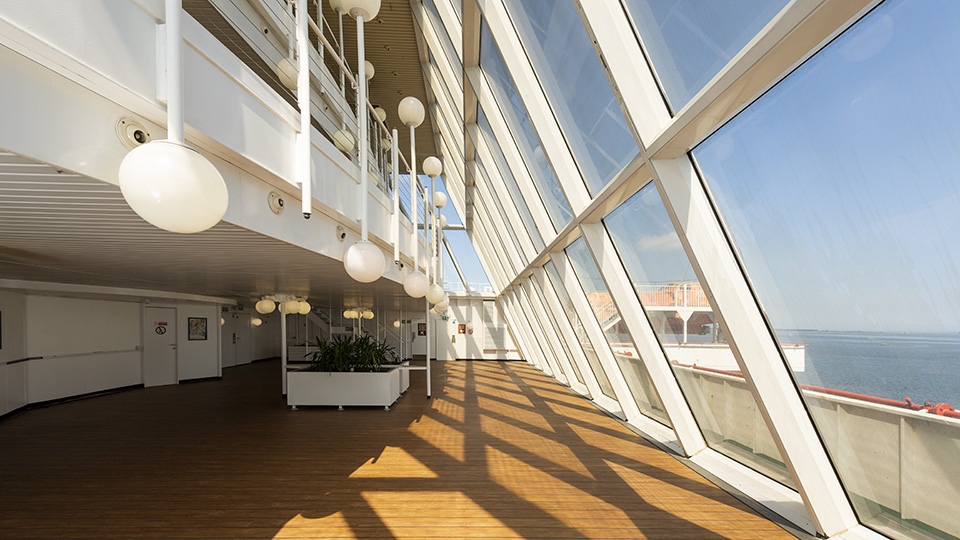
The ship itself becomes part of the choice. You are not just selecting a departure time. You are choosing how you want those hours to feel: quick and functional, sociable and family-friendly, or a little more comfortable with room to pause. That is why I would browse the fleet information before booking a route that has more than one vessel.
Which Irish Ferries ship fits your September trip?
The website gives each ship a distinct role, which is helpful when you are planning around the mood of a trip rather than simply chasing a departure. These are the three I would put on my September shortlist.
1. Oscar Wilde for a fuller Dover-Calais crossing
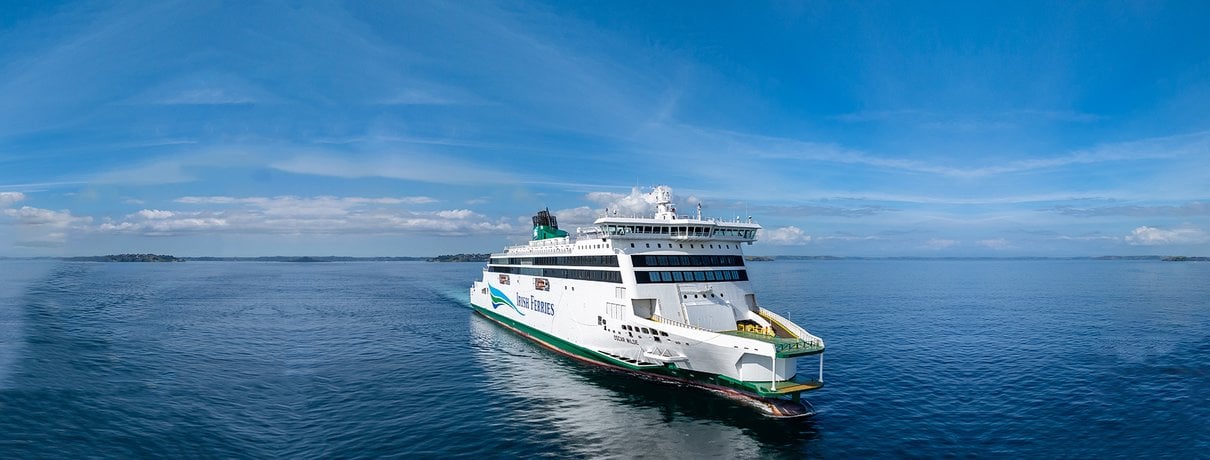
The Oscar Wilde is the newest addition to the Dover-Calais service. Its page describes a large Ro-Pax ship with 10 decks, capacity for up to 2,000 passengers and space for cars. For a late-summer or September France trip, that scale is useful: there is enough onboard variety to make the sailing feel like an interval rather than dead time.
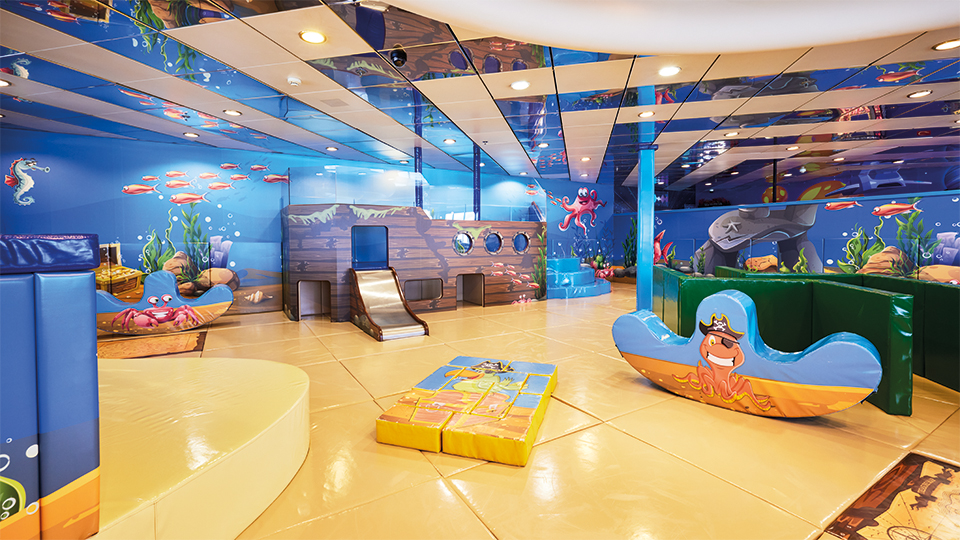
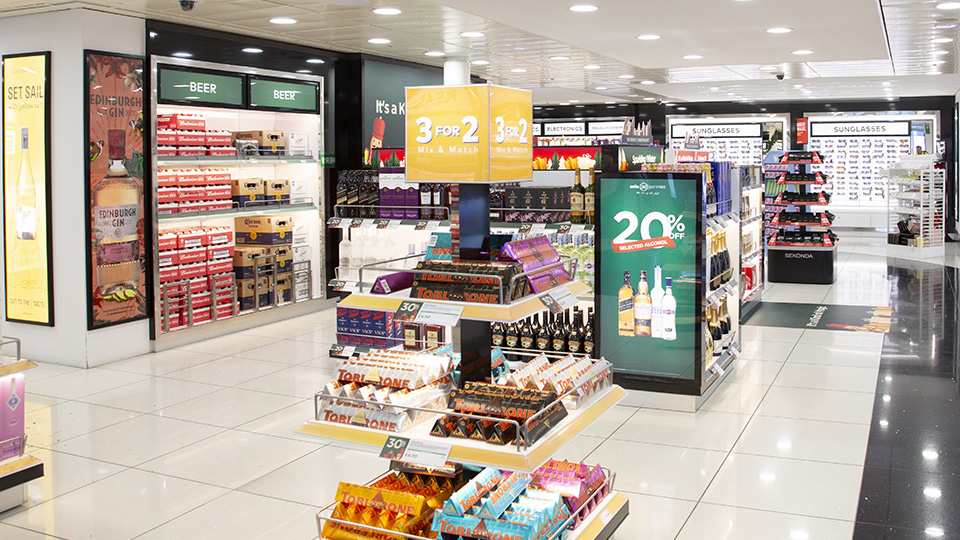
I would look at Oscar Wilde sailings if I wanted a car-based food weekend, a longer route with a cabin, or a family crossing where everyone needs a different distraction. The ship lists Food Market, Café Lafayette, a seasonal O’Flaherty’s Bar, duty-free shopping, Adventure Island and a dedicated Pet Den. That is a very sensible list for mixed-age, mixed-energy travel.
One detail worth calculating is Club Class on Oscar Wilde. It includes sea views, soft drinks, snacks, fresh baguettes, cheeses, wine, free Wi-Fi and a discount on selected shop lines. I would not add it automatically, but on a longer crossing or a tiring return journey it may be the most noticeable comfort upgrade.

2. Dublin Swift when time is the priority
If your September plan is a quick city break, the Dublin Swift deserves a look. Irish Ferries describes it as the only fast ferry on the Dublin-Holyhead route, crossing in just over two hours. That is the cleanest option when the destination matters most and you would rather spend the afternoon in Dublin than still be at sea.
The Dublin Swift ship page lists Trinity Club Class, Boylans Brasserie, Café Lafayette, duty-free shopping, a TV lounge and free Wi-Fi. I like that mix because it acknowledges the practical reality of a fast crossing: you want a seat, a snack and a little connectivity, but you also want the journey to stay moving.
- Best for: a two-night Dublin break or a tight driving itinerary.
- Check first: the live sailing time, vehicle requirements and port arrival cut-off.
- Worth adding: Club Class if you want a calmer place to work, read or start the trip with coffee.
- My verdict: the most efficient choice for a September city reset.

Families should still check the onboard facilities and current sailing updates before leaving. A fast ferry is not the same experience as a cruise ferry, and knowing the layout beforehand prevents that familiar first-ten-minutes-of-panic feeling when everyone wants something different.
3. Ulysses for the journey as an occasion
For a slower, more spacious crossing, I would compare Ulysses. On the Dublin-Holyhead route, the site gives a port-to-port time of around three hours 25 minutes for this luxury cruise ferry. That extra time is not necessarily a drawback. In September, when I am trying to stop rushing everywhere, it can be part of the appeal.
The Ulysses facilities include a cinema, dining, shopping, family areas, cabins and Club Class. I would choose it for a road trip where the ferry is deliberately part of the experience, or when an overnight cabin makes the overall journey easier. The cabin information is especially useful for anyone travelling with children, older relatives or a dog who needs a proper pause.

If I were comparing Ulysses fares, I would price the complete journey rather than just the base ticket: cabin, food, parking or onward accommodation can alter the result. The ship is best when you value space and a softer pace, not when you are trying to shave every minute off the crossing.
How should you plan an early-autumn Irish Ferries crossing?
My ideal September booking would be simple enough to enjoy and flexible enough to survive a change of mood. I would use this little sequence:
- Pick the destination first: decide whether you want Dublin, Wales, France or a wider Irish road trip.
- Compare the route: use the route planner to see which ports and times leave the most useful day at either end.
- Choose the ship: use Dublin Swift for speed, Ulysses for a more leisurely sailing, or Oscar Wilde for Dover-Calais.
- Price the extras: compare a cabin, Club Class, meals and pet arrangements before calling the headline fare a final price.
- Leave breathing room: check travel requirements, arrive in good time and keep onward driving realistic.
Pet owners should read the pet travel guidance for the exact route, because requirements and facilities vary. The same goes for passengers who need assistance: the reduced mobility information is worth checking while you are still choosing dates, not the night before departure.
For the practical bits, I would also save the sailing updates page and passport information. It is boring, yes, but future me is always grateful when present me has read the boring bit.
There is also a useful wider-trip angle. Irish Ferries promotes Ferry & Rail and hotel and cottage holidays, so you do not necessarily have to build every part of the trip from scratch. I like the idea of pairing a ferry with a few nights in one base, rather than attempting a heroic loop that leaves me needing another holiday afterwards.
What are the practical strengths and compromises of Irish Ferries?
The appeal is clear, but I would not write a travel guide that pretends every ferry suits every traveller. Here is the quick scorecard I would use before booking:
- Pro: bringing a car opens up beaches, villages and countryside beyond the obvious city stops.
- Pro: multiple ship styles let you match the crossing to your available time and energy.
- Pro: onboard food, shopping, Wi-Fi, family spaces and pet options make the journey self-contained.
- Compromise: fares change with dates, vehicles, cabins and flexibility, so the visible starting price is not a universal quote.
- Compromise: port arrival and onward driving need more thought than a flight transfer.
That balance is why I see Irish Ferries as a strong fit for intentional autumn travel. It is not just about getting from A to B. It is about carrying your own kit, choosing your pace and having enough route and onboard information to make a sensible decision. If you want a very short city break, start with Dublin Swift. If you want the crossing to feel like part of the holiday, compare Ulysses. For France, put Oscar Wilde on the list.
My final tip is to book around the experience you actually want. A slightly later sailing with a cabin may beat a cheaper departure that leaves everyone exhausted. Conversely, a fast crossing may be exactly right when your September plan is built around a restaurant reservation, a concert or a full day in Dublin. Use the live booking search, compare return options and let the real numbers settle the debate.
So, would I plan an early-autumn trip with Irish Ferries? Yes, especially if I wanted the freedom of my own car and a journey with a little more breathing room. I would check Club Class for a longer crossing, keep fare conditions open beside me, and choose the ship that matches the trip rather than treating every sailing as interchangeable.