






When you have only a little time in Boston, an observation deck can sound like a simple photo stop. The more useful question is whether the place helps you understand the city as well as see it.
View Boston Observation Deck makes that question its premise: it presents the skyline as a starting point for exploring Boston, with several floors, indoor and outdoor viewing, and experiences intended to give the panorama context. We have reviewed the brand’s published information and ticket pages for this feature.
The result sits between an attraction and a city orientation stop. Here is the story behind that approach, what its principal experiences offer, and the kind of visitor most likely to appreciate the format.
Disclosure: this post includes affiliate links, and we may be paid a commission on purchases made through them.
The short version: View Boston is built around more than a high viewpoint: its three-level format pairs wide city views with indoor interpretation, outdoor access and optional dining. It makes most sense for visitors who want a structured introduction to Boston from above; anyone seeking only a quick, low-commitment lookout should compare the time and ticket details before planning around it.
Why build a Boston attraction around the view?
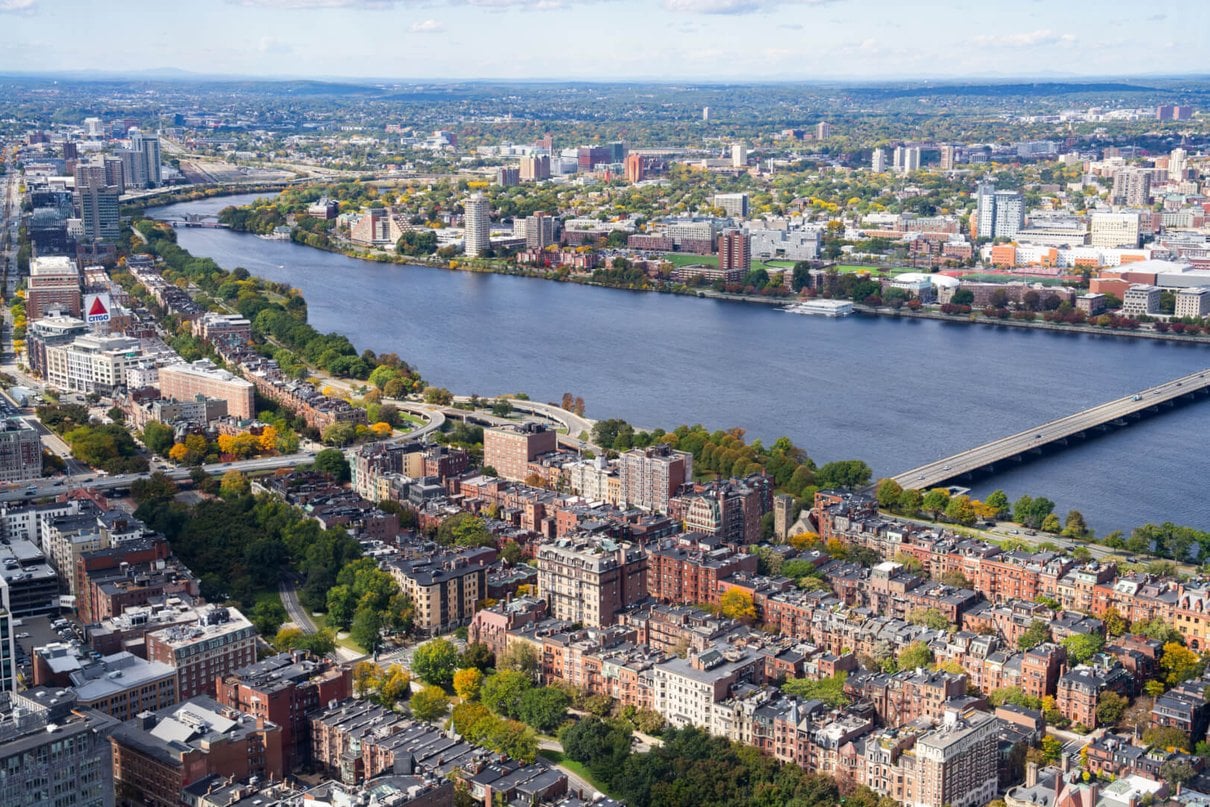
The brand describes a 360-degree outlook from the Prudential Tower, a central location that places the visitor above a city with a notably legible mix of waterfront, historic districts, parks and newer development. From that height, a visitor can spot the geography first and decide what deserves a closer look later. That is a useful role for a city attraction, especially early in a trip.
A skyline view is not unique to Boston, so the distinctive proposition is the framing. The site connects looking outward with learning to orient yourself: the panorama becomes a map in three dimensions, rather than a backdrop alone. Its official ticket information approach to city context adds a layer for people who enjoy a little interpretation with their photos. Visitors can official ticket information review the venue’s published overview and consider whether that balance suits their plans.
That context matters because views can be weather-dependent and familiarity changes what you notice. A first-time visitor may use a high vantage point to connect neighbourhood names with landmarks, while a returning visitor may simply enjoy seeing a known street pattern from a new angle. Different visits can share the same skyline and still have different purposes.

What does the three-level format add?
View Boston presents a multi-level visit rather than one viewing platform. Across the floors, guests move between indoor spaces and open-air outlooks, with interactive elements and exhibits designed to make Boston easier to read. The sequence can give a visit more shape: begin with orientation, pause for details, then return to the skyline with a better sense of what lies in each direction.
This is a different proposition from stepping onto a roof, taking a photograph and leaving. A longer format can make an attraction feel more complete, but it also asks for more time and attention. If your day is tightly scheduled, review the official ticket information visit information and decide whether you want an activity in its own right or simply a brief viewpoint. The venue’s official ticket information overview is best read as a description of the experience, not a promise that every interactive feature will appeal equally to every visitor.
Indoor areas are useful when conditions outside are uncomfortable, while an outdoor viewing area gives the city a more immediate feel. The balance is a practical strength: a visitor is not relying on one kind of space throughout. We would still keep weather and visibility in mind, because a cloudy or hazy day can change how far the skyline reads even when the attraction remains open.
- Start with orientation: take in the city layout before choosing landmarks to focus on.
- Use indoor areas: they offer a pause from the elements and make room for interpretation.
- Save time outdoors: open-air viewing brings a different perspective, but conditions matter.
- Look back at the panorama: details may stand out after the exhibits add context.
For a first visit, this movement between seeing and understanding is the clearest expression of the brand. It offers a reason to stay beyond the first photograph, while leaving the visitor free to decide how deeply to engage with each element.

How do the ticket experiences express the brand?
The ticket names reveal a simple choice between a standard visit, a date-flexible format and a visit with a drink included. General Admission is the straightforward route into the core View Experience. It suits a visitor whose plans are settled and who wants the main observation deck format without adding a dining element.
Flex General Admission is presented for a more changeable schedule. Its appeal is practical rather than atmospheric: the option to choose a flexible date can matter when an itinerary is still moving around. Check the ticket page for the current validity and booking conditions, since those determine whether flexibility is useful for your dates. The official ticket information ticket listings should be the source for any current availability details.
Sips & Sights Experience adds one beer, wine or signature cocktail to the core visit, according to the brand. It turns the observation deck into a planned pause, perhaps an evening stop or a celebratory part of a Boston day. Guests who do not want an alcoholic drink, or who prefer to choose food and drink independently, may find the simpler admission format a better match. Check the official ticket information experience information for inclusion and restrictions before choosing.
These choices are not three different ways to see a different city. They adjust the visit around schedule certainty and the role of a drink. That is helpful because it lets visitors select a format based on the day they are planning rather than an abstract ranking. Each ticket page official ticket information can confirm what is included; official ticket information compare the options against your own timetable before committing.
- General Admission: for a defined visit centred on the core viewpoint and exhibits.
- Flex General Admission: for plans that benefit from a flexible date, subject to the listed terms.
- Sips & Sights: for guests who want a drink included as part of the outing.
In other words, the range tells a small story about the brand: the viewpoint is the anchor, and the surrounding options let a guest shape the occasion. The official ticket information experience page is useful for checking the core visit; the official ticket information ticket pages outline which extras and conditions apply.

Where does the brand feel most distinctive?
Its strongest point is the combination of a recognisable landmark setting and a clear interpretive purpose. The tower gives the attraction an immediate visual identity; the exhibits and interactive city elements give the visit something to do with that view. For a first-time visitor, this can make Boston’s shape feel less abstract than it does from street level.
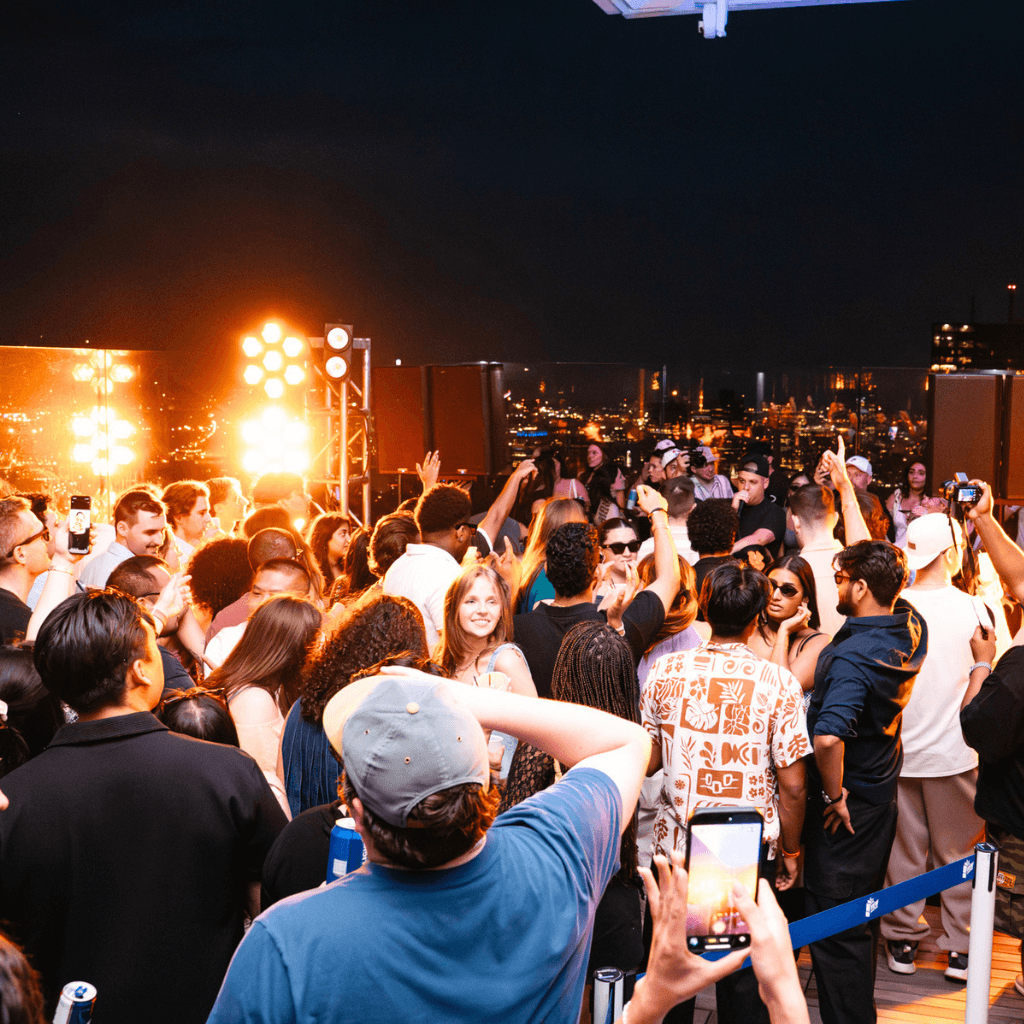
The idea also works for groups with different interests. One person can focus on the skyline, another can take in the city information, and everyone has a shared setting to talk about. The brand’s official ticket information event and dining material extends that social character, although event availability is a separate question from ordinary admission. Anyone considering a group visit should official ticket information check the relevant venue information rather than assume a standard ticket includes private or hosted arrangements.
There is a useful editorial distinction here: a city viewpoint can orient, entertain or provide a setting for an occasion, but no one visit needs to do all three equally. The core value is the panorama with context; dining and events are optional ways of giving the setting a different purpose.
Who is likely to care about this story?
View Boston is an easy fit for travellers who like to get their bearings early, families looking for a shared attraction, and locals hosting someone who has not seen the city from above. It can also suit visitors building an occasion around a drink or an event. The key is to value the setting and the chance to linger, not just the height of the building.
It may be less compelling for a traveller with a very short stop who only wants a free outdoor vista, or for someone whose itinerary already includes several paid attractions and does not leave room to take in the exhibits. Accessibility, operating details and ticket conditions are worth checking directly in advance. The official ticket information visitor information can help with planning; official ticket information confirm the details that matter to your party before setting the day around a visit.
To decide whether the brand fits, ask yourself:
- Do I want a structured attraction or only a quick skyline photograph?
- Would city interpretation make the view more useful to me?
- Do I need a fixed date, flexibility, or a drink included?
- Can I allow enough time to move through several levels at an unhurried pace?
If the first two answers are yes, the venue’s central idea is likely to land. If the draw is only a particular clear-day panorama, stay realistic about weather and visibility. The official ticket information experience page can help you set expectations, while official ticket information planning details should be checked close to the visit.

What should you check before making room for it?
Start with the practical details that can change the shape of a city day. Confirm the selected ticket’s date rules, entry information and included elements on the official regional store. If choosing a flexible option, read its validity terms carefully. For Sips & Sights, check the stated drink inclusion and any age or service conditions. The ticket page is the reliable source for current terms.
Then think about timing. A viewpoint is most satisfying when you are not rushing through it, but the ideal time depends on the day and the weather. Consider whether you would rather see the city in daylight, close to sunset, or after dark; check operating information for the date you have in mind.
Finally, decide what role the stop plays. If it is your introduction to Boston, use the view to identify places to explore later. If it is an evening treat, the drink-inclusive option may feel coherent. If you are fitting it between appointments, a clear schedule may matter more than add-ons. The brand’s official ticket information official pages let you revisit what the visit includes, and official ticket information check the current booking details before finalising the itinerary.
- Review ticket date and entry conditions for the exact option.
- Check current hours, access and visitor guidance for your planned day.
- Allow time for both the indoor elements and outdoor viewing area.
- Keep weather and visibility in mind when the panorama is a priority.
These checks do not make the experience complicated; they simply help match the offer to the day. A little planning keeps a flexible ticket from being unnecessary and helps an included extra feel intentional rather than incidental.
Ready to see Boston from above?
We see View Boston Observation Deck as a considered city attraction: its best idea is pairing the skyline with ways to orient yourself, then letting the guest decide whether a drink or flexible date suits the occasion. For a first-time reader who wants more than a photograph, it is worth comparing with the other stops on the itinerary and allowing enough time to enjoy its different levels.
The honest limitation is that the central appeal depends on clear sightlines and on wanting a ticketed, structured visit. A visitor seeking only a quick viewpoint may not need the full format. Read the official details for the date and ticket you are considering, then choose the option that fits your plans.