









I have a soft spot for a good city viewpoint. Put me somewhere high with a coffee, a camera and half an excuse to stay until the light changes, and I am content. But One World Observatory – New York is interesting because it is not trying to be only a platform for taking one impressive photograph. It is a whole brand built around how New York feels from above, from the first lift ride to the last look towards the harbour.
Set at One World Trade Center in Lower Manhattan, the observatory presents views from around 1,250 feet, with an experience that combines architecture, technology, city history and hospitality. That makes it a useful first stop for anyone planning New York. It works for a weekend visitor, a family, a celebration or anyone who wants a new perspective on a city they think they already know.
What drew me in is the sense that the brand has a point of view: Downtown Manhattan is not a backdrop to be glanced at and forgotten. It is the story. The building, the people below, the bridges, waterways and neighbourhoods all become part of the visit, which is why the name One World Observatory feels like more than a location label. Read the official experience overview and the plan-your-visit information together and that idea becomes clear.
A Downtown New York idea, made into a brand
The brand’s centre of gravity is its location. One World Trade Center gives the observatory a natural connection to Lower Manhattan, but the team builds out from that address with a sequence of welcoming, informative and surprisingly cinematic moments. I like that the promise is not just “go up and look out”. The visit has a beginning, a middle and a reason to linger.
- Place: a high point above the streets of Lower Manhattan, with broad views across New York.
- Story: exhibits and presentations that explain the city rather than assuming visitors already know it.
- Ease: ticket options, priority routes and visit-planning information that let different travellers choose their own pace.
- Hospitality: dining, drinks, group options and retail touches that make the observatory feel like a destination.
That combination matters for a first-time reader because it gives the brand breadth. You can arrive for the iconic view, then discover the SkyPod elevator experience, the See Forever Theater, City Pulse storytelling and the chance to eat above the city. The attraction is still recognisably about looking out, but it has enough layers to feel like an occasion rather than a quick photo queue.

The visual language is equally clear. The spaces frame the skyline, while the technology helps visitors notice details they might miss from street level. For me, that is the brand’s strongest idea: make the city legible, then give people the time and height to appreciate it.
The signature moments that shape the visit
There is a gentle theatricality to One World Observatory, but it never needs to shout. The SkyPod lift turns the journey upwards into part of the attraction, and the arrival experience gives a little context before the skyline takes over. Then the See Forever Theater creates a reveal that feels particularly well suited to a first visit. I am always happier when an attraction earns its drama through detail.
The brand also uses City Pulse to connect the view to the people and energy of New York. Rather than presenting the skyline as a static postcard, these elements suggest that the city is always moving, changing and being made by the people who live in it. That is a more generous introduction for visitors who want a sense of place as well as a memorable photograph.
- Arrive with enough time to take in the building and welcome experience.
- Let the elevator and theatre moments set the context before heading straight to the glass.
- Use the skyline view as a map: rivers, bridges, neighbourhoods and landmarks become easier to place.
- Leave room for a drink, meal or shop browse if you want the visit to become an afternoon or evening plan.
For families, that structure can help keep attention moving. For couples, it creates a natural date-night arc. For solo travellers, it gives you enough to explore without having to manufacture a plan. It is also worth knowing that the brand describes the elevator journey as reaching the top in 47 seconds, a small fact that makes the first transition feel even more remarkable.
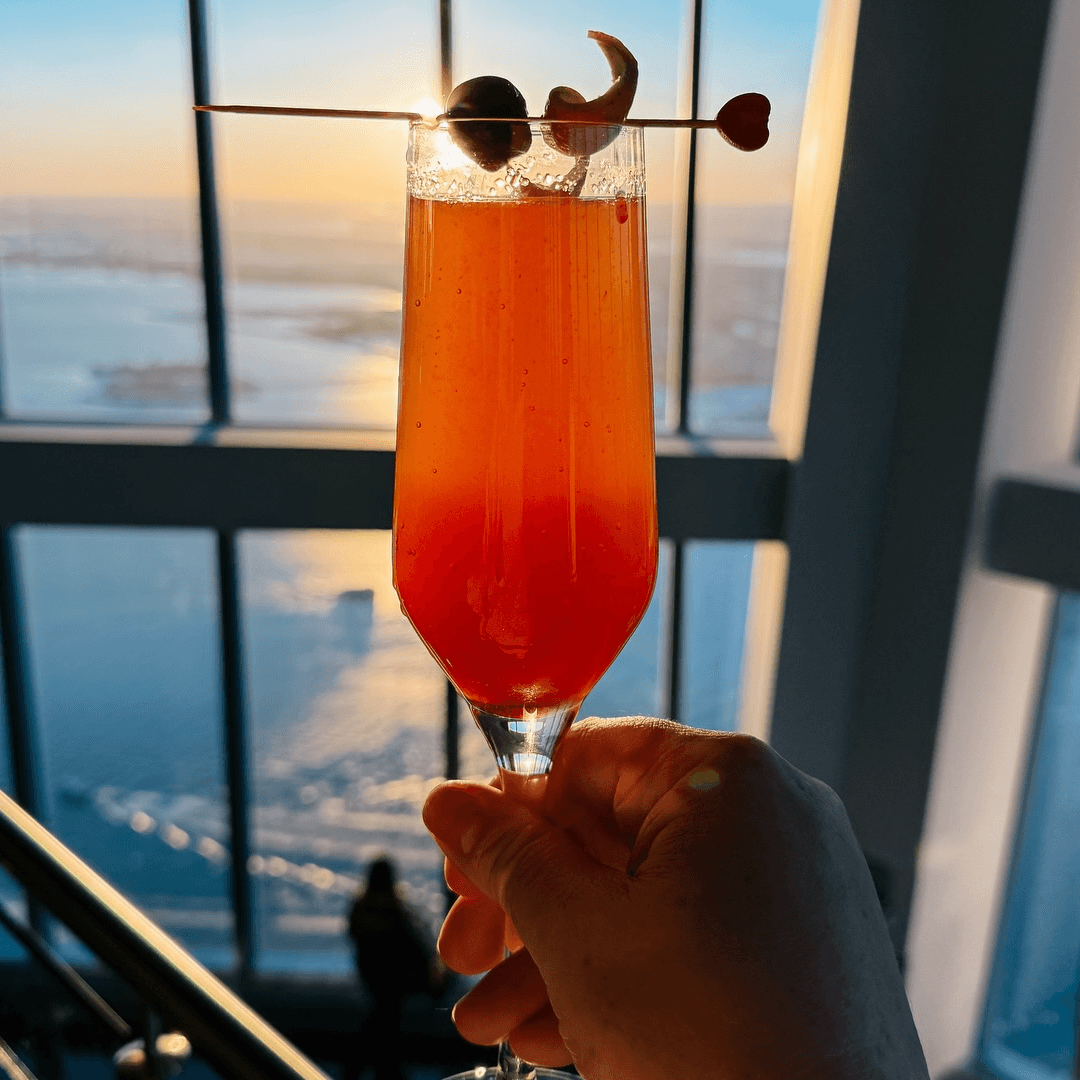
If you want to make the most of that design, I would avoid rushing in at the last minute. Check the One World Observatory visit details and current ticket availability before travelling, then leave enough breathing room for the view to change. The building is doing some of the work, but the best memories usually come when you are not counting down to the next booking.
A range built around different kinds of days
The ticket range is where the brand becomes especially practical. Standard General Admission starts at $44 and keeps the focus on the core view. It makes sense for a first-time visitor who wants the essential experience, is working around a packed sightseeing schedule or would rather spend the budget on lunch afterwards.
The Combination Experience starts at $54 and adds priority entry, the One World Explorer digital skyline guide and a $5 credit to use on shopping, food or drink. That is the sort of middle option I would look at when the day has a firm timetable. Less waiting can be worth more than another add-on, especially in a city where every hour seems to acquire a booking.
- Standard: the simple introduction, with the views as the main event.
- Combination: useful extras for visitors who want priority access and a little more context.
- All-Inclusive: more flexibility, a $15 food, drink or shop credit and a selected arrival period.
- VIP Tour: an escorted entry, $15 credit and a 60-minute guided tour for a more hosted visit.
The All-Inclusive Experience begins at $64. It includes priority entry, the digital guide, a $15 credit and the ability to choose a morning, afternoon or evening arrival. I can see the appeal for a celebratory day, because that flexibility turns the ticket into part of the itinerary instead of another appointment to squeeze in.
At the top, the VIP Tour starts at $74 and adds escorted entry plus a 60-minute guided tour. It is the most obvious choice for someone who wants stories and landmarks explained as they go, or for a group looking for a more structured experience. The prices and availability can change, so I would always check the current ticket page before committing.
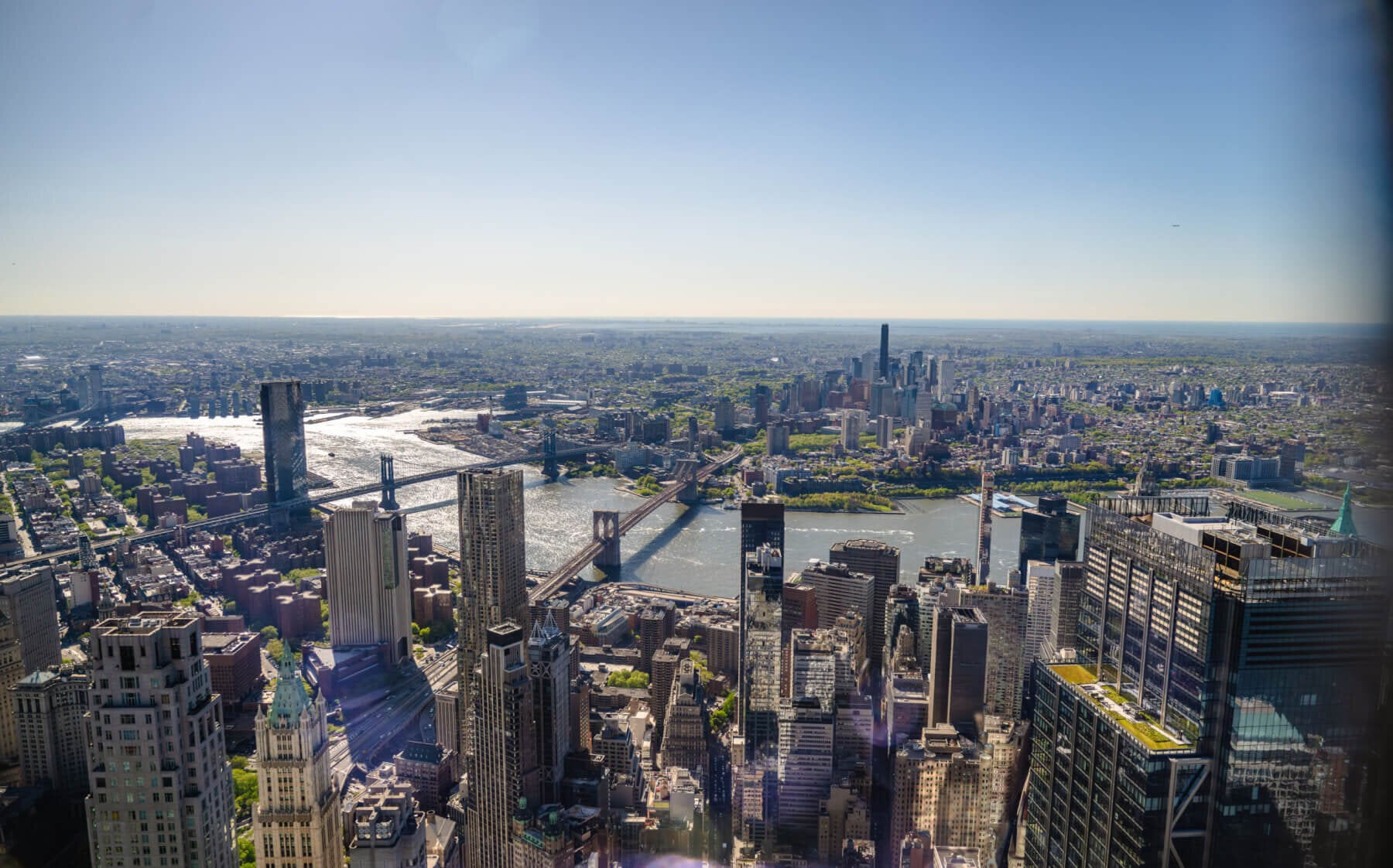
There are also family ticket offers, group, local and late-night offers at different times of year. A group of 10 or more may find the group ticket route especially useful, while New York residents should look for the local offer rather than assuming the headline ticket is the only route in. That flexibility is one of the brand’s more likeable traits: there is a clear flagship visit, but not just one definition of who the visit is for.
ONE Dine and the wider invitation
ONE Dine is what makes the range feel more like a destination brand. The restaurant sits above Manhattan and focuses on seasonal New American food, locally sourced ingredients, bold pairings and cocktails. It is not simply a snack counter attached to an attraction. The whole point is to let the skyline continue into the meal.
If you are planning an anniversary, birthday or a slightly over-the-top first evening in New York, browse the ONE Dine and observatory options together. Observatory admission is required for a la carte dining, and the restaurant also offers ticket and dining bundles. That detail is easy to miss if you think of the brand only as a viewing deck.
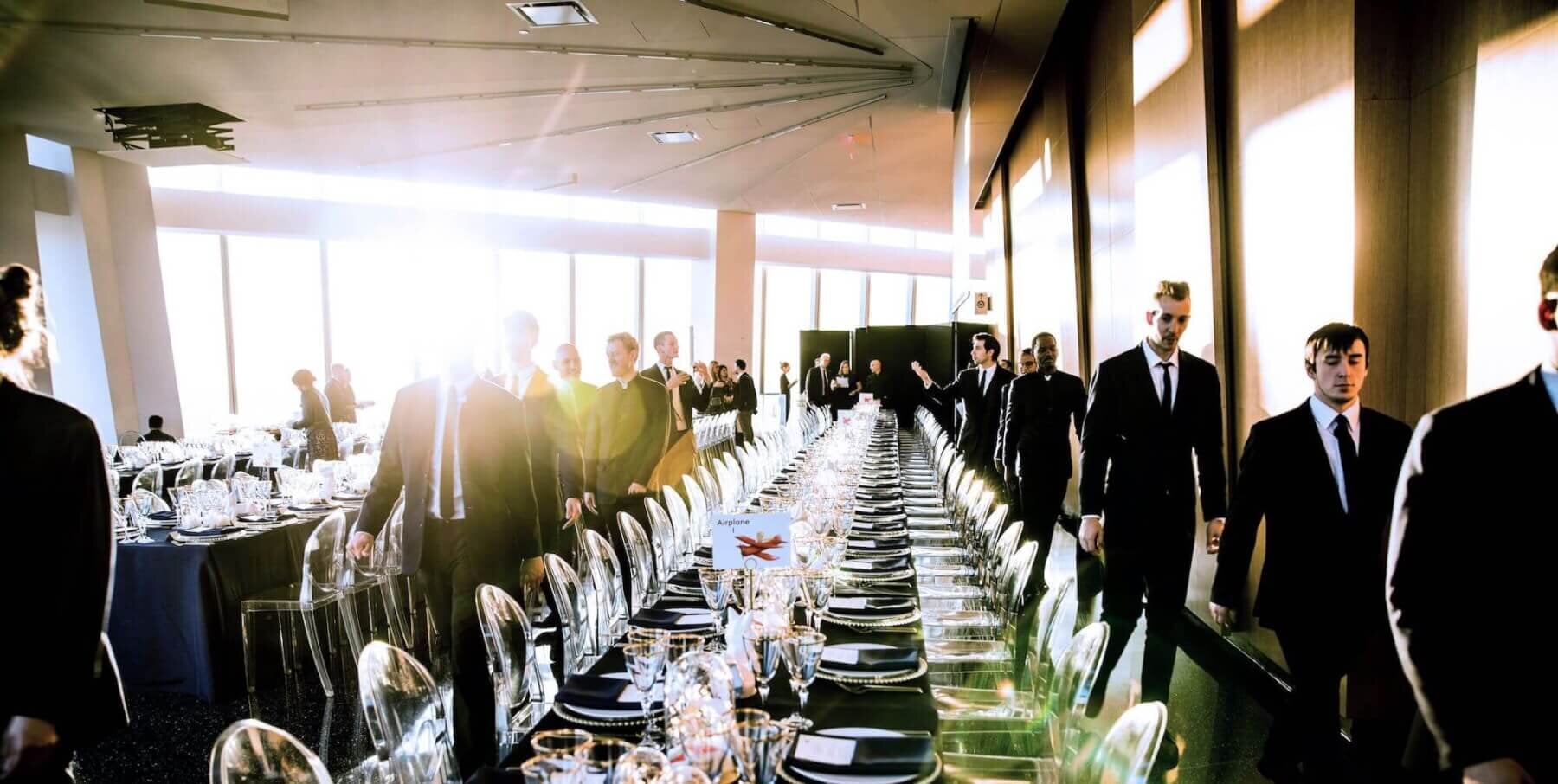
The wider invitation includes groups and private events, the gift shop and Downtown bundles that connect the observatory with nearby New York attractions. I like the logic. A good city brand should give visitors a reason to return, whether that means bringing a different set of friends, booking dinner, or seeing the skyline at a completely different hour.
- A calm morning visit for wide light and an easier family rhythm.
- A late afternoon arrival that moves naturally into sunset and dinner.
- A hosted VIP outing when the stories behind the landmarks matter as much as the view.
- A group celebration with the observation deck and ONE Dine working as one plan.
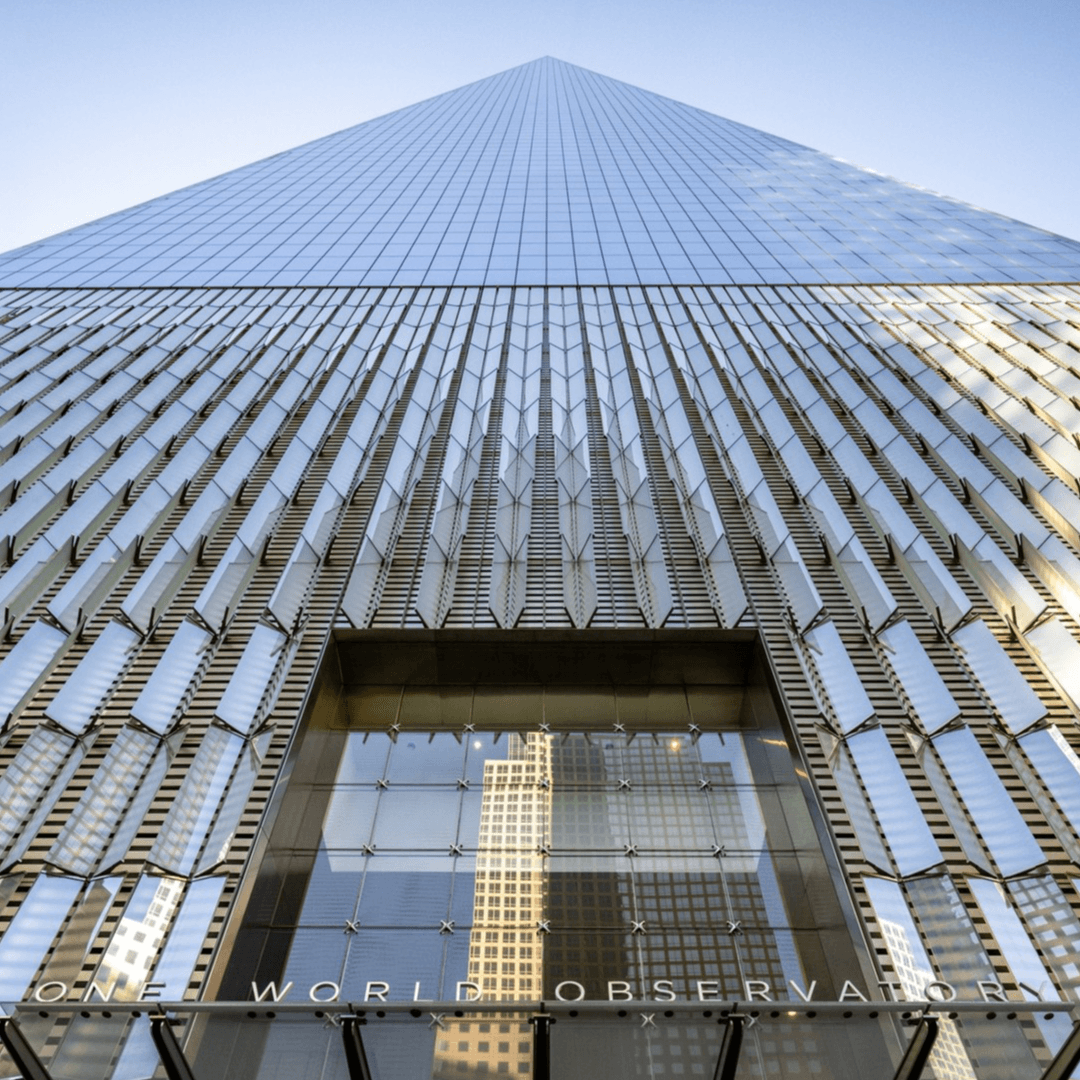
Even the small operational details support that polished feeling. The observatory is cashless, contactless payments are available and hours change seasonally, so checking the current plan-your-visit information is sensible. I would also build in time for security and arrival rather than treating the ticket time as the moment you should be running through the door.
Who will love the One World Observatory approach?
I think One World Observatory – New York suits travellers who want an attraction to carry a little emotional weight. If all you need is the cheapest possible high-up photograph, the Standard ticket is the obvious starting point and you can keep the visit focused. But if you enjoy design, storytelling, food and the feeling that a place has been carefully choreographed, the wider range is where the brand earns your attention.
My ideal first visit would be an early evening arrival, a little time with City Pulse and the view, then a meal at ONE Dine if the budget allowed. I would choose the Combination option for a busy sightseeing day, or All-Inclusive for a special occasion. The VIP Tour is tempting when I want to understand the city rather than simply see it, particularly if I am travelling with someone who loves history and landmarks.
So, why should a first-time reader care? Because this is a brand with a clear idea of what a New York viewpoint can be. It connects height with history, technology with place and a big skyline with the very human pleasures of food, conversation and shared photographs. That balance makes the observatory feel welcoming rather than purely monumental.
My verdict is simple: start with the view, but do not stop reading at the view. Look at the ticket details, consider your timing, and decide if the guide, priority access, tour or dining element fits the kind of day you want. The range is the story, and that is what gives One World Observatory a personality beyond its address.