








Ferry travel is one of those things that seems easy until you have three ports, two operators and a car to fit into the same holiday. I have spent enough time opening separate tabs for schedules to know how quickly a simple crossing becomes a small administrative project. Ferryhopper UK is designed to put that research in one place, but is it actually better than booking direct with the ferry company?
This is my honest comparison of Ferryhopper against the usual alternatives: an operator website, a search engine, or booking at the port. I am looking at the things buyers really compare, including price, route choice, speed, flexibility and what happens when plans change. It is a booking service, so the useful question is not whether it is glamorous. It is whether it removes enough friction to earn a place in my travel plans.
Disclosure: this post includes affiliate links, and we may be paid a commission on purchases made through them.
What does Ferryhopper actually offer ferry travellers?
Ferryhopper is not a ferry operator with its own vessel. It is an online booking engine that brings together schedules and tickets from more than 360 ferry companies, covering over 1,700 destinations in 63 countries. In practical terms, it sells a clearer way to search, compare and organise a ferry trip.
The main promise is breadth. Instead of beginning with a company name, you can start with the journey you actually need. The site highlights over 4,000 routes, including popular crossings such as Dover to Calais, island connections in Greece, and Mediterranean routes such as Barcelona to Ibiza. That is useful when you know your destination but do not yet know the best operator.
- One search: compare available operators, departure times and ticket types together.
- Wide coverage: routes span the UK, Greece, Italy, Spain, Croatia and many more destinations.
- Trip planning: multi-destination bookings help when one ferry is only part of the itinerary.
- After booking: online trip management, ticket changes and travel alerts are built into the service.
That last point is the difference between a useful booking tool and a one-off price page. I can also browse ferry offers, check operator information, and use destination schedules before committing. The service is strongest when the trip is complicated enough that convenience has real value.

Can Ferryhopper match direct ferry prices?
Price is the first comparison most of us make, and the answer needs a little nuance. Ferryhopper says it shows the same prices as ferry companies, alongside exclusive offers and discounts. That means the service is not automatically a bargain on every date, but it should not be adding a mysterious premium simply because it is an intermediary.
For a concrete example, the Dover to Calais ferry page shows fares in the available results, with crossings around 1 hour 30 minutes and up to roughly 20 daily departures. The live fare depends on date, passengers and vehicle, so I would treat the displayed figure as a starting point rather than a promise.
On the Greek side, the Athens to Santorini ferry route shows options, while faster services can cost more. And the Barcelona to Ibiza ferry listing shows fares in the route information. Those starting prices are useful for setting a rough budget, although I would always enter my exact travel details before comparing the final total.
- Check the same date, passenger count and vehicle details on both sites.
- Compare the final total, not only the attractive starting fare.
- Look for baggage, cabin, seat, vehicle and change conditions before paying.
- Check whether a current offer applies to your exact departure.
Booking direct can be the better choice if you already know the operator and want its own loyalty scheme, app or customer account. For a straightforward repeat journey, that familiarity may outweigh comparison. For a new route, though, price transparency plus choice is a strong Ferryhopper advantage. I would use it to establish the market, then only switch to direct if the operator gives me a specific benefit.
How does Ferryhopper simplify ferry route planning?
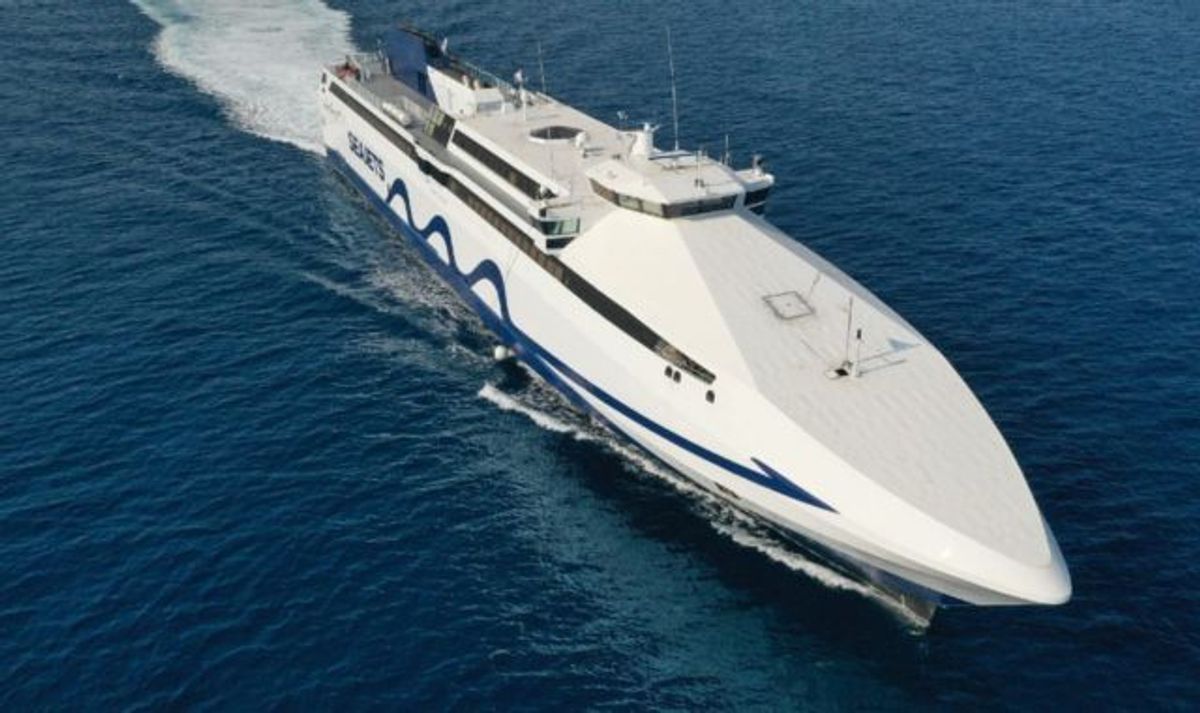
The biggest practical advantage is that I can search by route rather than by brand. On a route such as Dover to Calais, I can see DFDS and Irish Ferries options together. On Athens to Santorini, slower and faster services sit in the same comparison, which makes the trade-off between time and fare much easier to understand.
That matters even more for island hopping. I can begin with Santorini schedules, check nearby island routes, and build a multi-destination plan without repeatedly re-entering every passenger detail. It is not quite the same as a travel agent who knows me personally, but it gives me a useful map of the possibilities before I start making decisions.
The trade-off is that a comparison page can present more choice than a tired traveller wants. I still need to read the fare conditions, check the port, and notice whether a sailing is seasonal. Ferryhopper makes the shortlist easier; it does not remove the need to read the booking details. That is a fair limitation, and one I would also have when booking direct.

Which ferry routes should you compare first?
If I were testing the service with three very different trips, I would start with these bookable route pages. They show the range more honestly than a vague claim about having lots of destinations.
- Dover to Calais: around 1 hour 30 minutes, with daily crossings and a practical car-friendly format.
- Athens to Santorini: several operators and a choice between speed and price.
- Barcelona to Ibiza: useful for comparing a popular Spanish island crossing by date and operator.
The products here are not standard products with fixed specifications. They are journeys, and the important details change with date, passenger type, vehicle and availability. That is why I like seeing the route schedule beside ticket information and current offers. It gives me a clearer starting point than a generic booking button on a company homepage.
For a family driving to France, the first route is the obvious practical test. For a first Greek island holiday, the second shows the benefit of comparing multiple sailing speeds. The third is a good reminder that a short-looking starting fare can be attractive, but only after I have entered my actual travel party and date.

At this point I would use Ferryhopper to compare the options, then save the details of my preferred sailing. The site also offers ticket management, booking changes, and travel disruption alerts, all of which feel more useful once the holiday involves more than one crossing.
What happens to a Ferryhopper booking when plans change?
This is where I would be cautious about making a sweeping promise. A ferry booking is still governed by the operator’s fare rules, so a comparison site cannot make every ticket refundable or every change free. I would read the exact terms shown at checkout, especially for low fares, vehicles and cabins.
Ferryhopper does make the admin side more manageable. Its online modification service and help centre give me a clear place to start, while ferry disruption updates are useful when weather or strikes affect a sailing. Booking direct may still be simpler if a specific operator has cancelled my trip, but I would rather have one organised booking trail than search through old emails.
- Read the change and cancellation terms before checkout.
- Save the booking reference and passenger details somewhere accessible.
- Check the operator alert as well as the general route update.
- Allow extra time at the port, especially with a car or a busy seasonal sailing.
The same goes for customer support. A direct operator may be the most authoritative source for a vessel-specific issue. Ferryhopper is more helpful for the broader booking picture and for comparing the alternatives if I need to rethink the route. That is a sensible division of labour rather than a reason to dismiss either option.

Ready to compare ferry routes and choose your next booking?
My recommendation is Ferryhopper for most new or multi-stop ferry trips. It earns that recommendation through route breadth, visible starting prices, operator comparison and practical planning tools. The service is especially useful when I do not know which company runs the crossing, when I am comparing a fast sailing with a cheaper one, or when several islands need to fit into one itinerary.
Choose Ferryhopper if…
- You are booking an unfamiliar route or several connected crossings.
- You want to compare operators before deciding where to book.
- You value a single place for schedules, tickets and alerts.
- You are hunting for a route offer or a useful starting fare.
Book direct if…
- You already know the operator and use its loyalty programme.
- The direct site offers a benefit that matters to your booking.
- You need a very specific operator policy or account feature.
For me, the best approach is not to treat the two choices as enemies. I would begin with Ferryhopper route comparison, check the live total and conditions, and then decide whether the direct operator offers something better for my exact situation. For the majority of ordinary travellers, that first comparison is the part that saves time and reduces the chance of missing a better sailing.
Ferry travel still has moving parts, but Ferryhopper makes the decision feel less scattered. That is a meaningful advantage, particularly when the holiday is built around ferries rather than one simple crossing. I would recommend it as the first tab I open, with the operator website as a sensible second check.

Before paying, I would enter the real date, passengers and vehicle, check the final price, save the reference and read the conditions. Then I would stop comparing and start looking forward to the sea crossing, which is the whole point.