





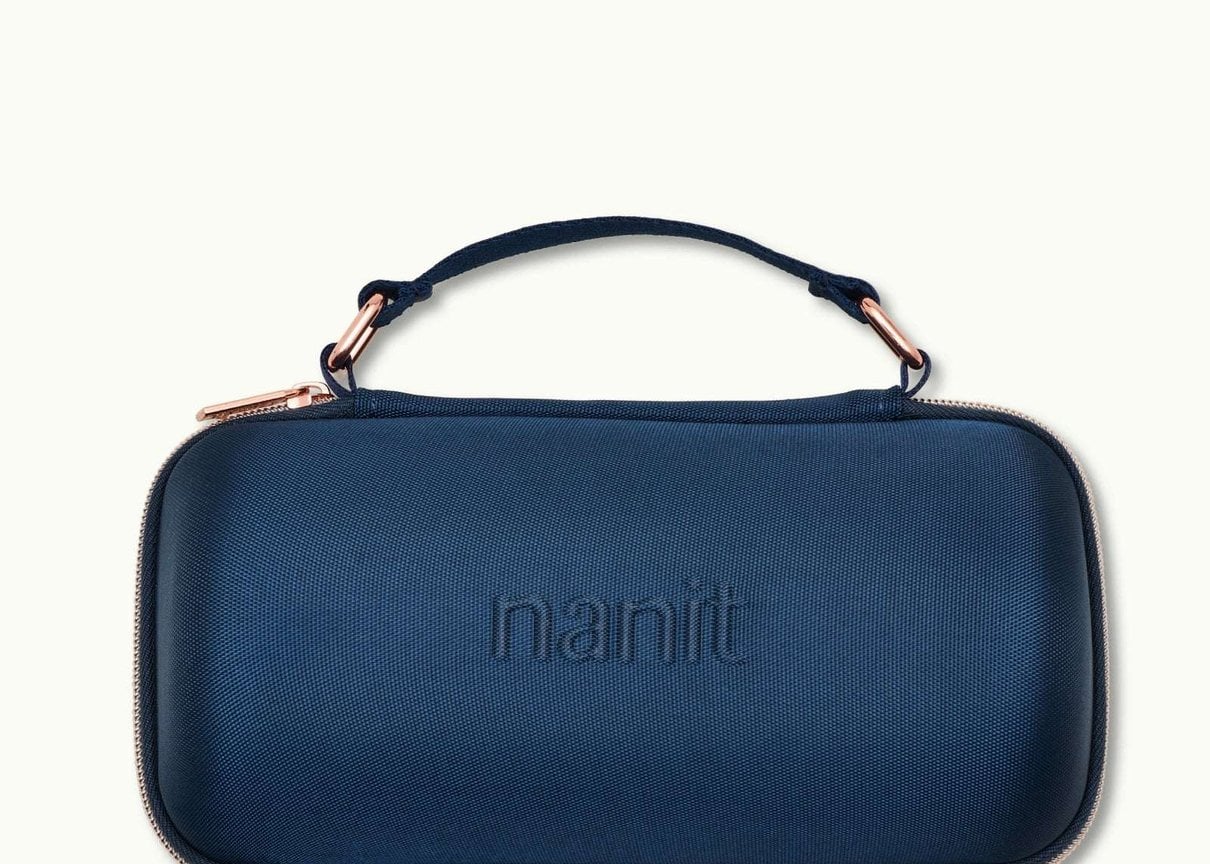

I have reached the stage of parenthood where a “quick check” can become a full expedition: creep down the hall, hold my breath, peer into the cot, then creep back again. A thoughtful nursery setup makes that ritual much less dramatic. This is my practical guide to building one with Nanit, from choosing the camera position to adding sleep and comfort tools only where they genuinely help.
The aim is not to fill a room with gadgets. It is to create a simple chain of useful information: a clear view, a comfortable sleep space, a way to check the room, and a routine you can repeat when everyone is tired. Nanit is a natural fit because its system combines monitoring, flexible mounting and optional wearables in one ecosystem.
Step 1: Start with the room, not the shopping list
Before comparing models, stand where you usually settle the baby and look at the room as if you are planning a tiny film set. You want the cot visible from above, the power route tidy and the camera away from anything a curious hand could pull. The best setup is the one you can understand at 3 a.m., not the one with the longest specification sheet.
- Measure the distance from the cot to the nearest safe mounting point.
- Choose a view that includes the sleep surface without unnecessary furniture around it.
- Keep cables secured and check that the camera cannot be knocked or reached.
- Leave enough room to change the cot arrangement as your baby grows.
For a flexible first setup, the Smart Baby Monitor + Flex Stand is listed at $249.00. The Flex Stand is useful when you are renting, travelling or simply not ready to commit to a wall position. I like that this choice keeps the decision reversible while you learn how the room behaves at nap time.

Step 2: Pick the viewing style that suits your evenings
Next, decide how you will actually look in. If you are happy checking your phone, begin with the camera and app. If you want a dedicated screen for a bedside table, the Home 8" Display is a useful add-on at $179.00. A dedicated display means you can keep the phone for messages and still glance at the nursery without opening another app.
For a growing family, think about whether one viewing point will stay enough. Nanit also lists a Smart Baby Monitor Multi-Pack at $579.00, which may make sense when separate sleep spaces become part of the plan. I would only choose that route if you already know you need multiple camera positions. Otherwise, keep the first system pleasantly simple.
- Phone-first: best when you already carry your phone everywhere.
- Dedicated screen: best when two adults share checks or you want less phone time.
- Multiple rooms: best when the nursery setup is expanding, not merely because a bundle looks impressive.
My rule is to choose the viewing method you will use consistently. A brilliant feature that is buried in a drawer is not much of a bedtime helper. Set your notifications deliberately, keep the volume realistic and make the main screen easy to reach from the place where you do feeds.
Step 3: Match sleep tracking to your real routine
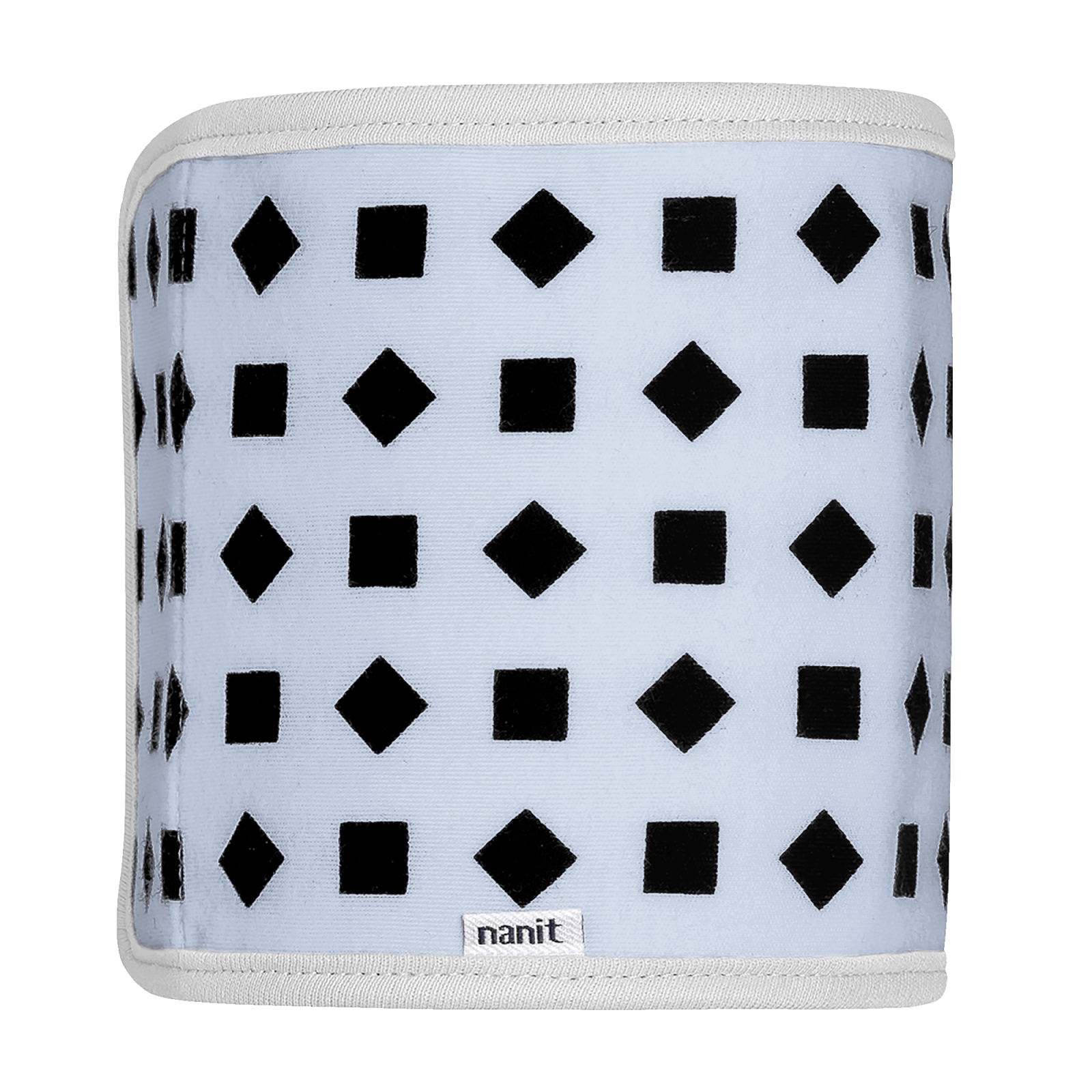
Once the basic view works, decide whether breathing and sleep information would help you feel more confident. Nanit’s Breathing Wear Swaddle is priced at $29.99 and is designed to work with compatible monitoring features. It is a practical option for the early stage when a swaddle is still part of your normal routine, rather than something to buy simply because it sounds clever.

Use it as one part of a calm check-in system, not as a substitute for safe-sleep guidance or your own judgement. I would also check sizing and washing instructions before adding it to the weekly laundry rotation. If your baby has moved beyond swaddling, Nanit offers other Breathing Wear stages, so the useful question is always “what fits our current routine?”
- Choose the sleepwear stage that matches your baby now.
- Set up the camera view before the first night you rely on it.
- Keep alerts helpful and avoid turning every small movement into an interruption.
- Review patterns as information, never as a diagnosis.
For families who want more than a visual check, this is where Nanit feels particularly cohesive. You can start with the camera, add compatible wearables when they make sense, and change the setup as the season and sleep stage change. That modular approach is kinder to both the nursery budget and the spare-room cupboard.
Step 4: Make the nursery comfortable to check
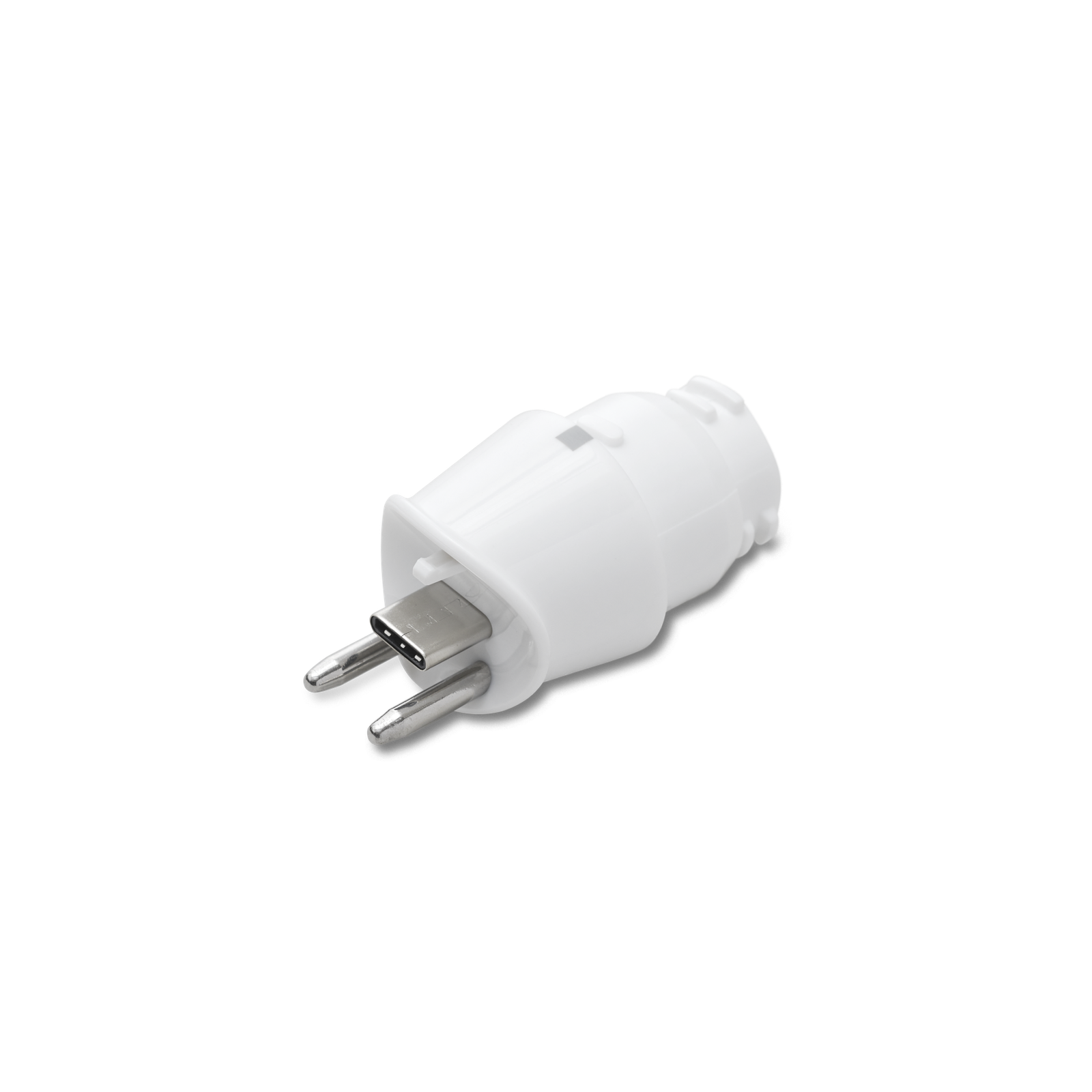
A camera tells you what is happening, but the room itself still matters. Nanit’s Temperature and Humidity Sensor Module is listed at $25.00. It can give you another useful data point when you are deciding whether the room feels stuffy, cool or simply different from the rest of the house.
For sound and light, the Sound + Light Machine is priced at $99.99. I would place it far enough away that it is not an inviting climbing target, then use one consistent sound for settling rather than changing the atmosphere every night. The Sound + Light Travel Pack is another option at $125.00 when the same routine needs to travel with you.
- Keep the sleep surface clear and the walking route uncluttered.
- Use a low, consistent light for feeds rather than bright overhead lighting.
- Check the room at different times of day because daylight can be misleading.
- Pack the travel version only after you know which settings actually help.
This is also a good moment to test the setup without a baby in it. Walk past the cot, open and close the door, and listen from the places where you normally sit. A little rehearsal catches surprising problems, such as a notification you cannot hear over the kettle or a stand that sits exactly where a laundry basket needs to go.
When I compare the options, I think in layers. The Best Sellers Bundle is listed at $369.00, while the Signature Bundle is listed at $439.00. Bundles can be convenient if they match your list, but I would write down the individual jobs first. Does the bundle give you a camera, a stable position, a sleepwear option or a comfort tool you already intended to use?
There are also small accessories that can make the system fit a less standard room. The Wall Mount is listed at $100.00, and a Floor Stand Short Segment is listed at $25.00. I would treat these as room-solving purchases, not automatic upgrades. A compact nursery may benefit from a wall position, while a temporary arrangement may be happier with the Flex Stand.
- Small room: prioritise a clear view and a compact mounting solution.
- Shared room: prioritise quiet alerts and a display you can read quickly.
- Frequent travel: prioritise a portable stand, case and familiar sound routine.
- Changing sleep stage: prioritise modular products rather than a fixed bundle.
One practical advantage of choosing a connected system is that you can make these decisions in stages. Start with the core monitor, live with it for a week, then decide whether the Home Display, sensor or sound machine solves a real friction point. That makes the nursery feel considered, rather than crowded.

Step 5: Build a routine you can repeat
The final step is less about equipment and more about order. My ideal sequence is short: settle the room, check the view, start the same sound if we are using one, and then leave. Repeating those cues gives the nursery a predictable shape and stops me from inventing a new plan every evening.
If the camera needs to move between rooms or homes, the Flex Stand is listed at $49.00. For a more permanent arrangement, Nanit’s Floor Stand is listed at $100.00. Pick the option that matches your household, because a stable position is more useful than a theoretically perfect one you keep changing.
- Do one final power and cable check.
- Confirm the full sleep surface is visible.
- Set the room sound and lighting before settling the baby.
- Use the same short check-in order each night.
- Adjust one thing at a time if sleep becomes unsettled.
That is my version of a calmer Nanit setup: clear view, useful context and fewer frantic decisions. Start with the monitor that solves the immediate problem, then add a display, wearable, sensor or sound machine only when your routine tells you it would earn its place. The best nursery is not the most elaborate one. It is the one that quietly supports everyone in it.