







Dover-Calais sailings, Dublin-Cherbourg, Sail & Rail, and French holiday parks are the four pages we would compare first.
For accommodation, the Eurocamp park list and the individual holiday park options show a different kind of trip from a city hotel. Recheck Dover-Calais information, Dublin-Cherbourg information, rail itinerary details or park facilities as your dates become clear.
Ready to choose your France travel plan?
Our recommendation is conditional but clear: start with Dover-Calais if your trip begins in Britain and you want to drive into France. Choose Dublin-Cherbourg when Ireland is genuinely part of the route, and investigate Sail & Rail if a car-free connection fits your origin. Eurocamp is a sensible next tab for a family or longer stay, provided the specific park and accommodation meet your needs.
The main caveat is that Irish Ferries’ breadth does not make the trip details automatic. You still need to confirm the live sailing, connection, fare conditions and accommodation terms for your own dates. With those checks, the brand offers a useful set of routes and planning options; without them, it is easy to compare unlike journeys.
Dover-Calais sailings, Dublin-Cherbourg, Sail & Rail, and French holiday parks are the four pages we would compare first.
For accommodation, the Eurocamp park list and the individual holiday park options show a different kind of trip from a city hotel. Recheck Dover-Calais information, Dublin-Cherbourg information, rail itinerary details or park facilities as your dates become clear.
Ready to choose your France travel plan?
Our recommendation is conditional but clear: start with Dover-Calais if your trip begins in Britain and you want to drive into France. Choose Dublin-Cherbourg when Ireland is genuinely part of the route, and investigate Sail & Rail if a car-free connection fits your origin. Eurocamp is a sensible next tab for a family or longer stay, provided the specific park and accommodation meet your needs.
The main caveat is that Irish Ferries’ breadth does not make the trip details automatic. You still need to confirm the live sailing, connection, fare conditions and accommodation terms for your own dates. With those checks, the brand offers a useful set of routes and planning options; without them, it is easy to compare unlike journeys.
Dover-Calais sailings, Dublin-Cherbourg, Sail & Rail, and French holiday parks are the four pages we would compare first.
For Britain-based drivers, Dover-Calais is the clearest first comparison. Ireland-based travellers should start with Dublin-Cherbourg; car-free travellers should verify Sail & Rail connections; and families considering a park stay should inspect the specific Eurocamp listing. Those are starting recommendations, not claims that each option fits every date or itinerary.
How should you compare before booking?
We would narrow the choice in this order, keeping the itinerary rather than the marketing page at the centre:
- Write down your real starting point and where you want to arrive. Compare the full journey to the port, not only time at sea.
- Decide whether taking a car is valuable for the French portion. If not, check rail connections and transfers before selecting Sail & Rail.
- Match the travel option to the stay: a park holiday, a touring route and a short city break need different transport patterns.
- Open the exact sailing and accommodation terms, including changes, luggage, vehicle details and check-in instructions.
- Compare the complete itinerary and current booking totals once dates and extras are known.
This sequence helps avoid choosing a crossing because it looks familiar and then discovering that the port or onward leg adds friction. It also keeps the accommodation decision honest: a holiday park is attractive when you will use its space and facilities, not simply because it appears alongside a ferry.
For another pass through the details, revisit the Dover crossing page, the Dublin route page, the rail option, and the holiday park listings. These route and stay pages should be read as separate choices that can be combined only where the booking terms support it.
Use the Dover route page to check the port details; the listed sailings can then be weighed against your drive. For an Ireland-based plan, the Dublin-Cherbourg route and its sailing information are the relevant pages. Readers without a car can compare Sail & Rail with its connection details before deciding whether the transfers work.
For accommodation, the Eurocamp park list and the individual holiday park options show a different kind of trip from a city hotel. Recheck Dover-Calais information, Dublin-Cherbourg information, rail itinerary details or park facilities as your dates become clear.
Ready to choose your France travel plan?
Our recommendation is conditional but clear: start with Dover-Calais if your trip begins in Britain and you want to drive into France. Choose Dublin-Cherbourg when Ireland is genuinely part of the route, and investigate Sail & Rail if a car-free connection fits your origin. Eurocamp is a sensible next tab for a family or longer stay, provided the specific park and accommodation meet your needs.
The main caveat is that Irish Ferries’ breadth does not make the trip details automatic. You still need to confirm the live sailing, connection, fare conditions and accommodation terms for your own dates. With those checks, the brand offers a useful set of routes and planning options; without them, it is easy to compare unlike journeys.
Dover-Calais sailings, Dublin-Cherbourg, Sail & Rail, and French holiday parks are the four pages we would compare first.
How do the four choices compare?
| Option | Best starting point | Main advantage | Check first |
|---|---|---|---|
| Dover-Calais | Britain, with a car | Direct Channel crossing for a road itinerary | Port travel, sailing time and vehicle terms |
| Dublin-Cherbourg | Ireland or a trip routed through Dublin | Direct Ireland-France ferry link | Ship, timetable and onward drive |
| Sail & Rail | Travellers planning a rail connection | Car-free ferry and train itinerary | Transfers, station links and luggage |
| Eurocamp parks | Longer family or group stay | Accommodation and facilities in one browsing path | Individual park, included facilities and terms |
For Britain-based drivers, Dover-Calais is the clearest first comparison. Ireland-based travellers should start with Dublin-Cherbourg; car-free travellers should verify Sail & Rail connections; and families considering a park stay should inspect the specific Eurocamp listing. Those are starting recommendations, not claims that each option fits every date or itinerary.
How should you compare before booking?
We would narrow the choice in this order, keeping the itinerary rather than the marketing page at the centre:
- Write down your real starting point and where you want to arrive. Compare the full journey to the port, not only time at sea.
- Decide whether taking a car is valuable for the French portion. If not, check rail connections and transfers before selecting Sail & Rail.
- Match the travel option to the stay: a park holiday, a touring route and a short city break need different transport patterns.
- Open the exact sailing and accommodation terms, including changes, luggage, vehicle details and check-in instructions.
- Compare the complete itinerary and current booking totals once dates and extras are known.
This sequence helps avoid choosing a crossing because it looks familiar and then discovering that the port or onward leg adds friction. It also keeps the accommodation decision honest: a holiday park is attractive when you will use its space and facilities, not simply because it appears alongside a ferry.
For another pass through the details, revisit the Dover crossing page, the Dublin route page, the rail option, and the holiday park listings. These route and stay pages should be read as separate choices that can be combined only where the booking terms support it.
Use the Dover route page to check the port details; the listed sailings can then be weighed against your drive. For an Ireland-based plan, the Dublin-Cherbourg route and its sailing information are the relevant pages. Readers without a car can compare Sail & Rail with its connection details before deciding whether the transfers work.
For accommodation, the Eurocamp park list and the individual holiday park options show a different kind of trip from a city hotel. Recheck Dover-Calais information, Dublin-Cherbourg information, rail itinerary details or park facilities as your dates become clear.
Ready to choose your France travel plan?
Our recommendation is conditional but clear: start with Dover-Calais if your trip begins in Britain and you want to drive into France. Choose Dublin-Cherbourg when Ireland is genuinely part of the route, and investigate Sail & Rail if a car-free connection fits your origin. Eurocamp is a sensible next tab for a family or longer stay, provided the specific park and accommodation meet your needs.
The main caveat is that Irish Ferries’ breadth does not make the trip details automatic. You still need to confirm the live sailing, connection, fare conditions and accommodation terms for your own dates. With those checks, the brand offers a useful set of routes and planning options; without them, it is easy to compare unlike journeys.
Dover-Calais sailings, Dublin-Cherbourg, Sail & Rail, and French holiday parks are the four pages we would compare first.
What are the strongest points and the limits?
The brand’s strongest point is breadth. Within the same UK regional site, readers can explore a UK-France crossing, an Ireland-France route, a rail combination and selected holidays. That is genuinely useful when you are still shaping the trip. The clear route pages and linked planning material make it easier to compare different travel modes than a ferry-only booking page would.
- Route choice: Dover-Calais serves Britain-based drivers; Dublin-Cherbourg serves trips routed through Ireland.
- Car-free planning: Sail & Rail puts a train-based alternative on the table.
- Stay ideas: Eurocamp pages connect travel research with holiday park options.
- Flexibility to compare: route, sailing, accommodation and extras can be considered around your own itinerary.
The limits are just as material. A wide menu can make the site feel like one integrated trip planner even when pieces may require separate checks or bookings. Routes are not interchangeable, and a UK traveller should not assume an Ireland-focused rail product is a straightforward fit. The ferry’s convenience also depends on port access, departure times and the onward drive or connection.
There is a research gap that matters for final decisions: a landing page can introduce the offer, but the exact fare conditions, included services, sailing assignment and accommodation terms live deeper in the booking journey. We recommend checking those details before comparing total trip cost with alternatives. No headline route description can tell you whether your dates, vehicle, cabin preference or transfer needs are covered.

How do the four choices compare?
| Option | Best starting point | Main advantage | Check first |
|---|---|---|---|
| Dover-Calais | Britain, with a car | Direct Channel crossing for a road itinerary | Port travel, sailing time and vehicle terms |
| Dublin-Cherbourg | Ireland or a trip routed through Dublin | Direct Ireland-France ferry link | Ship, timetable and onward drive |
| Sail & Rail | Travellers planning a rail connection | Car-free ferry and train itinerary | Transfers, station links and luggage |
| Eurocamp parks | Longer family or group stay | Accommodation and facilities in one browsing path | Individual park, included facilities and terms |
For Britain-based drivers, Dover-Calais is the clearest first comparison. Ireland-based travellers should start with Dublin-Cherbourg; car-free travellers should verify Sail & Rail connections; and families considering a park stay should inspect the specific Eurocamp listing. Those are starting recommendations, not claims that each option fits every date or itinerary.
How should you compare before booking?
We would narrow the choice in this order, keeping the itinerary rather than the marketing page at the centre:
- Write down your real starting point and where you want to arrive. Compare the full journey to the port, not only time at sea.
- Decide whether taking a car is valuable for the French portion. If not, check rail connections and transfers before selecting Sail & Rail.
- Match the travel option to the stay: a park holiday, a touring route and a short city break need different transport patterns.
- Open the exact sailing and accommodation terms, including changes, luggage, vehicle details and check-in instructions.
- Compare the complete itinerary and current booking totals once dates and extras are known.
This sequence helps avoid choosing a crossing because it looks familiar and then discovering that the port or onward leg adds friction. It also keeps the accommodation decision honest: a holiday park is attractive when you will use its space and facilities, not simply because it appears alongside a ferry.
For another pass through the details, revisit the Dover crossing page, the Dublin route page, the rail option, and the holiday park listings. These route and stay pages should be read as separate choices that can be combined only where the booking terms support it.
Use the Dover route page to check the port details; the listed sailings can then be weighed against your drive. For an Ireland-based plan, the Dublin-Cherbourg route and its sailing information are the relevant pages. Readers without a car can compare Sail & Rail with its connection details before deciding whether the transfers work.
For accommodation, the Eurocamp park list and the individual holiday park options show a different kind of trip from a city hotel. Recheck Dover-Calais information, Dublin-Cherbourg information, rail itinerary details or park facilities as your dates become clear.
Ready to choose your France travel plan?
Our recommendation is conditional but clear: start with Dover-Calais if your trip begins in Britain and you want to drive into France. Choose Dublin-Cherbourg when Ireland is genuinely part of the route, and investigate Sail & Rail if a car-free connection fits your origin. Eurocamp is a sensible next tab for a family or longer stay, provided the specific park and accommodation meet your needs.
The main caveat is that Irish Ferries’ breadth does not make the trip details automatic. You still need to confirm the live sailing, connection, fare conditions and accommodation terms for your own dates. With those checks, the brand offers a useful set of routes and planning options; without them, it is easy to compare unlike journeys.
Dover-Calais sailings, Dublin-Cherbourg, Sail & Rail, and French holiday parks are the four pages we would compare first.
Do the holiday parks add meaningful value?
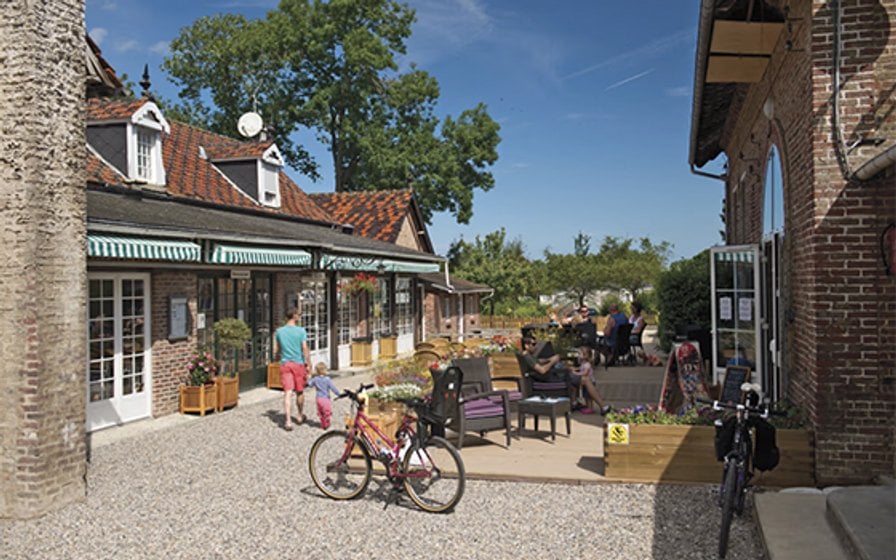
Irish Ferries also links crossings with French accommodation ideas, including Eurocamp holiday parks. The pages show parks and facilities such as pools and family activities, which can help turn a transport search into a broader trip plan. A holiday park may suit families or groups who want facilities on site and a base for exploring, while a city break or a tightly scheduled touring trip may call for a different kind of stay.
Look at the named park and accommodation type, not just the destination image. Facilities differ by property and season, and a pool or activity shown in a gallery should not be read as confirmation that every feature will be open on your dates. Check what the accommodation includes, the location relative to your planned stops, cancellation terms and whether the ferry and stay are being booked as a bundle or as separate components.
The Eurocamp holiday parks in France pages are helpful for browsing the range, but the accommodation choice remains the key decision. Review the individual park details for setting, facilities and travel distance. A campsite can offer space and flexibility for a family, yet be less convenient for travellers who want walkable town-centre restaurants or a one-night stop.
Eurocamp holiday parks in France allows you to compare the listed stays; inspect the park details before assuming the imagery represents the exact accommodation you would book. We see this as a useful extension to the ferry offer, not a reason on its own to choose a route.
What are the strongest points and the limits?
The brand’s strongest point is breadth. Within the same UK regional site, readers can explore a UK-France crossing, an Ireland-France route, a rail combination and selected holidays. That is genuinely useful when you are still shaping the trip. The clear route pages and linked planning material make it easier to compare different travel modes than a ferry-only booking page would.
- Route choice: Dover-Calais serves Britain-based drivers; Dublin-Cherbourg serves trips routed through Ireland.
- Car-free planning: Sail & Rail puts a train-based alternative on the table.
- Stay ideas: Eurocamp pages connect travel research with holiday park options.
- Flexibility to compare: route, sailing, accommodation and extras can be considered around your own itinerary.
The limits are just as material. A wide menu can make the site feel like one integrated trip planner even when pieces may require separate checks or bookings. Routes are not interchangeable, and a UK traveller should not assume an Ireland-focused rail product is a straightforward fit. The ferry’s convenience also depends on port access, departure times and the onward drive or connection.
There is a research gap that matters for final decisions: a landing page can introduce the offer, but the exact fare conditions, included services, sailing assignment and accommodation terms live deeper in the booking journey. We recommend checking those details before comparing total trip cost with alternatives. No headline route description can tell you whether your dates, vehicle, cabin preference or transfer needs are covered.
How do the four choices compare?
| Option | Best starting point | Main advantage | Check first |
|---|---|---|---|
| Dover-Calais | Britain, with a car | Direct Channel crossing for a road itinerary | Port travel, sailing time and vehicle terms |
| Dublin-Cherbourg | Ireland or a trip routed through Dublin | Direct Ireland-France ferry link | Ship, timetable and onward drive |
| Sail & Rail | Travellers planning a rail connection | Car-free ferry and train itinerary | Transfers, station links and luggage |
| Eurocamp parks | Longer family or group stay | Accommodation and facilities in one browsing path | Individual park, included facilities and terms |
For Britain-based drivers, Dover-Calais is the clearest first comparison. Ireland-based travellers should start with Dublin-Cherbourg; car-free travellers should verify Sail & Rail connections; and families considering a park stay should inspect the specific Eurocamp listing. Those are starting recommendations, not claims that each option fits every date or itinerary.
How should you compare before booking?
We would narrow the choice in this order, keeping the itinerary rather than the marketing page at the centre:
- Write down your real starting point and where you want to arrive. Compare the full journey to the port, not only time at sea.
- Decide whether taking a car is valuable for the French portion. If not, check rail connections and transfers before selecting Sail & Rail.
- Match the travel option to the stay: a park holiday, a touring route and a short city break need different transport patterns.
- Open the exact sailing and accommodation terms, including changes, luggage, vehicle details and check-in instructions.
- Compare the complete itinerary and current booking totals once dates and extras are known.
This sequence helps avoid choosing a crossing because it looks familiar and then discovering that the port or onward leg adds friction. It also keeps the accommodation decision honest: a holiday park is attractive when you will use its space and facilities, not simply because it appears alongside a ferry.
For another pass through the details, revisit the Dover crossing page, the Dublin route page, the rail option, and the holiday park listings. These route and stay pages should be read as separate choices that can be combined only where the booking terms support it.
Use the Dover route page to check the port details; the listed sailings can then be weighed against your drive. For an Ireland-based plan, the Dublin-Cherbourg route and its sailing information are the relevant pages. Readers without a car can compare Sail & Rail with its connection details before deciding whether the transfers work.
For accommodation, the Eurocamp park list and the individual holiday park options show a different kind of trip from a city hotel. Recheck Dover-Calais information, Dublin-Cherbourg information, rail itinerary details or park facilities as your dates become clear.
Ready to choose your France travel plan?
Our recommendation is conditional but clear: start with Dover-Calais if your trip begins in Britain and you want to drive into France. Choose Dublin-Cherbourg when Ireland is genuinely part of the route, and investigate Sail & Rail if a car-free connection fits your origin. Eurocamp is a sensible next tab for a family or longer stay, provided the specific park and accommodation meet your needs.
The main caveat is that Irish Ferries’ breadth does not make the trip details automatic. You still need to confirm the live sailing, connection, fare conditions and accommodation terms for your own dates. With those checks, the brand offers a useful set of routes and planning options; without them, it is easy to compare unlike journeys.
Dover-Calais sailings, Dublin-Cherbourg, Sail & Rail, and French holiday parks are the four pages we would compare first.
Is Sail & Rail a credible car-free alternative?
Sail & Rail to France is the most distinctive part of the offer for readers who do not want to take a car. The concept combines a ferry leg with onward rail travel, which can make a multi-stage journey easier to consider in one place. It is especially relevant if you are starting in Ireland, since the listed service is framed around Ireland-France travel. Travellers beginning in Britain should confirm the exact connection available to them rather than assume the same itinerary applies.
Bundling can reduce the amount of separate searching, but it does not erase transfers or timetable constraints. Look closely at station connections, how much time is allowed between legs, baggage handling, accessibility needs and what happens if a service changes. If your group has children, mobility needs or a lot of luggage, a route that looks neat on a page still deserves a practical transfer check.
The Sail & Rail page is a useful planning lead, and we like that it makes a car-free route visible beside the driving options. Its limitation is that the reader still needs to understand the rail portion and the connections for their exact origin and destination. Open the route details and verify each leg before treating the itinerary as door-to-door.
Sail & Rail to France gives you a place to begin; review the connection information against your preferred destination. The option suits flexible travellers who are comfortable with a transfer-based trip. Drivers, meanwhile, may find a vehicle crossing simpler if they need to carry equipment or travel between several rural stops.
Do the holiday parks add meaningful value?
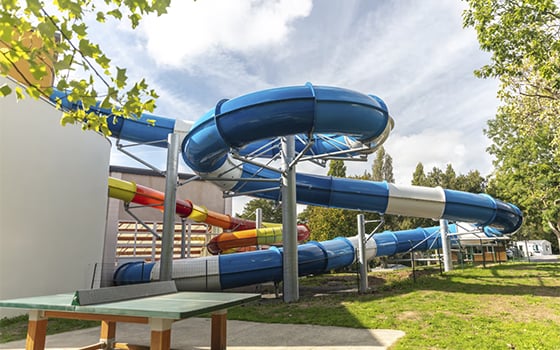
Irish Ferries also links crossings with French accommodation ideas, including Eurocamp holiday parks. The pages show parks and facilities such as pools and family activities, which can help turn a transport search into a broader trip plan. A holiday park may suit families or groups who want facilities on site and a base for exploring, while a city break or a tightly scheduled touring trip may call for a different kind of stay.
Look at the named park and accommodation type, not just the destination image. Facilities differ by property and season, and a pool or activity shown in a gallery should not be read as confirmation that every feature will be open on your dates. Check what the accommodation includes, the location relative to your planned stops, cancellation terms and whether the ferry and stay are being booked as a bundle or as separate components.
The Eurocamp holiday parks in France pages are helpful for browsing the range, but the accommodation choice remains the key decision. Review the individual park details for setting, facilities and travel distance. A campsite can offer space and flexibility for a family, yet be less convenient for travellers who want walkable town-centre restaurants or a one-night stop.
Eurocamp holiday parks in France allows you to compare the listed stays; inspect the park details before assuming the imagery represents the exact accommodation you would book. We see this as a useful extension to the ferry offer, not a reason on its own to choose a route.
What are the strongest points and the limits?
The brand’s strongest point is breadth. Within the same UK regional site, readers can explore a UK-France crossing, an Ireland-France route, a rail combination and selected holidays. That is genuinely useful when you are still shaping the trip. The clear route pages and linked planning material make it easier to compare different travel modes than a ferry-only booking page would.
- Route choice: Dover-Calais serves Britain-based drivers; Dublin-Cherbourg serves trips routed through Ireland.
- Car-free planning: Sail & Rail puts a train-based alternative on the table.
- Stay ideas: Eurocamp pages connect travel research with holiday park options.
- Flexibility to compare: route, sailing, accommodation and extras can be considered around your own itinerary.
The limits are just as material. A wide menu can make the site feel like one integrated trip planner even when pieces may require separate checks or bookings. Routes are not interchangeable, and a UK traveller should not assume an Ireland-focused rail product is a straightforward fit. The ferry’s convenience also depends on port access, departure times and the onward drive or connection.
There is a research gap that matters for final decisions: a landing page can introduce the offer, but the exact fare conditions, included services, sailing assignment and accommodation terms live deeper in the booking journey. We recommend checking those details before comparing total trip cost with alternatives. No headline route description can tell you whether your dates, vehicle, cabin preference or transfer needs are covered.
How do the four choices compare?
| Option | Best starting point | Main advantage | Check first |
|---|---|---|---|
| Dover-Calais | Britain, with a car | Direct Channel crossing for a road itinerary | Port travel, sailing time and vehicle terms |
| Dublin-Cherbourg | Ireland or a trip routed through Dublin | Direct Ireland-France ferry link | Ship, timetable and onward drive |
| Sail & Rail | Travellers planning a rail connection | Car-free ferry and train itinerary | Transfers, station links and luggage |
| Eurocamp parks | Longer family or group stay | Accommodation and facilities in one browsing path | Individual park, included facilities and terms |
For Britain-based drivers, Dover-Calais is the clearest first comparison. Ireland-based travellers should start with Dublin-Cherbourg; car-free travellers should verify Sail & Rail connections; and families considering a park stay should inspect the specific Eurocamp listing. Those are starting recommendations, not claims that each option fits every date or itinerary.
How should you compare before booking?
We would narrow the choice in this order, keeping the itinerary rather than the marketing page at the centre:
- Write down your real starting point and where you want to arrive. Compare the full journey to the port, not only time at sea.
- Decide whether taking a car is valuable for the French portion. If not, check rail connections and transfers before selecting Sail & Rail.
- Match the travel option to the stay: a park holiday, a touring route and a short city break need different transport patterns.
- Open the exact sailing and accommodation terms, including changes, luggage, vehicle details and check-in instructions.
- Compare the complete itinerary and current booking totals once dates and extras are known.
This sequence helps avoid choosing a crossing because it looks familiar and then discovering that the port or onward leg adds friction. It also keeps the accommodation decision honest: a holiday park is attractive when you will use its space and facilities, not simply because it appears alongside a ferry.
For another pass through the details, revisit the Dover crossing page, the Dublin route page, the rail option, and the holiday park listings. These route and stay pages should be read as separate choices that can be combined only where the booking terms support it.
Use the Dover route page to check the port details; the listed sailings can then be weighed against your drive. For an Ireland-based plan, the Dublin-Cherbourg route and its sailing information are the relevant pages. Readers without a car can compare Sail & Rail with its connection details before deciding whether the transfers work.
For accommodation, the Eurocamp park list and the individual holiday park options show a different kind of trip from a city hotel. Recheck Dover-Calais information, Dublin-Cherbourg information, rail itinerary details or park facilities as your dates become clear.
Ready to choose your France travel plan?
Our recommendation is conditional but clear: start with Dover-Calais if your trip begins in Britain and you want to drive into France. Choose Dublin-Cherbourg when Ireland is genuinely part of the route, and investigate Sail & Rail if a car-free connection fits your origin. Eurocamp is a sensible next tab for a family or longer stay, provided the specific park and accommodation meet your needs.
The main caveat is that Irish Ferries’ breadth does not make the trip details automatic. You still need to confirm the live sailing, connection, fare conditions and accommodation terms for your own dates. With those checks, the brand offers a useful set of routes and planning options; without them, it is easy to compare unlike journeys.
Dover-Calais sailings, Dublin-Cherbourg, Sail & Rail, and French holiday parks are the four pages we would compare first.
When does Dublin-Cherbourg make more sense?
Dublin-Cherbourg links Ireland and France directly, so it makes sense if Dublin is already a natural starting point or part of a wider Ireland trip. It is not a like-for-like alternative to Dover-Calais for most UK residents: reaching Dublin involves extra travel, and the crossing has a different shape to a short Channel hop. The route can reduce backtracking for travellers already in Ireland, while being an unnecessary detour for many others.
Irish Ferries presents the crossing as a route with onboard accommodation and facilities, but specifics can vary by ship and sailing. Check the ship assigned to your departure, the cabin or seating choices offered, and whether the crossing time suits your travel rhythm. If a longer journey is welcome as part of the holiday, that may be a feature. If the aim is simply to reach northern France quickly, it may not be.
Read the Dublin-Cherbourg route details alongside the live sailing selector. The page is a concrete product, not a promise that a particular vessel or timetable will always apply. We would use it to check port locations, crossing duration, inclusions and what the fare rules mean for amendments. The route earns its place for an Ireland-based itinerary, not as a universal recommendation for UK travellers.
Dublin-Cherbourg route connects the two countries directly; check its sailing information before building a French hotel night around arrival. If your plans begin in Britain, compare the driving distance to Dover with the extra transport needed to reach Dublin, rather than focusing on crossing time alone.

Is Sail & Rail a credible car-free alternative?
Sail & Rail to France is the most distinctive part of the offer for readers who do not want to take a car. The concept combines a ferry leg with onward rail travel, which can make a multi-stage journey easier to consider in one place. It is especially relevant if you are starting in Ireland, since the listed service is framed around Ireland-France travel. Travellers beginning in Britain should confirm the exact connection available to them rather than assume the same itinerary applies.
Bundling can reduce the amount of separate searching, but it does not erase transfers or timetable constraints. Look closely at station connections, how much time is allowed between legs, baggage handling, accessibility needs and what happens if a service changes. If your group has children, mobility needs or a lot of luggage, a route that looks neat on a page still deserves a practical transfer check.
The Sail & Rail page is a useful planning lead, and we like that it makes a car-free route visible beside the driving options. Its limitation is that the reader still needs to understand the rail portion and the connections for their exact origin and destination. Open the route details and verify each leg before treating the itinerary as door-to-door.
Sail & Rail to France gives you a place to begin; review the connection information against your preferred destination. The option suits flexible travellers who are comfortable with a transfer-based trip. Drivers, meanwhile, may find a vehicle crossing simpler if they need to carry equipment or travel between several rural stops.
Do the holiday parks add meaningful value?
Irish Ferries also links crossings with French accommodation ideas, including Eurocamp holiday parks. The pages show parks and facilities such as pools and family activities, which can help turn a transport search into a broader trip plan. A holiday park may suit families or groups who want facilities on site and a base for exploring, while a city break or a tightly scheduled touring trip may call for a different kind of stay.
Look at the named park and accommodation type, not just the destination image. Facilities differ by property and season, and a pool or activity shown in a gallery should not be read as confirmation that every feature will be open on your dates. Check what the accommodation includes, the location relative to your planned stops, cancellation terms and whether the ferry and stay are being booked as a bundle or as separate components.
The Eurocamp holiday parks in France pages are helpful for browsing the range, but the accommodation choice remains the key decision. Review the individual park details for setting, facilities and travel distance. A campsite can offer space and flexibility for a family, yet be less convenient for travellers who want walkable town-centre restaurants or a one-night stop.
Eurocamp holiday parks in France allows you to compare the listed stays; inspect the park details before assuming the imagery represents the exact accommodation you would book. We see this as a useful extension to the ferry offer, not a reason on its own to choose a route.
What are the strongest points and the limits?
The brand’s strongest point is breadth. Within the same UK regional site, readers can explore a UK-France crossing, an Ireland-France route, a rail combination and selected holidays. That is genuinely useful when you are still shaping the trip. The clear route pages and linked planning material make it easier to compare different travel modes than a ferry-only booking page would.
- Route choice: Dover-Calais serves Britain-based drivers; Dublin-Cherbourg serves trips routed through Ireland.
- Car-free planning: Sail & Rail puts a train-based alternative on the table.
- Stay ideas: Eurocamp pages connect travel research with holiday park options.
- Flexibility to compare: route, sailing, accommodation and extras can be considered around your own itinerary.
The limits are just as material. A wide menu can make the site feel like one integrated trip planner even when pieces may require separate checks or bookings. Routes are not interchangeable, and a UK traveller should not assume an Ireland-focused rail product is a straightforward fit. The ferry’s convenience also depends on port access, departure times and the onward drive or connection.
There is a research gap that matters for final decisions: a landing page can introduce the offer, but the exact fare conditions, included services, sailing assignment and accommodation terms live deeper in the booking journey. We recommend checking those details before comparing total trip cost with alternatives. No headline route description can tell you whether your dates, vehicle, cabin preference or transfer needs are covered.
How do the four choices compare?
| Option | Best starting point | Main advantage | Check first |
|---|---|---|---|
| Dover-Calais | Britain, with a car | Direct Channel crossing for a road itinerary | Port travel, sailing time and vehicle terms |
| Dublin-Cherbourg | Ireland or a trip routed through Dublin | Direct Ireland-France ferry link | Ship, timetable and onward drive |
| Sail & Rail | Travellers planning a rail connection | Car-free ferry and train itinerary | Transfers, station links and luggage |
| Eurocamp parks | Longer family or group stay | Accommodation and facilities in one browsing path | Individual park, included facilities and terms |
For Britain-based drivers, Dover-Calais is the clearest first comparison. Ireland-based travellers should start with Dublin-Cherbourg; car-free travellers should verify Sail & Rail connections; and families considering a park stay should inspect the specific Eurocamp listing. Those are starting recommendations, not claims that each option fits every date or itinerary.
How should you compare before booking?
We would narrow the choice in this order, keeping the itinerary rather than the marketing page at the centre:
- Write down your real starting point and where you want to arrive. Compare the full journey to the port, not only time at sea.
- Decide whether taking a car is valuable for the French portion. If not, check rail connections and transfers before selecting Sail & Rail.
- Match the travel option to the stay: a park holiday, a touring route and a short city break need different transport patterns.
- Open the exact sailing and accommodation terms, including changes, luggage, vehicle details and check-in instructions.
- Compare the complete itinerary and current booking totals once dates and extras are known.
This sequence helps avoid choosing a crossing because it looks familiar and then discovering that the port or onward leg adds friction. It also keeps the accommodation decision honest: a holiday park is attractive when you will use its space and facilities, not simply because it appears alongside a ferry.
For another pass through the details, revisit the Dover crossing page, the Dublin route page, the rail option, and the holiday park listings. These route and stay pages should be read as separate choices that can be combined only where the booking terms support it.
Use the Dover route page to check the port details; the listed sailings can then be weighed against your drive. For an Ireland-based plan, the Dublin-Cherbourg route and its sailing information are the relevant pages. Readers without a car can compare Sail & Rail with its connection details before deciding whether the transfers work.
For accommodation, the Eurocamp park list and the individual holiday park options show a different kind of trip from a city hotel. Recheck Dover-Calais information, Dublin-Cherbourg information, rail itinerary details or park facilities as your dates become clear.
Ready to choose your France travel plan?
Our recommendation is conditional but clear: start with Dover-Calais if your trip begins in Britain and you want to drive into France. Choose Dublin-Cherbourg when Ireland is genuinely part of the route, and investigate Sail & Rail if a car-free connection fits your origin. Eurocamp is a sensible next tab for a family or longer stay, provided the specific park and accommodation meet your needs.
The main caveat is that Irish Ferries’ breadth does not make the trip details automatic. You still need to confirm the live sailing, connection, fare conditions and accommodation terms for your own dates. With those checks, the brand offers a useful set of routes and planning options; without them, it is easy to compare unlike journeys.
Dover-Calais sailings, Dublin-Cherbourg, Sail & Rail, and French holiday parks are the four pages we would compare first.
Which Irish Ferries option fits a UK departure?
The clearest UK-origin option is Dover-Calais, a Channel crossing for travellers who can reach Dover and want to continue into France by road. Irish Ferries presents the route with sailing information and booking paths on its France pages. This is a practical starting point for a road trip, especially if you want your own vehicle at the other end, rather than arranging a flight and a separate hire car.
The useful question is not simply whether a ferry is available; it is whether the ports fit the rest of your journey. Check how you will get to Dover, the drive after landing, the sailing times that work with your accommodation and the operator’s check-in instructions. Those details shape the real convenience more than the route name does. The Dover-Calais sailings page gives the route-specific information to compare before committing.
Dover-Calais sailings and the current route details are worth opening together with your map and overnight plan. We would not assume that every departure time or facility is identical; check the specific sailing and booking conditions displayed for your dates. This route is a strong fit for a driver who wants a direct crossing, less so for someone who would first need to cross much of Britain to reach the port.

When does Dublin-Cherbourg make more sense?
Dublin-Cherbourg links Ireland and France directly, so it makes sense if Dublin is already a natural starting point or part of a wider Ireland trip. It is not a like-for-like alternative to Dover-Calais for most UK residents: reaching Dublin involves extra travel, and the crossing has a different shape to a short Channel hop. The route can reduce backtracking for travellers already in Ireland, while being an unnecessary detour for many others.
Irish Ferries presents the crossing as a route with onboard accommodation and facilities, but specifics can vary by ship and sailing. Check the ship assigned to your departure, the cabin or seating choices offered, and whether the crossing time suits your travel rhythm. If a longer journey is welcome as part of the holiday, that may be a feature. If the aim is simply to reach northern France quickly, it may not be.
Read the Dublin-Cherbourg route details alongside the live sailing selector. The page is a concrete product, not a promise that a particular vessel or timetable will always apply. We would use it to check port locations, crossing duration, inclusions and what the fare rules mean for amendments. The route earns its place for an Ireland-based itinerary, not as a universal recommendation for UK travellers.
Dublin-Cherbourg route connects the two countries directly; check its sailing information before building a French hotel night around arrival. If your plans begin in Britain, compare the driving distance to Dover with the extra transport needed to reach Dublin, rather than focusing on crossing time alone.
Is Sail & Rail a credible car-free alternative?
Sail & Rail to France is the most distinctive part of the offer for readers who do not want to take a car. The concept combines a ferry leg with onward rail travel, which can make a multi-stage journey easier to consider in one place. It is especially relevant if you are starting in Ireland, since the listed service is framed around Ireland-France travel. Travellers beginning in Britain should confirm the exact connection available to them rather than assume the same itinerary applies.
Bundling can reduce the amount of separate searching, but it does not erase transfers or timetable constraints. Look closely at station connections, how much time is allowed between legs, baggage handling, accessibility needs and what happens if a service changes. If your group has children, mobility needs or a lot of luggage, a route that looks neat on a page still deserves a practical transfer check.
The Sail & Rail page is a useful planning lead, and we like that it makes a car-free route visible beside the driving options. Its limitation is that the reader still needs to understand the rail portion and the connections for their exact origin and destination. Open the route details and verify each leg before treating the itinerary as door-to-door.
Sail & Rail to France gives you a place to begin; review the connection information against your preferred destination. The option suits flexible travellers who are comfortable with a transfer-based trip. Drivers, meanwhile, may find a vehicle crossing simpler if they need to carry equipment or travel between several rural stops.
Do the holiday parks add meaningful value?
Irish Ferries also links crossings with French accommodation ideas, including Eurocamp holiday parks. The pages show parks and facilities such as pools and family activities, which can help turn a transport search into a broader trip plan. A holiday park may suit families or groups who want facilities on site and a base for exploring, while a city break or a tightly scheduled touring trip may call for a different kind of stay.
Look at the named park and accommodation type, not just the destination image. Facilities differ by property and season, and a pool or activity shown in a gallery should not be read as confirmation that every feature will be open on your dates. Check what the accommodation includes, the location relative to your planned stops, cancellation terms and whether the ferry and stay are being booked as a bundle or as separate components.
The Eurocamp holiday parks in France pages are helpful for browsing the range, but the accommodation choice remains the key decision. Review the individual park details for setting, facilities and travel distance. A campsite can offer space and flexibility for a family, yet be less convenient for travellers who want walkable town-centre restaurants or a one-night stop.
Eurocamp holiday parks in France allows you to compare the listed stays; inspect the park details before assuming the imagery represents the exact accommodation you would book. We see this as a useful extension to the ferry offer, not a reason on its own to choose a route.
What are the strongest points and the limits?
The brand’s strongest point is breadth. Within the same UK regional site, readers can explore a UK-France crossing, an Ireland-France route, a rail combination and selected holidays. That is genuinely useful when you are still shaping the trip. The clear route pages and linked planning material make it easier to compare different travel modes than a ferry-only booking page would.
- Route choice: Dover-Calais serves Britain-based drivers; Dublin-Cherbourg serves trips routed through Ireland.
- Car-free planning: Sail & Rail puts a train-based alternative on the table.
- Stay ideas: Eurocamp pages connect travel research with holiday park options.
- Flexibility to compare: route, sailing, accommodation and extras can be considered around your own itinerary.
The limits are just as material. A wide menu can make the site feel like one integrated trip planner even when pieces may require separate checks or bookings. Routes are not interchangeable, and a UK traveller should not assume an Ireland-focused rail product is a straightforward fit. The ferry’s convenience also depends on port access, departure times and the onward drive or connection.
There is a research gap that matters for final decisions: a landing page can introduce the offer, but the exact fare conditions, included services, sailing assignment and accommodation terms live deeper in the booking journey. We recommend checking those details before comparing total trip cost with alternatives. No headline route description can tell you whether your dates, vehicle, cabin preference or transfer needs are covered.
How do the four choices compare?
| Option | Best starting point | Main advantage | Check first |
|---|---|---|---|
| Dover-Calais | Britain, with a car | Direct Channel crossing for a road itinerary | Port travel, sailing time and vehicle terms |
| Dublin-Cherbourg | Ireland or a trip routed through Dublin | Direct Ireland-France ferry link | Ship, timetable and onward drive |
| Sail & Rail | Travellers planning a rail connection | Car-free ferry and train itinerary | Transfers, station links and luggage |
| Eurocamp parks | Longer family or group stay | Accommodation and facilities in one browsing path | Individual park, included facilities and terms |
For Britain-based drivers, Dover-Calais is the clearest first comparison. Ireland-based travellers should start with Dublin-Cherbourg; car-free travellers should verify Sail & Rail connections; and families considering a park stay should inspect the specific Eurocamp listing. Those are starting recommendations, not claims that each option fits every date or itinerary.
How should you compare before booking?
We would narrow the choice in this order, keeping the itinerary rather than the marketing page at the centre:
- Write down your real starting point and where you want to arrive. Compare the full journey to the port, not only time at sea.
- Decide whether taking a car is valuable for the French portion. If not, check rail connections and transfers before selecting Sail & Rail.
- Match the travel option to the stay: a park holiday, a touring route and a short city break need different transport patterns.
- Open the exact sailing and accommodation terms, including changes, luggage, vehicle details and check-in instructions.
- Compare the complete itinerary and current booking totals once dates and extras are known.
This sequence helps avoid choosing a crossing because it looks familiar and then discovering that the port or onward leg adds friction. It also keeps the accommodation decision honest: a holiday park is attractive when you will use its space and facilities, not simply because it appears alongside a ferry.
For another pass through the details, revisit the Dover crossing page, the Dublin route page, the rail option, and the holiday park listings. These route and stay pages should be read as separate choices that can be combined only where the booking terms support it.
Use the Dover route page to check the port details; the listed sailings can then be weighed against your drive. For an Ireland-based plan, the Dublin-Cherbourg route and its sailing information are the relevant pages. Readers without a car can compare Sail & Rail with its connection details before deciding whether the transfers work.
For accommodation, the Eurocamp park list and the individual holiday park options show a different kind of trip from a city hotel. Recheck Dover-Calais information, Dublin-Cherbourg information, rail itinerary details or park facilities as your dates become clear.
Ready to choose your France travel plan?
Our recommendation is conditional but clear: start with Dover-Calais if your trip begins in Britain and you want to drive into France. Choose Dublin-Cherbourg when Ireland is genuinely part of the route, and investigate Sail & Rail if a car-free connection fits your origin. Eurocamp is a sensible next tab for a family or longer stay, provided the specific park and accommodation meet your needs.
The main caveat is that Irish Ferries’ breadth does not make the trip details automatic. You still need to confirm the live sailing, connection, fare conditions and accommodation terms for your own dates. With those checks, the brand offers a useful set of routes and planning options; without them, it is easy to compare unlike journeys.
Dover-Calais sailings, Dublin-Cherbourg, Sail & Rail, and French holiday parks are the four pages we would compare first.
Which Irish Ferries option fits a UK departure?
The clearest UK-origin option is Dover-Calais, a Channel crossing for travellers who can reach Dover and want to continue into France by road. Irish Ferries presents the route with sailing information and booking paths on its France pages. This is a practical starting point for a road trip, especially if you want your own vehicle at the other end, rather than arranging a flight and a separate hire car.
The useful question is not simply whether a ferry is available; it is whether the ports fit the rest of your journey. Check how you will get to Dover, the drive after landing, the sailing times that work with your accommodation and the operator’s check-in instructions. Those details shape the real convenience more than the route name does. The Dover-Calais sailings page gives the route-specific information to compare before committing.
Dover-Calais sailings and the current route details are worth opening together with your map and overnight plan. We would not assume that every departure time or facility is identical; check the specific sailing and booking conditions displayed for your dates. This route is a strong fit for a driver who wants a direct crossing, less so for someone who would first need to cross much of Britain to reach the port.
When does Dublin-Cherbourg make more sense?
Dublin-Cherbourg links Ireland and France directly, so it makes sense if Dublin is already a natural starting point or part of a wider Ireland trip. It is not a like-for-like alternative to Dover-Calais for most UK residents: reaching Dublin involves extra travel, and the crossing has a different shape to a short Channel hop. The route can reduce backtracking for travellers already in Ireland, while being an unnecessary detour for many others.
Irish Ferries presents the crossing as a route with onboard accommodation and facilities, but specifics can vary by ship and sailing. Check the ship assigned to your departure, the cabin or seating choices offered, and whether the crossing time suits your travel rhythm. If a longer journey is welcome as part of the holiday, that may be a feature. If the aim is simply to reach northern France quickly, it may not be.
Read the Dublin-Cherbourg route details alongside the live sailing selector. The page is a concrete product, not a promise that a particular vessel or timetable will always apply. We would use it to check port locations, crossing duration, inclusions and what the fare rules mean for amendments. The route earns its place for an Ireland-based itinerary, not as a universal recommendation for UK travellers.
Dublin-Cherbourg route connects the two countries directly; check its sailing information before building a French hotel night around arrival. If your plans begin in Britain, compare the driving distance to Dover with the extra transport needed to reach Dublin, rather than focusing on crossing time alone.
Is Sail & Rail a credible car-free alternative?
Sail & Rail to France is the most distinctive part of the offer for readers who do not want to take a car. The concept combines a ferry leg with onward rail travel, which can make a multi-stage journey easier to consider in one place. It is especially relevant if you are starting in Ireland, since the listed service is framed around Ireland-France travel. Travellers beginning in Britain should confirm the exact connection available to them rather than assume the same itinerary applies.
Bundling can reduce the amount of separate searching, but it does not erase transfers or timetable constraints. Look closely at station connections, how much time is allowed between legs, baggage handling, accessibility needs and what happens if a service changes. If your group has children, mobility needs or a lot of luggage, a route that looks neat on a page still deserves a practical transfer check.
The Sail & Rail page is a useful planning lead, and we like that it makes a car-free route visible beside the driving options. Its limitation is that the reader still needs to understand the rail portion and the connections for their exact origin and destination. Open the route details and verify each leg before treating the itinerary as door-to-door.
Sail & Rail to France gives you a place to begin; review the connection information against your preferred destination. The option suits flexible travellers who are comfortable with a transfer-based trip. Drivers, meanwhile, may find a vehicle crossing simpler if they need to carry equipment or travel between several rural stops.
Do the holiday parks add meaningful value?
Irish Ferries also links crossings with French accommodation ideas, including Eurocamp holiday parks. The pages show parks and facilities such as pools and family activities, which can help turn a transport search into a broader trip plan. A holiday park may suit families or groups who want facilities on site and a base for exploring, while a city break or a tightly scheduled touring trip may call for a different kind of stay.
Look at the named park and accommodation type, not just the destination image. Facilities differ by property and season, and a pool or activity shown in a gallery should not be read as confirmation that every feature will be open on your dates. Check what the accommodation includes, the location relative to your planned stops, cancellation terms and whether the ferry and stay are being booked as a bundle or as separate components.
The Eurocamp holiday parks in France pages are helpful for browsing the range, but the accommodation choice remains the key decision. Review the individual park details for setting, facilities and travel distance. A campsite can offer space and flexibility for a family, yet be less convenient for travellers who want walkable town-centre restaurants or a one-night stop.
Eurocamp holiday parks in France allows you to compare the listed stays; inspect the park details before assuming the imagery represents the exact accommodation you would book. We see this as a useful extension to the ferry offer, not a reason on its own to choose a route.
What are the strongest points and the limits?
The brand’s strongest point is breadth. Within the same UK regional site, readers can explore a UK-France crossing, an Ireland-France route, a rail combination and selected holidays. That is genuinely useful when you are still shaping the trip. The clear route pages and linked planning material make it easier to compare different travel modes than a ferry-only booking page would.
- Route choice: Dover-Calais serves Britain-based drivers; Dublin-Cherbourg serves trips routed through Ireland.
- Car-free planning: Sail & Rail puts a train-based alternative on the table.
- Stay ideas: Eurocamp pages connect travel research with holiday park options.
- Flexibility to compare: route, sailing, accommodation and extras can be considered around your own itinerary.
The limits are just as material. A wide menu can make the site feel like one integrated trip planner even when pieces may require separate checks or bookings. Routes are not interchangeable, and a UK traveller should not assume an Ireland-focused rail product is a straightforward fit. The ferry’s convenience also depends on port access, departure times and the onward drive or connection.
There is a research gap that matters for final decisions: a landing page can introduce the offer, but the exact fare conditions, included services, sailing assignment and accommodation terms live deeper in the booking journey. We recommend checking those details before comparing total trip cost with alternatives. No headline route description can tell you whether your dates, vehicle, cabin preference or transfer needs are covered.
How do the four choices compare?
| Option | Best starting point | Main advantage | Check first |
|---|---|---|---|
| Dover-Calais | Britain, with a car | Direct Channel crossing for a road itinerary | Port travel, sailing time and vehicle terms |
| Dublin-Cherbourg | Ireland or a trip routed through Dublin | Direct Ireland-France ferry link | Ship, timetable and onward drive |
| Sail & Rail | Travellers planning a rail connection | Car-free ferry and train itinerary | Transfers, station links and luggage |
| Eurocamp parks | Longer family or group stay | Accommodation and facilities in one browsing path | Individual park, included facilities and terms |
For Britain-based drivers, Dover-Calais is the clearest first comparison. Ireland-based travellers should start with Dublin-Cherbourg; car-free travellers should verify Sail & Rail connections; and families considering a park stay should inspect the specific Eurocamp listing. Those are starting recommendations, not claims that each option fits every date or itinerary.
How should you compare before booking?
We would narrow the choice in this order, keeping the itinerary rather than the marketing page at the centre:
- Write down your real starting point and where you want to arrive. Compare the full journey to the port, not only time at sea.
- Decide whether taking a car is valuable for the French portion. If not, check rail connections and transfers before selecting Sail & Rail.
- Match the travel option to the stay: a park holiday, a touring route and a short city break need different transport patterns.
- Open the exact sailing and accommodation terms, including changes, luggage, vehicle details and check-in instructions.
- Compare the complete itinerary and current booking totals once dates and extras are known.
This sequence helps avoid choosing a crossing because it looks familiar and then discovering that the port or onward leg adds friction. It also keeps the accommodation decision honest: a holiday park is attractive when you will use its space and facilities, not simply because it appears alongside a ferry.
For another pass through the details, revisit the Dover crossing page, the Dublin route page, the rail option, and the holiday park listings. These route and stay pages should be read as separate choices that can be combined only where the booking terms support it.
Use the Dover route page to check the port details; the listed sailings can then be weighed against your drive. For an Ireland-based plan, the Dublin-Cherbourg route and its sailing information are the relevant pages. Readers without a car can compare Sail & Rail with its connection details before deciding whether the transfers work.
For accommodation, the Eurocamp park list and the individual holiday park options show a different kind of trip from a city hotel. Recheck Dover-Calais information, Dublin-Cherbourg information, rail itinerary details or park facilities as your dates become clear.
Ready to choose your France travel plan?
Our recommendation is conditional but clear: start with Dover-Calais if your trip begins in Britain and you want to drive into France. Choose Dublin-Cherbourg when Ireland is genuinely part of the route, and investigate Sail & Rail if a car-free connection fits your origin. Eurocamp is a sensible next tab for a family or longer stay, provided the specific park and accommodation meet your needs.
The main caveat is that Irish Ferries’ breadth does not make the trip details automatic. You still need to confirm the live sailing, connection, fare conditions and accommodation terms for your own dates. With those checks, the brand offers a useful set of routes and planning options; without them, it is easy to compare unlike journeys.
Dover-Calais sailings, Dublin-Cherbourg, Sail & Rail, and French holiday parks are the four pages we would compare first.
Planning a France trip from the UK can mean choosing a crossing, sorting onward travel and deciding whether to book a stay separately. Irish Ferries brings several of those decisions together, but the fit depends on where your journey actually starts.
We reviewed the UK-facing route, travel and holiday pages rather than making a sailing ourselves. The offer includes a short Channel crossing, a longer Ireland-France route, a ferry-and-train option and holiday park listings, so it helps to separate the parts before treating it as one package.
That range is useful, though it does not make every option interchangeable. A family driving from southern England has different priorities from a traveller arriving in Dublin without a car, and the site leaves some itinerary details for you to check before booking.
Disclosure: this post includes affiliate links, and we may be paid a commission on purchases made through them.
The short version: Irish Ferries is most compelling when a ferry is already a practical part of your route and you value being able to compare crossings with rail or accommodation ideas. For a UK-origin trip, start with Dover-Calais; look at Sail & Rail or Eurocamp only if their extra planning pieces suit your group. The trade-off is that availability, itinerary details and final costs depend on your dates and choices.
Which Irish Ferries option fits a UK departure?
The clearest UK-origin option is Dover-Calais, a Channel crossing for travellers who can reach Dover and want to continue into France by road. Irish Ferries presents the route with sailing information and booking paths on its France pages. This is a practical starting point for a road trip, especially if you want your own vehicle at the other end, rather than arranging a flight and a separate hire car.
The useful question is not simply whether a ferry is available; it is whether the ports fit the rest of your journey. Check how you will get to Dover, the drive after landing, the sailing times that work with your accommodation and the operator’s check-in instructions. Those details shape the real convenience more than the route name does. The Dover-Calais sailings page gives the route-specific information to compare before committing.
Dover-Calais sailings and the current route details are worth opening together with your map and overnight plan. We would not assume that every departure time or facility is identical; check the specific sailing and booking conditions displayed for your dates. This route is a strong fit for a driver who wants a direct crossing, less so for someone who would first need to cross much of Britain to reach the port.
When does Dublin-Cherbourg make more sense?
Dublin-Cherbourg links Ireland and France directly, so it makes sense if Dublin is already a natural starting point or part of a wider Ireland trip. It is not a like-for-like alternative to Dover-Calais for most UK residents: reaching Dublin involves extra travel, and the crossing has a different shape to a short Channel hop. The route can reduce backtracking for travellers already in Ireland, while being an unnecessary detour for many others.
Irish Ferries presents the crossing as a route with onboard accommodation and facilities, but specifics can vary by ship and sailing. Check the ship assigned to your departure, the cabin or seating choices offered, and whether the crossing time suits your travel rhythm. If a longer journey is welcome as part of the holiday, that may be a feature. If the aim is simply to reach northern France quickly, it may not be.
Read the Dublin-Cherbourg route details alongside the live sailing selector. The page is a concrete product, not a promise that a particular vessel or timetable will always apply. We would use it to check port locations, crossing duration, inclusions and what the fare rules mean for amendments. The route earns its place for an Ireland-based itinerary, not as a universal recommendation for UK travellers.
Dublin-Cherbourg route connects the two countries directly; check its sailing information before building a French hotel night around arrival. If your plans begin in Britain, compare the driving distance to Dover with the extra transport needed to reach Dublin, rather than focusing on crossing time alone.
Is Sail & Rail a credible car-free alternative?
Sail & Rail to France is the most distinctive part of the offer for readers who do not want to take a car. The concept combines a ferry leg with onward rail travel, which can make a multi-stage journey easier to consider in one place. It is especially relevant if you are starting in Ireland, since the listed service is framed around Ireland-France travel. Travellers beginning in Britain should confirm the exact connection available to them rather than assume the same itinerary applies.
Bundling can reduce the amount of separate searching, but it does not erase transfers or timetable constraints. Look closely at station connections, how much time is allowed between legs, baggage handling, accessibility needs and what happens if a service changes. If your group has children, mobility needs or a lot of luggage, a route that looks neat on a page still deserves a practical transfer check.
The Sail & Rail page is a useful planning lead, and we like that it makes a car-free route visible beside the driving options. Its limitation is that the reader still needs to understand the rail portion and the connections for their exact origin and destination. Open the route details and verify each leg before treating the itinerary as door-to-door.
Sail & Rail to France gives you a place to begin; review the connection information against your preferred destination. The option suits flexible travellers who are comfortable with a transfer-based trip. Drivers, meanwhile, may find a vehicle crossing simpler if they need to carry equipment or travel between several rural stops.
Do the holiday parks add meaningful value?
Irish Ferries also links crossings with French accommodation ideas, including Eurocamp holiday parks. The pages show parks and facilities such as pools and family activities, which can help turn a transport search into a broader trip plan. A holiday park may suit families or groups who want facilities on site and a base for exploring, while a city break or a tightly scheduled touring trip may call for a different kind of stay.
Look at the named park and accommodation type, not just the destination image. Facilities differ by property and season, and a pool or activity shown in a gallery should not be read as confirmation that every feature will be open on your dates. Check what the accommodation includes, the location relative to your planned stops, cancellation terms and whether the ferry and stay are being booked as a bundle or as separate components.
The Eurocamp holiday parks in France pages are helpful for browsing the range, but the accommodation choice remains the key decision. Review the individual park details for setting, facilities and travel distance. A campsite can offer space and flexibility for a family, yet be less convenient for travellers who want walkable town-centre restaurants or a one-night stop.
Eurocamp holiday parks in France allows you to compare the listed stays; inspect the park details before assuming the imagery represents the exact accommodation you would book. We see this as a useful extension to the ferry offer, not a reason on its own to choose a route.
What are the strongest points and the limits?
The brand’s strongest point is breadth. Within the same UK regional site, readers can explore a UK-France crossing, an Ireland-France route, a rail combination and selected holidays. That is genuinely useful when you are still shaping the trip. The clear route pages and linked planning material make it easier to compare different travel modes than a ferry-only booking page would.
- Route choice: Dover-Calais serves Britain-based drivers; Dublin-Cherbourg serves trips routed through Ireland.
- Car-free planning: Sail & Rail puts a train-based alternative on the table.
- Stay ideas: Eurocamp pages connect travel research with holiday park options.
- Flexibility to compare: route, sailing, accommodation and extras can be considered around your own itinerary.
The limits are just as material. A wide menu can make the site feel like one integrated trip planner even when pieces may require separate checks or bookings. Routes are not interchangeable, and a UK traveller should not assume an Ireland-focused rail product is a straightforward fit. The ferry’s convenience also depends on port access, departure times and the onward drive or connection.
There is a research gap that matters for final decisions: a landing page can introduce the offer, but the exact fare conditions, included services, sailing assignment and accommodation terms live deeper in the booking journey. We recommend checking those details before comparing total trip cost with alternatives. No headline route description can tell you whether your dates, vehicle, cabin preference or transfer needs are covered.
How do the four choices compare?
| Option | Best starting point | Main advantage | Check first |
|---|---|---|---|
| Dover-Calais | Britain, with a car | Direct Channel crossing for a road itinerary | Port travel, sailing time and vehicle terms |
| Dublin-Cherbourg | Ireland or a trip routed through Dublin | Direct Ireland-France ferry link | Ship, timetable and onward drive |
| Sail & Rail | Travellers planning a rail connection | Car-free ferry and train itinerary | Transfers, station links and luggage |
| Eurocamp parks | Longer family or group stay | Accommodation and facilities in one browsing path | Individual park, included facilities and terms |
For Britain-based drivers, Dover-Calais is the clearest first comparison. Ireland-based travellers should start with Dublin-Cherbourg; car-free travellers should verify Sail & Rail connections; and families considering a park stay should inspect the specific Eurocamp listing. Those are starting recommendations, not claims that each option fits every date or itinerary.
How should you compare before booking?
We would narrow the choice in this order, keeping the itinerary rather than the marketing page at the centre:
- Write down your real starting point and where you want to arrive. Compare the full journey to the port, not only time at sea.
- Decide whether taking a car is valuable for the French portion. If not, check rail connections and transfers before selecting Sail & Rail.
- Match the travel option to the stay: a park holiday, a touring route and a short city break need different transport patterns.
- Open the exact sailing and accommodation terms, including changes, luggage, vehicle details and check-in instructions.
- Compare the complete itinerary and current booking totals once dates and extras are known.
This sequence helps avoid choosing a crossing because it looks familiar and then discovering that the port or onward leg adds friction. It also keeps the accommodation decision honest: a holiday park is attractive when you will use its space and facilities, not simply because it appears alongside a ferry.
For another pass through the details, revisit the Dover crossing page, the Dublin route page, the rail option, and the holiday park listings. These route and stay pages should be read as separate choices that can be combined only where the booking terms support it.
Use the Dover route page to check the port details; the listed sailings can then be weighed against your drive. For an Ireland-based plan, the Dublin-Cherbourg route and its sailing information are the relevant pages. Readers without a car can compare Sail & Rail with its connection details before deciding whether the transfers work.
For accommodation, the Eurocamp park list and the individual holiday park options show a different kind of trip from a city hotel. Recheck Dover-Calais information, Dublin-Cherbourg information, rail itinerary details or park facilities as your dates become clear.
Ready to choose your France travel plan?
Our recommendation is conditional but clear: start with Dover-Calais if your trip begins in Britain and you want to drive into France. Choose Dublin-Cherbourg when Ireland is genuinely part of the route, and investigate Sail & Rail if a car-free connection fits your origin. Eurocamp is a sensible next tab for a family or longer stay, provided the specific park and accommodation meet your needs.
The main caveat is that Irish Ferries’ breadth does not make the trip details automatic. You still need to confirm the live sailing, connection, fare conditions and accommodation terms for your own dates. With those checks, the brand offers a useful set of routes and planning options; without them, it is easy to compare unlike journeys.
Dover-Calais sailings, Dublin-Cherbourg, Sail & Rail, and French holiday parks are the four pages we would compare first.