







Planning a France trip can mean choosing more than a crossing: route, vehicle, sleep and onward plans all affect whether the journey feels straightforward.
We reviewed the information Irish Ferries publishes for its UK regional France offer. The strongest case is a connected journey, especially for drivers and families; the main caveat is that route and accommodation details need comparing individually.
Disclosure: this post includes affiliate links, and we may be paid a commission on purchases made through them.
The short version: Irish Ferries brings together ferry routes, onboard facilities and selected French stays. It is most useful when the ship journey and destination fit your plans; it is less compelling if you only need the simplest crossing or want every detail bundled into one fixed itinerary.
Does the route choice make sense for a UK-based trip?
The France range covers distinct starting points. The Dublin-Cherbourg route is the obvious Ireland-to-France option, while Irish Ferries also lists Dover-Calais for Britain-France travel. That distinction matters: the ports serve different itineraries. the best crossing is often the one that avoids an awkward extra drive before you even board.
For a traveller starting in Britain, Dover-Calais is the relevant route to compare against the alternatives available for their dates. For someone already in Ireland, Dublin-Cherbourg offers a direct sea leg to Normandy. The Dublin-Cherbourg route page gives port and sailing context, but your total journey still depends on where you begin and where you plan to go after landing.
- Starting in Ireland: assess Dublin-Cherbourg against the drive to Dublin and the onward drive from Cherbourg.
- Starting in Britain: compare Dover-Calais around the road miles on each side of the Channel.
- Taking a car: check vehicle details and availability for the chosen sailing before settling accommodation.
The distinction between those routes is practical rather than cosmetic. The Dublin-Cherbourg details are most relevant to travellers already in Ireland, while the relevant UK option depends on where in Britain the journey begins. Dublin-Cherbourg serves a different geography from Dover-Calais, so a headline fare or sailing time cannot settle the decision on its own. Build the port journey into your comparison. The route information is the right starting point for checking which sailing connects to your plans.
What does W. B. Yeats add once you are on board?
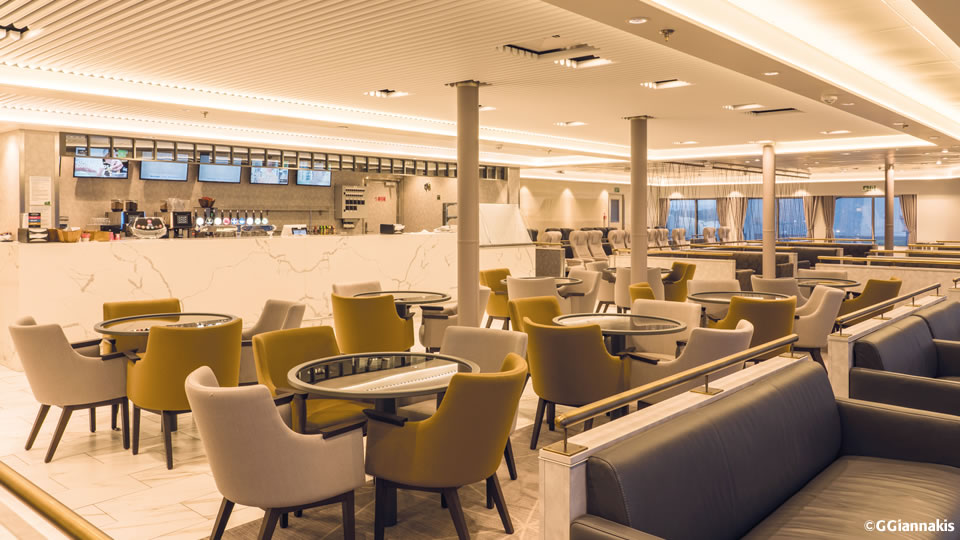
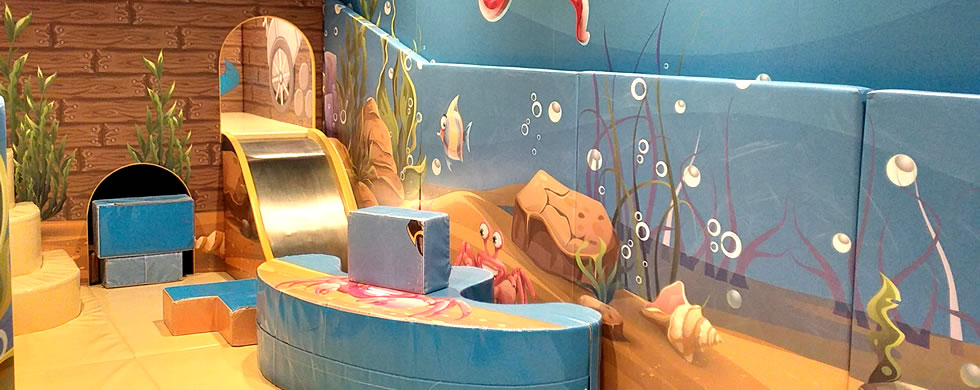
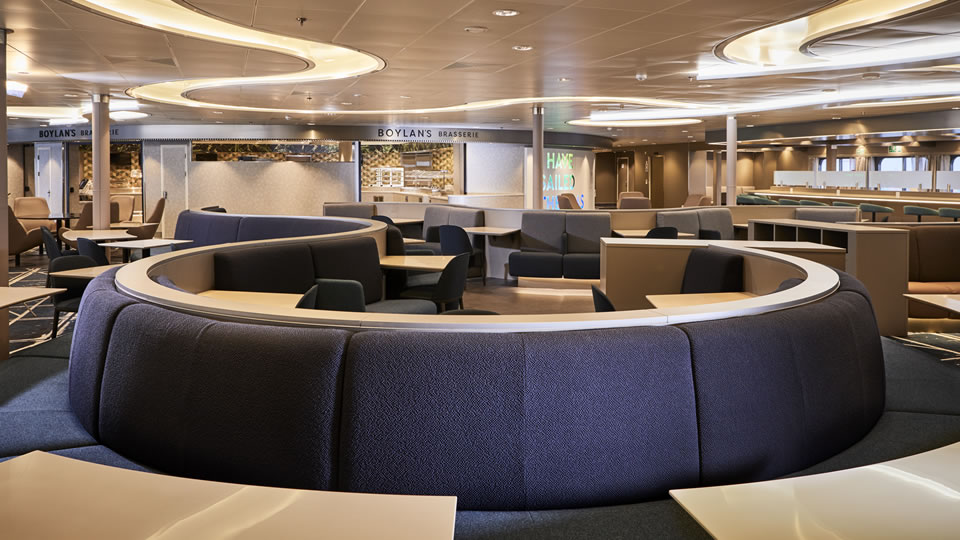
The W. B. Yeats page describes more than a seat-and-sailing proposition. Facilities listed include cabins, the Innisfree Club Class Lounge, the Maud Gonne Bar & Lounge, Boylan’s Brasserie, Café Lafayette, a cinema and a children’s room. On a longer sailing, those spaces may make the crossing feel more like a leg of the holiday than time to endure.
Cabin choice is a meaningful strength for families or anyone who values a private place to rest. The published descriptions include four-berth cabins with ensuite shower facilities, air conditioning and television; some Club options add access to the lounge. The ship information also lists suite options with additional inclusions, so compare the precise cabin description against your group rather than assuming every fare includes the same comfort. The W. B. Yeats cabin page lays out the distinctions in the published descriptions.
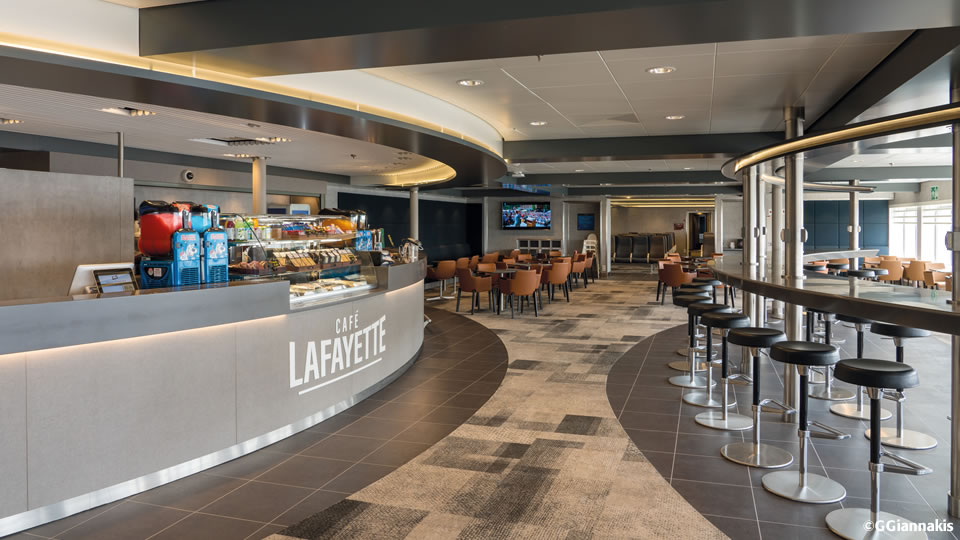
Dining variety is another practical plus. Irish Ferries names a mix of casual and table-service venues, but notes that selected bars and restaurants may close at certain times of year. That qualification matters: a venue list is not a guarantee that every choice operates on every sailing. Check what is running for your trip, especially if a particular meal setting is part of the appeal.
Families have a clear reason to look at the ship detail. The company lists a Salley Gardens children’s room, cinema spaces and an outdoor promenade deck. These are useful amenities to know about, although the page does not replace checking accessibility needs, opening times or the specific service scheduled for the sailing. W. B. Yeats facilities support a stronger onboard offer, but do not remove the need to plan around the timetable.
Do the linked holiday parks make the offer easier to use?
The Eurocamp Holiday Parks section links selected French parks with ferry travel. Its examples include Château Lez Eaux, La Vallée, Domaine de Drancourt, La Bien Assise, La Dune Blanche and Riva Bella. The range gives travellers a starting shortlist for a driving holiday, with settings and facilities that vary from park to park.
That is helpful when the goal is to combine transport and a family stay: the park directory presents named French destinations alongside the ferry offer. It gives a shortlist to investigate, rather than proving the booking flow combines every element. The site identifies options such as coastal locations, countryside settings and self-catering stays. Yet the bundle does not make every decision automatic: dates, accommodation type, party size and distance from the port still affect whether a particular park suits your itinerary.
- For a coast-led break: inspect the named location and its distance from the places you want to visit.
- For facilities: check the individual park page; pools, activities and services are not uniform across the range.
- For a ferry stay bundle: confirm exactly what is included and whether the sailing dates work with check-in and check-out.
The convenience is real, but bounded. A park and ferry appearing within one brand’s holiday range does not mean every choice is a single fixed package or that all extras are included. Read the specific stay details and terms before you commit. For example, the Eurocamp park listings are a useful way to compare named destinations, including individual park settings. The route page helps anchor the transport leg.
Where does Irish Ferries make the most sense?
Our read is that Irish Ferries is strongest for travellers who want the crossing to support a broader road trip. The ship facilities add comfort on the sailing, while the French park listings can make it easier to shortlist a base. The match is especially plausible for families carrying luggage, drivers with a flexible itinerary and people whose route naturally fits one of the ports.
The W. B. Yeats detail is a concrete advantage for a longer crossing: cabins, lounge access options and several food venues are described rather than left vague. And for someone planning a stay around Normandy or another listed destination, Eurocamp Holiday Parks puts named places in view. In each case, though, the value depends on matching the actual route and dates.
There are also clear cases where the fit is weaker. A traveller without a car may need to weigh onward transport carefully, particularly from the port to their accommodation. Someone who wants a city-centre hotel or a highly tailored itinerary may find the park-led holiday selection too narrow. And travellers departing from Britain should compare Dover-Calais on its own merits instead of assuming the Ireland-France route is relevant to them.
- Likely fit: a driver who wants a ferry crossing, practical onboard options and a self-catering or park stay.
- Possible fit: a family that values cabins and child-friendly spaces, subject to sailing availability and the specific onboard facilities listed.
- Less obvious fit: a car-free trip, a city-focused break or an itinerary that needs a very specific accommodation type.
What should readers verify before choosing?
Because this is a connected travel product, small details can change the overall fit. Begin with the route and travel dates, then check the booking terms and what the selected fare covers. Irish Ferries lists Economy, Flexi and Flexi+ fare terms in its help pages; conditions can differ, so review them before relying on a change or refund assumption.
Next, confirm the practical parts of the trip:
- Match the port to your starting point and the first overnight stop, if any.
- Check vehicle requirements, passenger details and the sailing’s check-in instructions.
- Review the selected cabin or seat type and any lounge access inclusions.
- Open the exact park or stay details to confirm facilities, availability and travel distance.
- Compare the total plan with alternatives using the same dates and comparable extras.
Cost is shaped by dates, vehicle size and extras, including passenger mix, cabin or seat choice, flexibility and accommodation type. Irish Ferries’ booking flow is the place to see the current total for a specific itinerary. We would avoid comparing a basic crossing with a package that includes more, or treating a facilities list as proof that an upgrade is included.
One limitation deserves a plain mention: the research here is based on Irish Ferries’ published pages, not a personal sailing. Operational details and included services can change, while some onboard venues are seasonal. Use the official ship information, park listings and route details as the final checks for your chosen dates. Check the holiday details separately if the stay is part of your plan.
Ready to match a crossing to your France plans?
We recommend Irish Ferries for travellers whose trip already suits its route network and who value having onboard facilities and selected holiday options visible in one place. The strongest evidence is specific: W. B. Yeats has a detailed cabin and amenity range, while Eurocamp Holiday Parks provides a real shortlist of French stays. Neither guarantees the right fit without checking dates and what is included.
For UK-based travellers, start with the route that matches your actual departure point, then compare the full itinerary, then compare the full itinerary and current availability. The limitation is that bundled convenience still leaves meaningful decisions about onward travel, accommodation and seasonal facilities. If those details line up, this is a credible option to consider; if not, keep comparing before settling on a plan.