







Ferry booking pages are very good at making a crossing sound simple. Pick a route, add a car, choose a cabin and head for the port. In practice, the details that decide whether a trip feels relaxed are tucked into fare conditions, sailing availability and the difference between a basic seat and a proper onboard base. I reviewed the public information for Irish Ferries UK, focusing on its fare products, ship facilities and the choices that matter once you are travelling with a family, a dog or a vehicle.
My short verdict is encouraging but specific: Irish Ferries is strongest when you use its flexibility intelligently. The Dublin to Cherbourg service is a particularly useful option for drivers, while the Irish Sea fleet gives you a range of comfort levels. The catch is that the cheapest Economy ticket is deliberately restrictive, and the price is always shaped by sailing date, vehicle and occupancy rather than a single shelf price. That is why I would compare the full booking total, not just the opening fare.
The operator connects Ireland with Britain and France and also sells Ferry and Rail combinations. Its booking flow covers cars, foot passengers, motorbikes and pets, with route information, sailing updates and travel documentation guidance in the same ecosystem. You can start by checking the Irish Ferries booking options, then compare the published fare terms before committing.
What does an Irish Ferries fare actually include?
Irish Ferries is not selling a hotel room at a fixed nightly rate. A fare is a travel product whose value comes from route, timing and the rights attached to the ticket. The public fare table currently separates Economy, Flexi and Flexi+, and that distinction is more useful than a vague promise of “flexibility”.
- Economy is the value choice, but cancellations are not refundable and changes can carry fees.
- Flexi is refundable under the route and timing rules, with no amendment fee before departure, although any fare difference can still apply.
- Flexi+ adds Club Class lounge access where available and is the comfort-led option for eligible routes and ships.
- For a motorist, a published amendment fee applies on Economy, while foot, cyclist and motorbike changes have a lower listed fee.
That makes the Economy Fare sensible for a firm itinerary, not automatically the best deal. The Flexi Fare is the more rational middle ground if work, weather or children could disrupt the plan. I would only pay for Flexi+ Fare when lounge access is genuinely useful, because a premium label does not remove every availability condition.
One important limitation is easy to miss: Flexi+ is not available on the Dublin to Cherbourg route, nor on ships where Club Class is not offered. Ireland to France cancellations also have their own travel-credit rules. This is where the brand’s online fare search needs a careful read. In my view, the policy is reasonably transparent once you find it, but it is not something I would skim on a busy phone screen.
Which Irish Ferries ship suits your journey?
The fleet is more varied than the phrase “car ferry” suggests. I would shortlist the ship according to how long you are onboard and what you need to do with that time. The right ship can make the same route feel like a break, while the wrong level of accommodation leaves you counting the minutes.
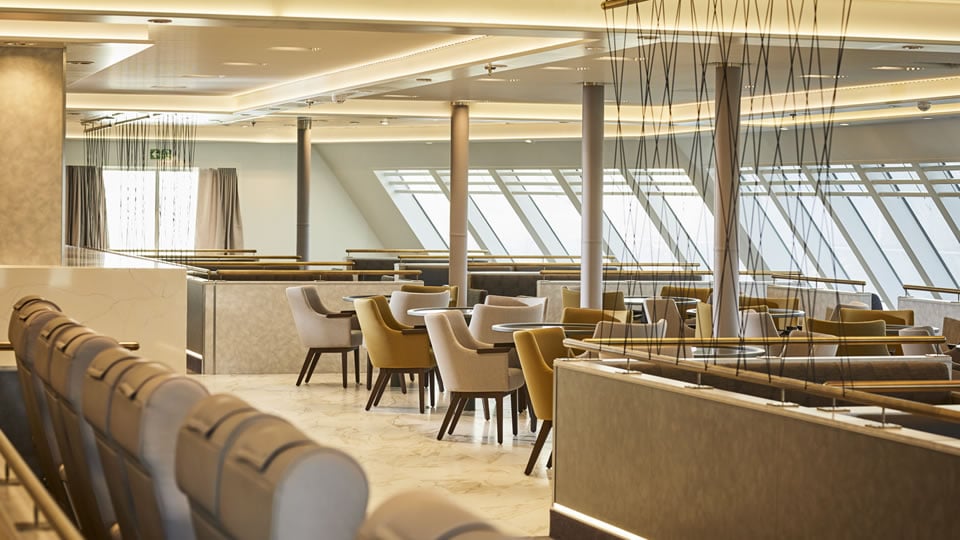
- W. B. Yeats is the comfort pick for a longer crossing, with cabins, Club Class, several food and drink spaces, a cinema, a kids’ room and outdoor deck areas.
- Oscar Wilde is built around capacity and breadth, with a choice of restaurants, a food market, Club Class, a Pet Deck and a children’s play area.
- Dublin Swift is the speed-led choice for the Dublin to Holyhead route, where a shorter crossing matters more than a cabin-style experience.
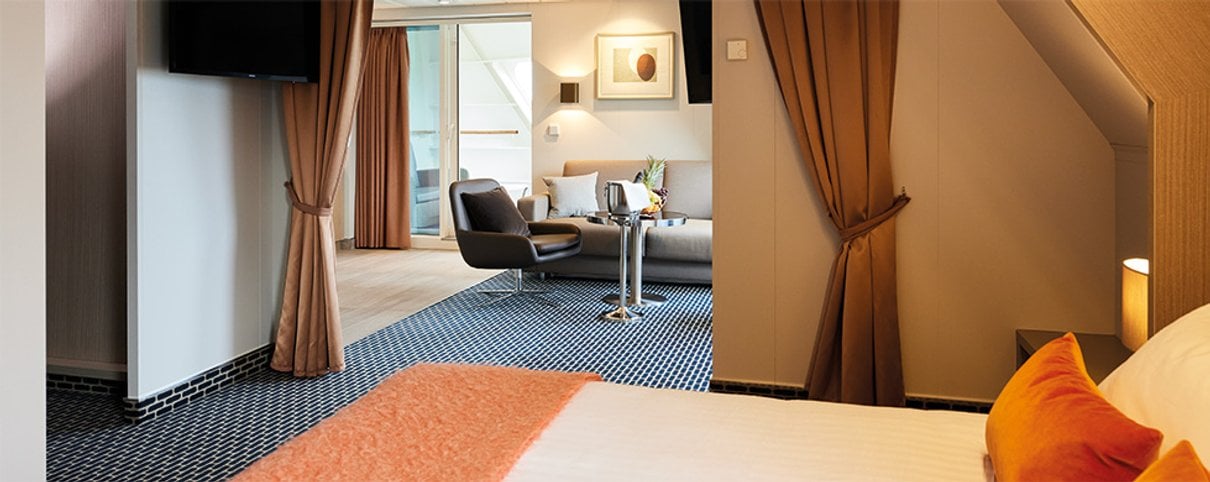
The W. B. Yeats looks particularly adaptable. Its cabin list includes a 4 Bed Inside Cabin, 4 Bed Window Cabin, family options, accessible accommodation and premium suites. A standard cabin includes air conditioning, an ensuite shower and, in the listed four-bed examples, a 32-inch TV. That is practical rather than glamorous, but it is a meaningful upgrade over trying to sleep in a reclining seat.
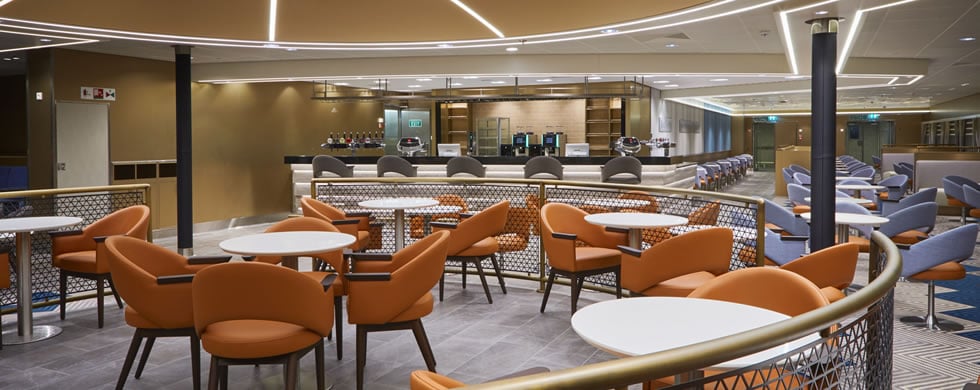
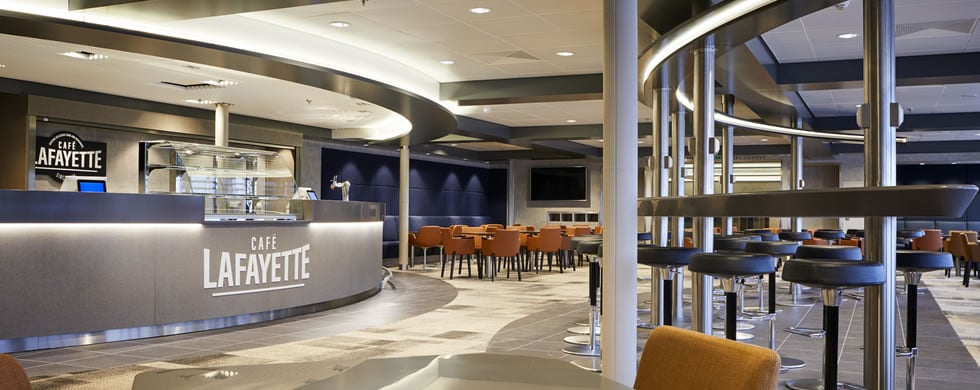
For families, the Salley Gardens Kids Room and cinema are more than decorative extras. They create separate places to reset, especially when a crossing lands across mealtime or bedtime. For adults, Café Lafayette, Boylan’s Brasserie, the Maud Gonne Bar and the Innisfree Club Class Lounge provide a choice between a quick coffee and a more settled pause.
There are trade-offs. Restaurants and bars can have seasonal opening patterns, Wi-Fi is subject to terms, and a cabin window does not guarantee an uninterrupted sea view. The W.B. Yeats also has a large menu of cabin types, so I would check the exact description rather than assuming “window” means panoramic. The ship is a strong reason to choose Irish Ferries, but it is not a reason to ignore the fare conditions.
How do Irish Ferries cabins and pet travel options help?
The cabin choice is where this service feels most configurable. A 4 Bed Inside Cabin is aimed at families or groups who want a private place to sleep without paying for a view. The published description includes two lower beds, two pull-down bunks, a convertible day sofa, ensuite facilities and satellite television. It is a functional overnight room, not a boutique suite, and that honesty is useful when budgeting.
A 4 Bed Window Cabin adds daylight and a sea-facing position, but the site notes that some window cabins have a limited view because of safety boats. That is the kind of small fact I want in a review because it prevents paying a premium for an expectation the room cannot deliver. At the top end, the Premium Suite and balcony suite make more sense for a special occasion or a long France crossing than for a short daytime hop.
- Choose an inside cabin when sleep and privacy are the priority.
- Choose a window cabin when daylight matters, but check whether the view is limited.
- Choose Club accommodation or Flexi+ when lounge access will be used for several hours.
- Ask about accessible accommodation early and confirm the exact bed and bathroom layout.
Pet owners also have a reason to look beyond the fare headline. Irish Ferries publishes pet travel information and offers pet-friendly cabin options on relevant sailings, while some ships provide a Pet Deck. I would still treat this as a planning category, not an afterthought: check the route, documentation and available cabin type before paying. The pet travel booking route is worth opening alongside the general Irish Ferries sailing search.
What should you know about Irish Ferries before booking?
My review is positive because the product range maps to recognisable travel needs. It is not positive because every fare is automatically good value. Here is the short version.
- Pros: car-friendly Ireland to France travel, a broad fleet, cabins for longer sailings, family facilities, pet options and a genuinely useful Flexi middle tier.
- Pros: W.B. Yeats gives passengers choices beyond a seat, with Club Class, dining, cinema and deck space.
- Cons: prices vary by date and booking details, so a headline offer is not a final trip cost.
- Cons: Economy is restrictive, Flexi+ has route and availability limits, and some facilities operate seasonally.
The evidence points to a simple buying rule: if the dates are immovable and the crossing is short, start with Economy and compare the total. If the booking is expensive, involves a car or sits months ahead, price Flexi as insurance against an unwanted change. If you will spend a night onboard, price a cabin before deciding that the cheapest seat is actually cheaper once comfort and sleep are included.
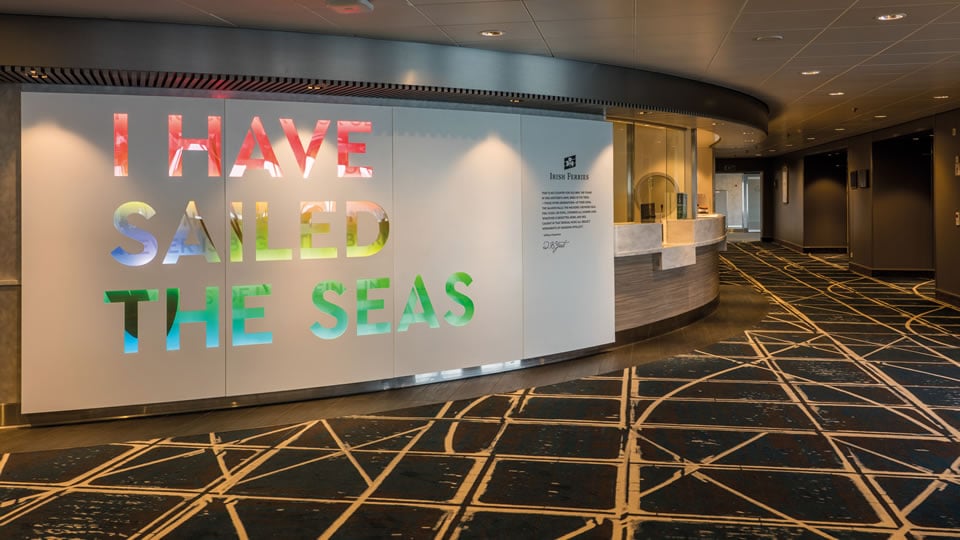
Ready to book the Irish Ferries crossing that fits your plans?
Irish Ferries UK earns a considered recommendation. It is a particularly good fit for travellers who want to take a car, need a direct Ireland to France option or would rather turn a long crossing into part of the holiday. The W.B. Yeats is the most persuasive ship in the research, not because it is luxurious in every corner, but because its cabins, food, family and lounge options let different passengers build a workable trip.
I would be more cautious if you are chasing only the lowest possible fare or booking a trip whose dates may move. Economy can be excellent value, but only when its restrictions match your confidence. Flexi is the smarter default for many uncertain plans, while Flexi+ earns its place when Club Class access will be used rather than merely admired in the comparison screen.
Before paying, I would run the official Irish Ferries fare search, compare the Economy, Flexi and Flexi+ rules, and then check the W.B. Yeats cabin details if the sailing is long enough to justify one. That three-minute check is the difference between buying a crossing and choosing the version of the crossing you will actually enjoy.
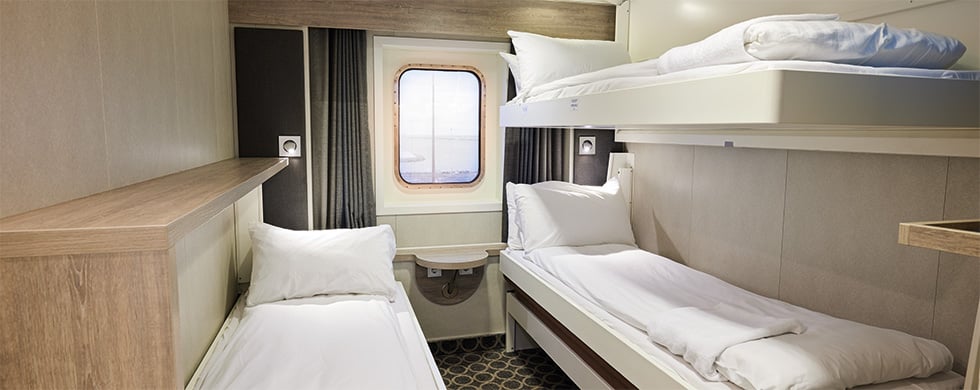
For my money, the final verdict is book it when the route solves a real problem: driving across the Irish Sea, taking a pet, carrying family luggage or making the sea leg part of a France holiday. Compare today’s availability and let the actual fare, flexibility and cabin choice decide.