









We examined the published THCA flower range, prices, tier system and testing information to see where Lost In Translation, Inc makes a credible case and where shoppers should slow down.
Buying hemp derived THCA flower online is less straightforward than choosing a flavor from a shelf. The listing needs to tell you what the strain is, how the product is tiered, whether the price is current and what evidence sits behind the lab language. That is the standard we used for this review of Lost In Translation, Inc, the company behind the Lit Farms storefront.
The published range is broad enough to show a pattern rather than one isolated product. There are fruit forward, citrus, dessert and classic OG profiles, with prices that vary by strain, weight and tier. We are assessing the information the brand publishes, not claiming hands on testing, medical benefit or a guaranteed personal effect.
This article contains affiliate links. If you buy through them, we may earn a commission at no extra cost to you.
At a glance
- Rainbow Candy THCA Flower is listed at $29.99 for Essential 28g (Smalls), with a fruit forward description and a currently available listing.
- Super Runtz is listed from $34.99 to $99.99 across 28g variants, although the visible options are marked unavailable.
- The site describes Supreme, Preferred and Essential as different bud selection tiers, while saying the same strain and lab testing can carry across tiers.
- The product pages publish cannabinoid and compliance information, but availability, jurisdiction rules and batch level COAs still need checking before checkout.
A range built around strain choice
The strongest part of the storefront is its attempt to make strain choice concrete. Rainbow Candy is described with candied fruit, bright citrus and an earthy finish, while the page lists 24.473% THCA and 0.2676% Delta 9 THC. The price point gives budget shoppers a real entry point, although the listing is for smalls rather than a premium bud selection. You can check the current Rainbow Candy price alongside the live weight and tier selector.
At the other end of the current examples, Super Runtz is presented as a hybrid derived from Super Lemon Cherry Gelato and Runtz. The published notes focus on cherry, citrus and creamy candy, with a listed 25.938% THCA and 0.2645% Delta 9 THC. The visible 28g prices run from $34.99 for an Essential smalls option to $99.99 for Supreme, but the variants we saw were unavailable. That distinction matters. A price on a product page is useful context, not a promise that the item can be ordered today. Review the current Super Runtz options before treating the number as actionable.
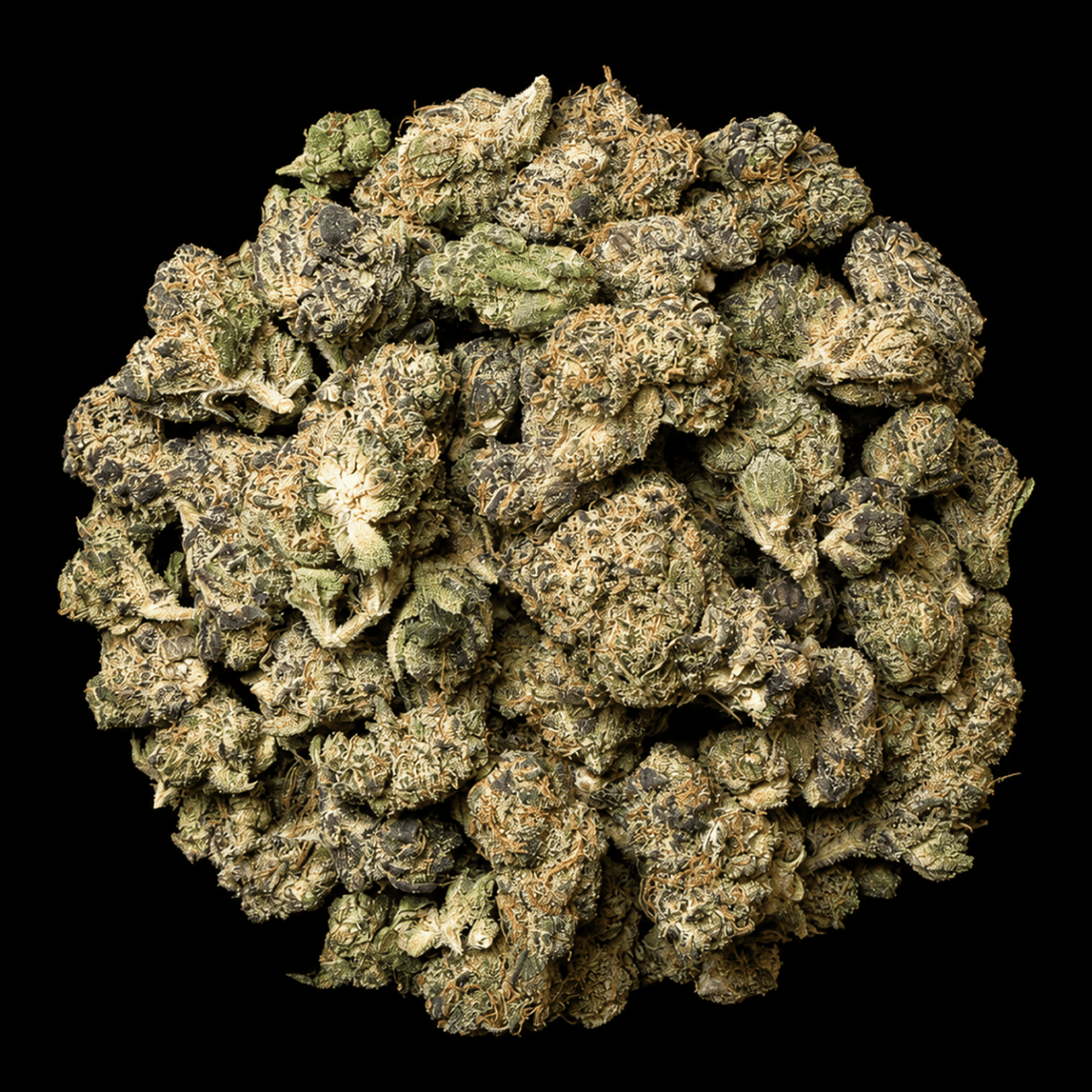
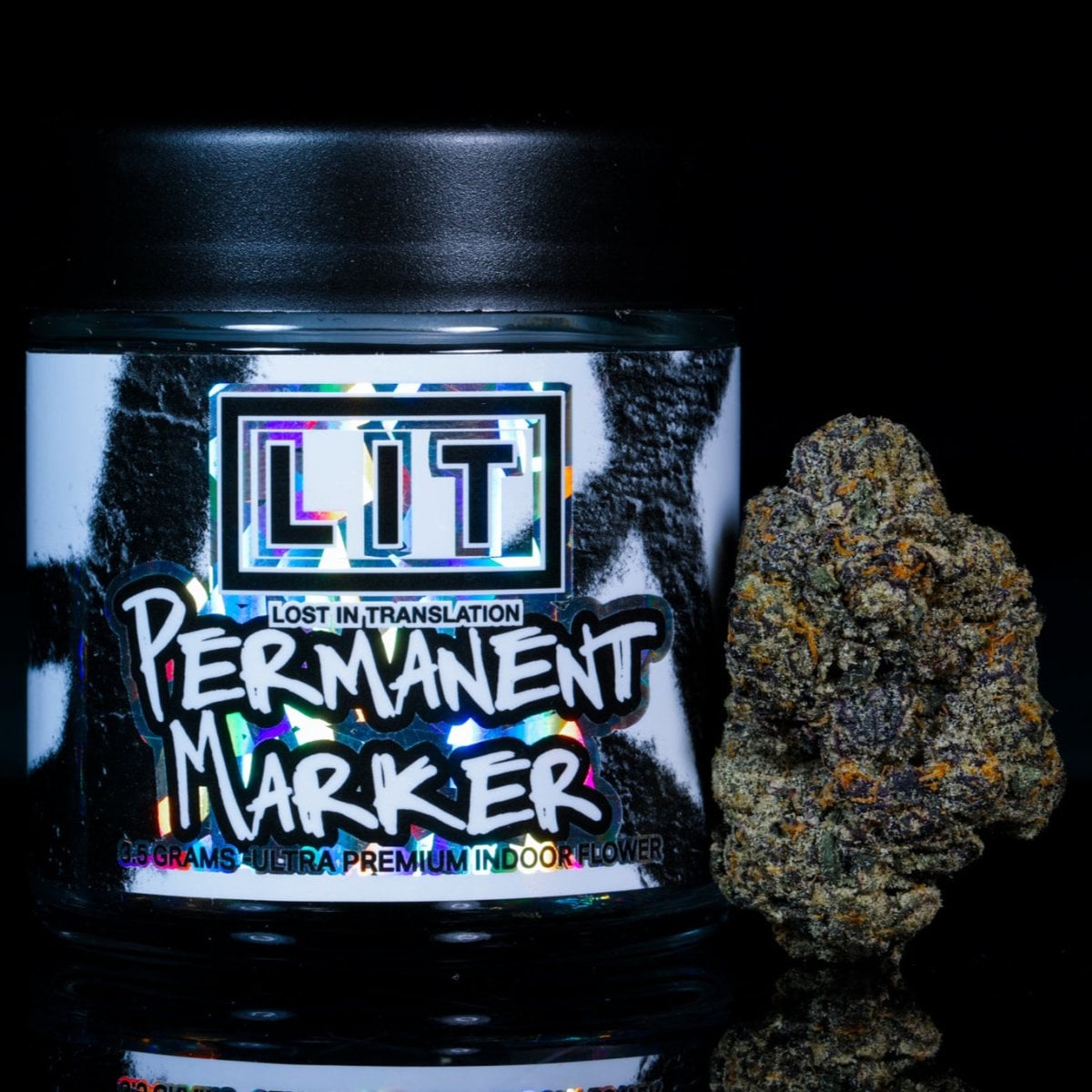
The rest of the range supports a similar editorial conclusion. Jealousy is described as a balanced hybrid with Sherbert and Gelato 41 lineage, while Permanent Marker is positioned as a heavier hybrid built from Biscotti, Sherb BX and Jealousy. These are specific product stories rather than generic “premium flower” copy. The limitation is that aroma and effect descriptions remain brand supplied language. Use the Jealousy product page and the Permanent Marker listing to check the current batch details instead of assuming every harvest will read the same.
For a sweet profile, compare the current Rainbow Candy details with the Super Runtz strain page. For a more classic direction, the Lemon Jack listing and the Red Velvet Gary listing show how different the catalogue language can be.
- Fruit and candy: Rainbow Candy and Super Runtz are the clearest fit for shoppers prioritising sweet, bright descriptions.
- Citrus and daytime language: Lemon Jack is described as sativa dominant, with lemon, pine and an uplifting profile.
- Dessert leaning: Jealousy and Red Velvet Gary are framed around richer, confectionery style aromas.
- Classic profile: SFV OG uses earthy pine, lemon and fuel notes rather than a candy led pitch.
What the three-tier system adds
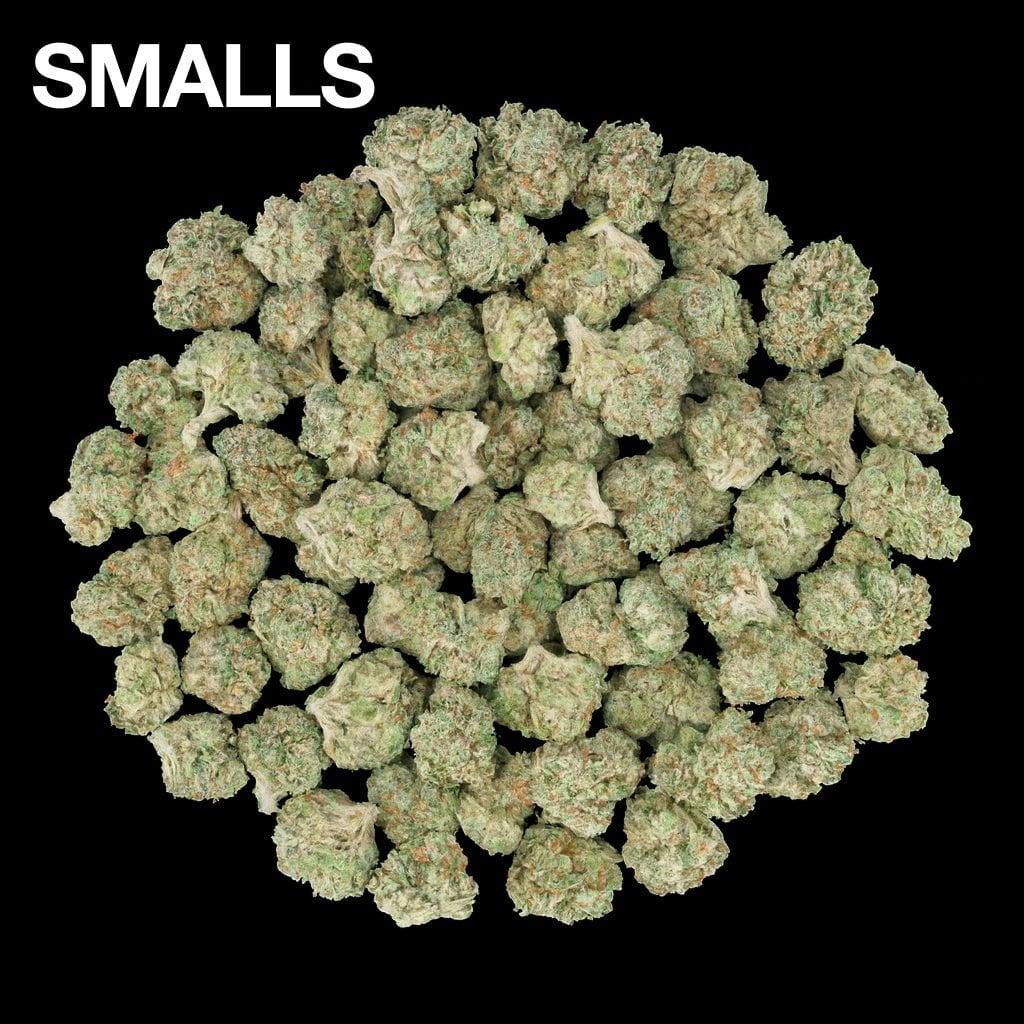
Lost In Translation, Inc says its three tiers separate bud selection rather than completely separate genetics. Supreme is described as hand selected top shelf flower with dense structure, more trichome coverage and stronger terpene expression. Preferred is the middle route, described as premium grade flower at a balanced price. Essential is the value tier, using the same strain and lab testing with smaller or more uniform buds.
That framework is helpful because it gives shoppers a reason for a price difference. It also creates a question the storefront should answer more consistently: what is the exact weight and current availability for each tier on each product? Super Runtz makes the price spread visible, but not every product page presents the same combination of options. We would treat tier language as a selection guide, then confirm the live variant, gram amount and total before paying.
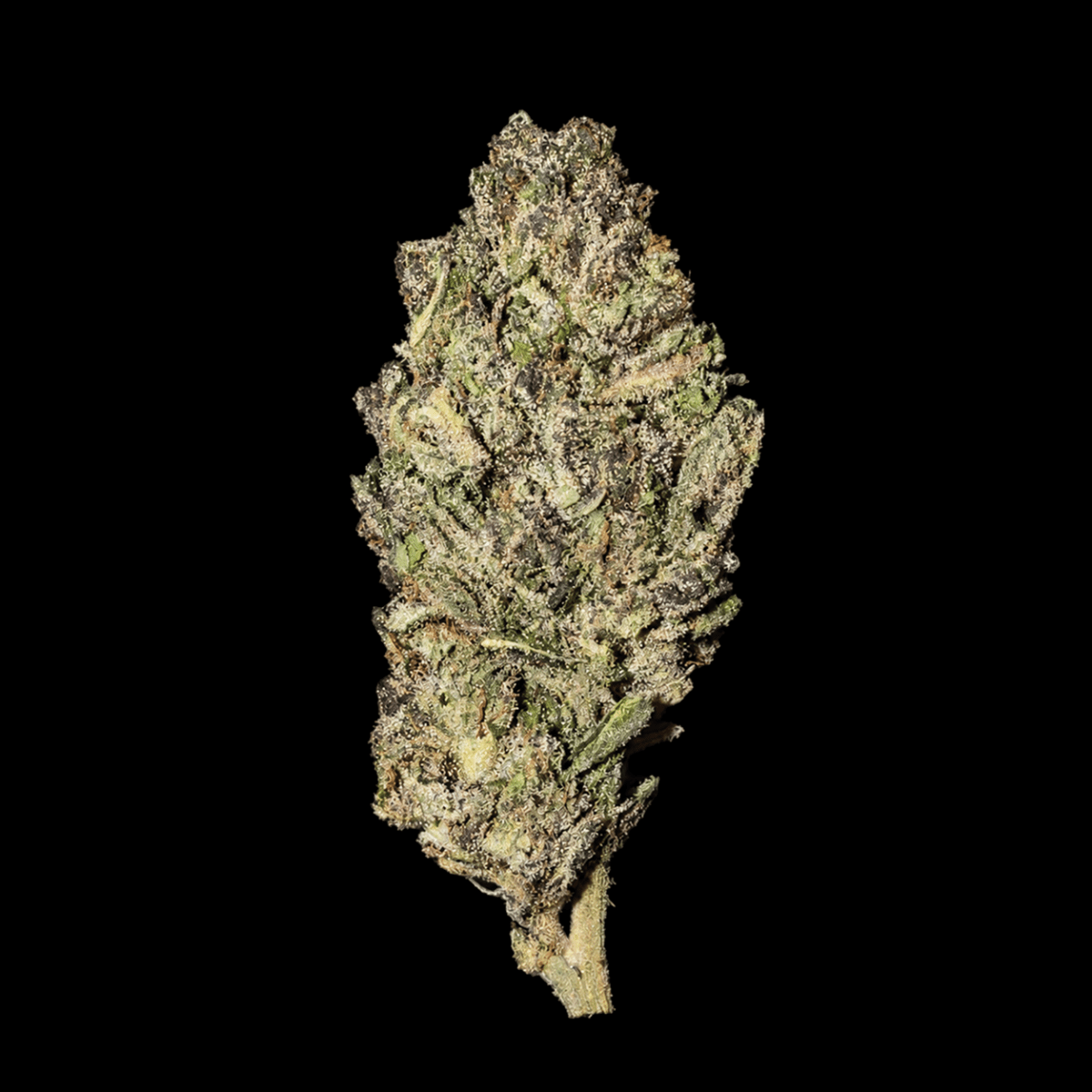
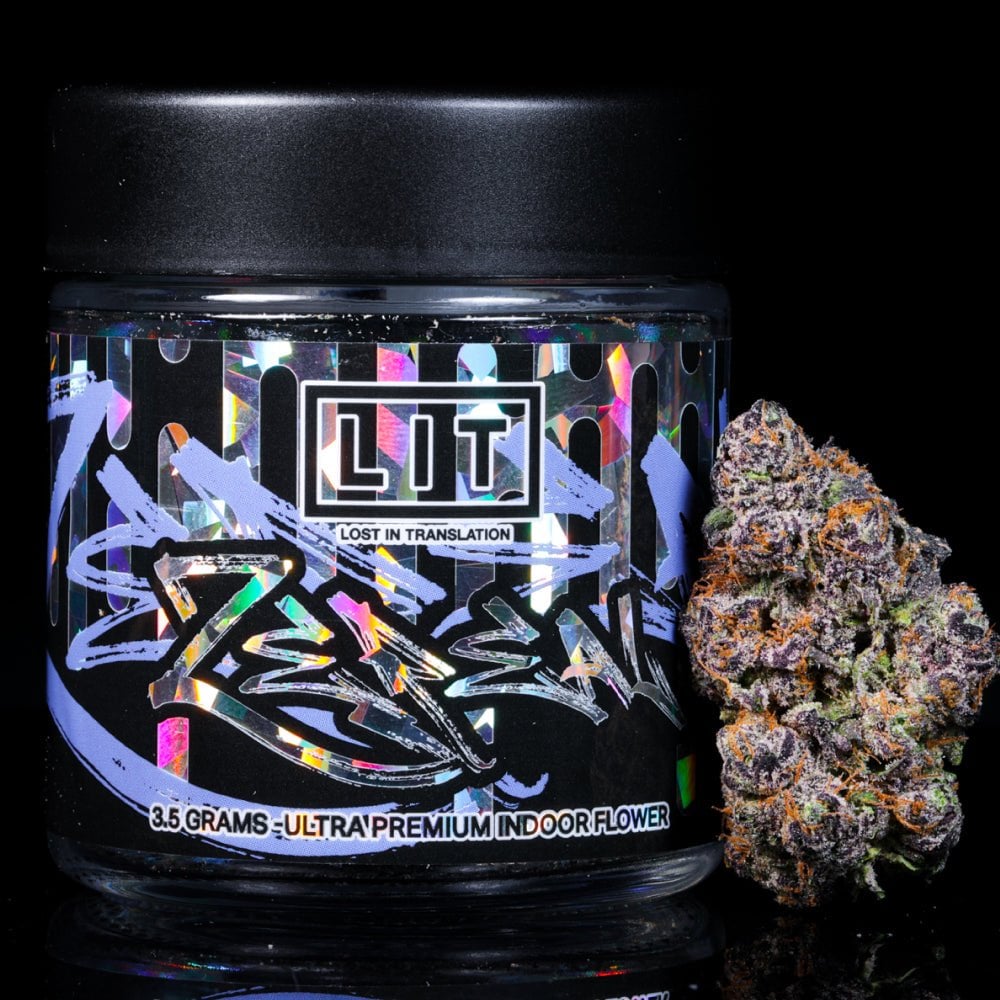
The tier idea is most convincing for readers who already know whether they care about smalls, visual bud structure or a stronger terpene presentation. It is less decisive for a first time shopper who mainly wants a clear, available product with a current certificate. In that situation, the Zereal product page is useful to inspect because it gives the range another flavour led option, while the Red Velvet Gary listing shows how the brand handles a dessert focused profile.
The Super Runtz price history shown on the page is a reminder to read each variant, while the Rainbow Candy option selector is the better place to confirm the current smalls format.
Testing and compliance: useful, but not the whole decision
The research evidence is strongest when the brand gets specific. Several pages say the flower is third party tested for cannabinoid content, terpenes, residual solvents, pesticides and heavy metals. The product copy also points readers toward a certificate of analysis for at least some strains. That is the right kind of information to look for, because a product page should connect a marketing description to a batch level document where possible.
The site also says its THCA flower is hemp derived and federally compliant under the 2018 Farm Bill, with less than 0.3% Delta 9 THC by dry weight at harvest, and that buyers must be 21 or older. Those are published brand statements, not universal permission to purchase. State and local treatment of THCA can differ, and the storefront itself says the products are not for sale where restricted. Check the delivery rules for your location and do not read “federally compliant” as a substitute for local legal advice.
Before choosing from the Jealousy details or the Permanent Marker details, look for the current certificate and batch information. The product page is the right starting point, but it is not a replacement for reading the underlying document.
- Confirm the product is legal to order in your state or territory.
- Open the current COA where one is provided and match it to the strain and batch.
- Check the selected weight, tier, stock status and final checkout total.
- Keep age, storage and the brand’s safety instructions in view before use.
There is a modest transparency gap here. The product pages make credible testing claims, but a shopper should not assume that a general statement applies identically to every current batch. The most useful improvement would be a consistent, easy to find COA link beside every live variant, with a clear harvest or batch date. That would make the research much easier to audit.
Who the range is for
This looks most suitable for an adult shopper who wants to compare strain character, tier and price in one storefront. The range offers enough variety to move from candy and citrus to dessert and OG profiles, and the tier system gives a more affordable way into some strains. If you already understand the difference between a standard flower listing and a smalls option, the pages provide useful decision points. The Lemon Jack page is a good example of a listing where the stated lineage and daytime leaning description help define the choice.
Readers can also use the Zereal page and the Red Velvet Gary page as a quick contrast between lighter tasting notes and a richer dessert style presentation.
It is less suitable for someone who needs guaranteed availability, medical guidance or a simple all in price before doing any further research. The visible catalogue includes unavailable variants, changing prices and product descriptions that use subjective effect language. That does not make the range poor, but it does mean the buyer carries some verification work. For a first look, compare the current Rainbow Candy listing with the Zereal listing, then read the product details rather than choosing only by the headline price.
- Best for variety: shoppers comparing fruit, citrus, dessert and OG style profiles.
- Best for price context: shoppers willing to compare smalls, Essential, Preferred and Supreme variants.
- Best for evidence led buying: shoppers prepared to read the COA and local restrictions before checkout.
- Not the easiest fit: anyone expecting every strain to be in stock or every effect description to work as a personal guarantee.
Pros, cons and the honest limitation
The case for the brand is fairly clear from the published material:
- Pros: concrete strain names, visible price examples, a tier system that explains bud selection, and repeated references to testing.
- Pros: the catalogue covers different aroma families, so the shopper is not forced into one style of product.
- Cons: stock status can make a listed price theoretical, especially for higher priced variants.
- Cons: effect and quality language is brand supplied and should not be treated as independent evidence.
The honest limitation is that this is a document review, not a laboratory assessment or hands on product test. We can judge whether the pages explain their offer, whether the prices and variants are visible, and whether the testing language points in the right direction. We cannot verify the taste, effects, consistency or value of a particular batch from the storefront alone. The current Red Velvet Gary price and the Super Runtz availability should therefore be checked at the moment you are ready to decide.
That same caution applies when comparing the Rainbow Candy price with the Lemon Jack price. The page may change after publication, so treat these figures as research context rather than a locked quotation.
Our verdict
Lost In Translation, Inc makes a credible range level case for shoppers who value strain choice, tier comparison and published testing information. Rainbow Candy gives the catalogue a concrete lower price point, Super Runtz shows how pricing can change across tiers, and the wider range gives readers enough profiles to make a preference based shortlist. Those are useful strengths, not promises that every product will suit every adult consumer.
Our reservation is transparency at the point of purchase. Availability changes, COA presentation is not perfectly uniform, and compliance language still needs to be checked against local rules. If you are comfortable doing that verification, the brand is worth a closer look. If you need a guaranteed in stock product, a fixed total or independent evidence of effects, the storefront does not answer those questions on its own.